
Pests
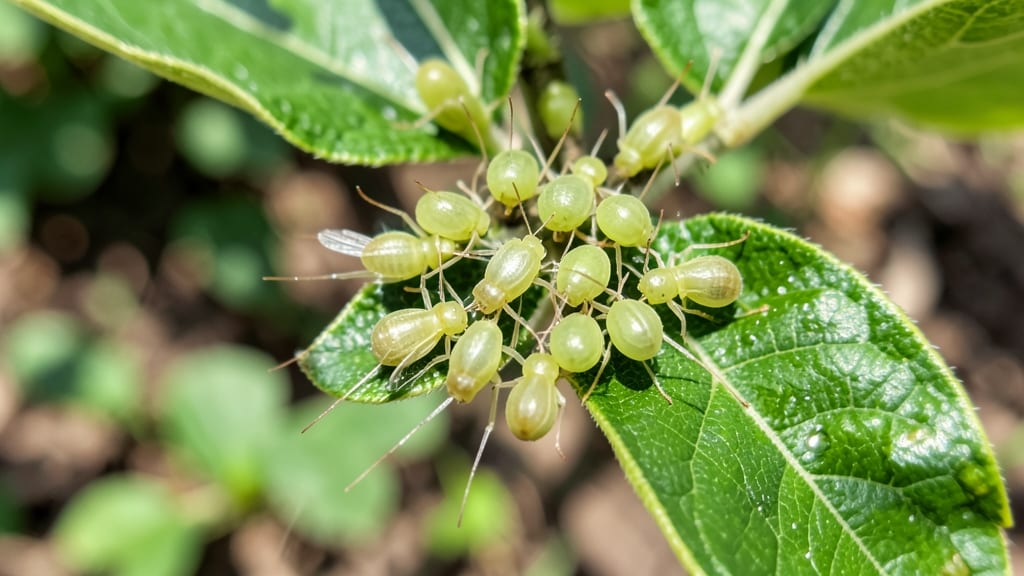
How to control aphids on the trees isn’t just about spraying—it’s about breaking their life cycle with a natural, powerful tool like neem oil. 🌿 I’ve watched these tiny pests vanish within days after using this method, and the best part? No harsh chemicals that harm your trees (or you). The key is timing and technique, not just slathering on oil.
Aphids thrive because most sprays only kill adults, leaving eggs untouched. Neem oil works differently—it disrupts their feeding, reproduction, and even their ability to find your tree. You’ll need organic neem oil, water, and a sprayer, plus a little patience to see the full effect over 2-3 applications.
The first spray stops the current infestation, while the second and third break their breeding cycle.
By the third treatment, you’ll notice new leaves emerging clean and aphid-free, with no sticky residue from their honeydew. The trees look healthier almost immediately, and the method works on fruit trees, ornamentals, and even houseplants. No more wilting leaves or sooty mold from aphid droppings—just strong, thriving growth.
This approach works year-round, but spring and fall are the best times to apply it preventatively. The oil’s natural compounds stay active even after rain, making it far more reliable than soap sprays or commercial pesticides. Ready to reclaim your trees without the guesswork?
Root Causes Of Tree Aphids
Aphids don’t just randomly attack your trees—they’re drawn by a mix of environmental, biological, and even human factors. Understanding why these tiny sap-suckers show up is the first step to stopping them in their tracks.
Below, we break down the science behind their infestations, so you can target the real reasons they’re feasting on your foliage.
Aphids thrive where trees are already struggling. When trees experience stress—whether from drought, poor soil, or overcrowding—they release phloem sap, a sugary liquid aphids love. Here’s why it happens:
- Nutrient Deficiency: Trees lacking nitrogen, phosphorus, or potassium produce weaker sap, making them easier targets. Think of it like a buffet sign for aphids.
- Root Damage: Compacted soil or root rot disrupts nutrient uptake, forcing trees to divert energy to survival instead of defense. Aphids detect this chemical distress signal.
- Overwatering or Underwatering: Both extremes stress trees. Too much water rots roots; too little causes wilting. Either way, aphids exploit the tree’s weakened state.
Pro Tip: 💡 Conduct a simple soil test to check pH and nutrient levels. Amending soil with compost or organic fertilizer can reduce aphid attraction by strengthening tree resilience.
Aphids aren’t lone wolves—they’re part of a symbiotic ecosystem that includes ants and even other insects. Here’s how they team up:
- Honeydew Feasts: Aphids excrete honeydew, a sticky, sugary byproduct of sap-sucking. This attracts ants, which protect aphids in exchange for food. It’s like a fast-food joint for insects!
- Ant “Farming”: Some ant species herd aphids, moving them to new branches like cattle. This explains why infestations spread rapidly.
- Secondary Pests: Honeydew also attracts sooty mold (a black fungal growth) and wasps, creating a cascade of problems beyond just aphids.
Key Insight: 🔥 If you see ants marching up your tree, they’re likely farming aphids. Disrupting this relationship (e.g., with ant barriers) can break the aphid life cycle.
Aphids are cold-sensitive, which means they explode in numbers when conditions are perfect for them. Here’s how climate plays a role:
| Factor | Why It Helps Aphids |
|---|---|
| 🌞 Warm Springs | Mild winters allow aphid eggs to survive, and warm springs trigger rapid reproduction. Some species can double their population in just 7 days! |
| 🌧️ Light Rain | Moisture helps aphids stay hydrated and spreads their honeydew, attracting more pests. Heavy rain, however, can wash them away. |
| 🍃 Lush New Growth | Young, tender leaves are aphid all-you-can-eat buffets. Trees produce new growth in warm, stable conditions—aphids’ favorite time. |
Actionable Tip: ⏰ Monitor trees in early spring and after warm rains. These are peak aphid arrival windows.
Your yard might be unintentionally inviting aphids with common gardening habits. Here’s how:
- Debris & Weeds: Piles of leaves, grass clippings, or unkempt weeds provide hiding spots for aphids to overwinter and rebound.
- Over-Fertilizing: Too much nitrogen (especially synthetic fertilizers) promotes soft, aphid-loved growth while weakening natural defenses.
- Monoculture Planting: Planting the same species in rows (e.g., fruit trees) creates a aphid buffet. Diversity confuses them.
Quick Fix: 🌡️ Clear garden debris regularly and mulch with wood chips or straw (not fresh grass clippings) to deter aphids.
Now that you know why aphids target your trees, you’re ready to disrupt their life cycle with targeted solutions—starting with a neem oil barrier!
Natural Ways to Stop Aphids Fast
Aphids may seem like a tiny but relentless enemy, but with the right approach, you can break their cycle and protect your trees—without harsh chemicals. Below are targeted solutions based on the most common causes of aphid infestations, from overcrowded trees to weak immune systems.
Each fix is practical, eco-friendly, and easy to implement, whether you’re dealing with a sudden outbreak or want to prevent future attacks.
Aphids love weak trees, so pruning and feeding can disrupt their favorite buffet.
🔪 Prune for Better Airflow & Light
- Step 1: Identify overgrown branches blocking sunlight or airflow (aphids thrive in shaded, damp spots).
- Step 2: Use clean, sharp shears to trim back ¼ of the tree’s canopy, focusing on dense areas.
- Step 3: Remove heavily infested branches (bag and dispose of them far from your yard).
- Pro Tip: 💡 Prune in early spring before aphids peak, and sterilize tools with rubbing alcohol to avoid spreading pests.
💪 Boost Tree Health with Organic Fertilizer
Aphids target trees with low nutrient reserves.
Feed your trees with: - Compost tea (homemade or store-bought) – rich in beneficial microbes. - Fish emulsion or seaweed extract – provides quick potassium and phosphorus for stress recovery. - Slow-release organic granules (like alfalfa meal) for long-term strength.
🌡️ Prevention: Mulch with wood chips or straw (3–4 inches deep) to retain moisture and regulate soil temp—aphids hate stable, healthy roots!
If aphids hit hard, combine mechanical removal with natural repellents for maximum impact.
👨🍳 Blast Them Off with Water (Gentle Pressure)
- Method: Use a strong hose spray (60 PSI or less) to dislodge aphids from leaves and stems.
- Best Time: Early morning or late afternoon (avoid midday heat stressing the tree).
- Frequency: Repeat every 3–4 days until the infestation clears.
🍳 Neem Oil Barrier (The Game-Changer)
Neem oil disrupts aphid feeding and reproduction while being safe for trees. Here’s how to use it: 1. Mix: 1 tbsp neem oil + 1 tsp mild soap (like Castile) per quart of water.
- Spray: Coat both sides of leaves and stems thoroughly (aphids hide on undersides!).
- Reapply: Every 7–10 days until aphids disappear (or until new growth appears).
- Bonus: Add 1 tsp garlic oil to repel aphids even faster.
✨ Pro Tip: For severe infestations, mix neem oil with horticultural oil (1:1 ratio) for extra suffocation power.
Nature’s cleanup crew eats aphids for breakfast—help them thrive!
🐞 Ladybugs & Lacewings: The Aphid Hunters
- How to Attract:
- Plant dill, fennel, or yarrow near your trees (these flowers lure ladybugs).
- Install a small water dish with pebbles (lacewings need hydration).
- Release: Buy live ladybugs or lacewing larvae from garden centers (release at dusk).
🕷️ Birds & Spiders: Free Pest Control
- Hang nest boxes for birds (they snack on aphids).
- Avoid pesticides (even natural ones) that kill spiders—orb-weaver spiders are aphid assassins!
🎯 Prevention: Plant companion plants like marigolds, basil, or garlic around trees—their scents confuse aphids.
Prevent aphids from moving in with smart landscaping and maintenance.
🌱 Choose Aphid-Resistant Tree Varieties
Some trees are naturally tougher—opt for:
- Oaks, maples, or birches (moderately resistant).
- Avoid tender species like roses or fruit trees (aphid magnets!).
🧹 Clean Up Debris & Weeds
- Aphids hibernate in leaf litter and weeds—remove fallen leaves, grass clippings, and weeds near trees.
- Solarize soil (cover with clear plastic for 4–6 weeks in summer) to kill overwintering eggs.
🌿 Homemade Aphid Sprays (DIY Power)
Mix these in a spray bottle and apply every 5–7 days:
- Soap spray: 1 tbsp potassium soap + 1 quart water (breaks aphid armor).
- Chili pepper spray: 2 tbsp hot pepper flakes + 1 quart water (aphids hate capsaicin).
- Citrus spray: 1 tbsp orange or lemon oil + 1 tsp soap per quart water (confuses their scent).
Final Reminder: 🔥 Act fast—aphids multiply exponentially. Start with one or two methods (like pruning + neem oil), then layer in predators and prevention. With consistency, your trees will stay aphid-free and flourish!
Frequently asked questions about tree aphids
How do I know if my tree has aphids?
Look for tiny green, black, or white insects clustered on new leaves or stems. You’ll also spot sticky honeydew on leaves or ground below, which can turn black from sooty mold. Check undersides of leaves first—aphids love hiding there.
Will neem oil harm beneficial insects like bees?
When used correctly, neem oil is safe for bees if applied after sunset or on cloudy days. Avoid spraying directly on flowers where bees forage. The oil’s active compounds break down quickly, so it won’t linger as a threat once dry.
How often should I spray my trees for aphids?
For active infestations, spray every 7-10 days until aphids disappear. For prevention, 2-3 applications per season (spring and fall) works best. Timing matters—target new growth periods when aphids multiply fastest.
Can I use dish soap instead of neem oil?
Yes, but with caution! Mix 1 tablespoon mild dish soap with 1 quart water and spray directly on aphids. It works by suffocating them, but avoid heavy-duty soaps that can damage leaves. Test on a small area first—some trees are more sensitive.
Why do aphids keep coming back after treatment?
New eggs may hatch after treatment, or nearby plants could be reinfesting your tree. Check for ant trails (they protect aphids) and remove debris where eggs hide. Apply neem oil 3 times with 7-day intervals to break their life cycle completely.