
How To
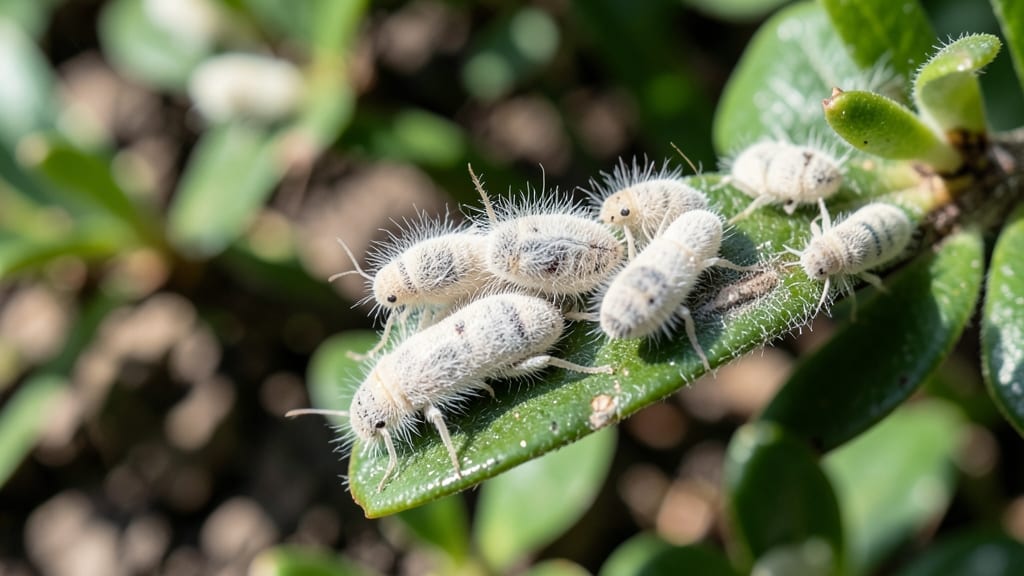
How to control mealybugs on outdoor shrubs—before they turn your shrubs into sticky, white messes faster than you can say "pest problem." 🌿 I’ve battled these fluffy invaders for years, and this boil-and-pour barrier method stops them dead in their tracks—no harsh chemicals needed. The secret? A hot, soapy solution that smothers them on contact while protecting your plants. This isn’t just another spray-and-pray fix. You’ll mix boiling water with dish soap (yes, the kind you use for dishes) and pour it directly onto infested areas. The heat kills adults instantly, while the soap cuts through their waxy coating. Within 24 hours, you’ll see a dramatic drop in numbers—and your shrubs will start looking healthy again. The best part? This method works on roses, hydrangeas, and even citrus trees without harming beneficial insects. You’ll also learn how to spot early signs (those telltale white cottony clumps) and prevent future outbreaks with simple pruning and companion planting tricks. Ready to reclaim your shrubs? Let’s tackle this infestation head-on—naturally and fast.
Root Causes of Mealybug Outbreaks
Mealybugs don’t just appear out of nowhere—they thrive when specific conditions align. Understanding these triggers is the first step to preventing future infestations on your outdoor shrubs. Below, we break down the why behind their unwelcome visits, so you can address the problem at its source.
Mealybugs target plants that are already struggling, much like a burglar casing a vulnerable home. Here’s why your shrubs might be sending out an "all-you-can-eat" invitation:
- Stress from Overwatering or Underwatering Mealybugs adore moisture-laden environments, but they’re also drawn to plants that are chronically stressed.
Overwatering creates a damp, sticky surface (their favorite buffet), while underwatering weakens a plant’s natural defenses, making it easier for pests to latch on. Think of it like a plant with a compromised immune system—mealybugs exploit the opportunity.
- Poor Soil Nutrition Shrubs deficient in nitrogen, phosphorus, or potassium (the NPK trio) produce weaker sap—a mealybug’s dream.
Healthy plants with balanced soil have stronger cell walls and more bitter-tasting sap, which deters pests. Run a simple soil test to check nutrient levels; amending with compost or slow-release fertilizer can restore resilience.
- Physical Damage from Pruning or Weather Open wounds from pruning, hail, or wind expose a plant’s vulnerable inner tissues. Mealybugs detect these wounds and flock to them like vultures.
Even minor damage can create entry points for infestations. Always sterilize pruning tools and avoid heavy pruning during peak mealybug season (spring to fall).
Mealybugs are opportunistic pests, and they’re picky about their environment. If your shrubs provide the perfect climate, they’ll move in—and fast.
- Warm, Humid Microclimates Mealybugs thrive in temperatures between 70–85°F (21–29°C) with high humidity. Shady, dense shrubs (especially those with thick foliage like boxwoods or azaleas) trap moisture, creating a greenhouse effect that accelerates their lifecycle. Thin out overgrown branches to improve airflow and reduce humidity pockets.
- Sap-Rich or Soft-Leaved Plants Mealybugs prefer plants with high sugar content in their sap, such as:
- Citrus trees
- Hibiscus
- Oleander
- Roses
- Ivy If your shrubs are already struggling with root rot, fungal infections, or viral diseases, their sap becomes even more attractive to mealybugs. Avoid over-fertilizing with high-nitrogen products, as this can make sap sweeter and more appealing.
- Lack of Natural Predators In a balanced ecosystem, ladybugs, lacewings, parasitic wasps, and birds keep mealybug populations in check.
But if your garden lacks biodiversity—perhaps due to pesticide use, habitat loss, or monoculture landscaping—mealybugs can explode unchecked. Encourage pollinators and beneficial insects by planting native flowers and avoiding broad-spectrum chemicals.
Sometimes, we’re the reason mealybugs show up. Unintentional actions can introduce or spread these pests faster than you’d think.
- Contaminated Tools or Clothing Mealybugs (and their eggs) hitchhike on pruners, gloves, and even gardening boots.
If you’ve worked in an infested area—like a nursery or another garden—and then move to your shrubs, you might be unwittingly transporting them. Always disinfect tools with rubbing alcohol between uses, and avoid sharing equipment.
- Infested Plant Transplants Buying or propagating plants from uninspected sources (e.g., online sales, flea markets, or unchecked nurseries) is a gamble.
Mealybugs often hide in new growth, undersides of leaves, or root balls. Quarantine new plants for 2–4 weeks and inspect them thoroughly before adding them to your garden.
- Wind or Waterborne Spread Mealybugs don’t fly, but their cottony eggs and crawlers can be blown by wind or washed by rain into nearby shrubs.
If an infestation is already established in your yard, preventive measures (like the boil-and-pour barrier method) can stop it from spreading via these natural vectors.
Pro Tip: 🔍 Early detection is key! Mealybugs start small—check the undersides of leaves, leaf axils, and new growth regularly. The sooner you spot them, the easier they are to control before they become a full-blown crisis.
Quick Fixes for Mealybug Mayhem
Mealybugs may be tiny, but their damage can feel like a full-blown garden crisis. The good news? With the right approach, you can smother, drown, or outsmart these pests before they take over your outdoor shrubs.
Below, we’ve mapped out practical solutions based on the root cause of your infestation—whether it’s weak plants, poor hygiene, or a lack of natural predators. Each fix is designed to be easy, effective, and chemical-free where possible.
Weak, waterlogged, or nutrient-starved shrubs are mealybug magnets. Fix the environment, and you’ll starve out the infestation.
🌱 Step 1: Prune for Better Airflow
Mealybugs thrive in tight, damp spaces where leaves touch. Open up your shrubs to let sunlight and air circulate.
- How to do it: Use clean, sharp pruners (wipe with rubbing alcohol between cuts) to trim back dense growth.
- Pro tip: 💡 Remove at least 30% of the foliage if the shrub is severely infested.
Focus on inner branches where bugs hide.
💦 Step 2: Adjust Watering Habits
Overwatering creates the perfect mealybug paradise.
These pests love moisture, so dry them out while keeping roots happy. - How to do it: - Water deeply but less frequently (1–2 times per week, depending on climate). - Avoid wetting leaves—use a soaker hose or drip irrigation to target roots. - Morning watering is best—leaves dry faster, reducing humidity. - Pro tip: 🌡️ If your soil stays soggy for days, amend it with compost to improve drainage.
🍽️ Step 3: Feed for Resilience
Healthy shrubs fight back against pests. Give them a nutrient boost to bounce back faster.
- How to do it:
- Fertilize lightly with a balanced, slow-release fertilizer (10-10-10 or organic options like fish emulsion).
- Avoid over-fertilizing—this can attract more pests.
Follow package instructions. - Add mulch (2–3 inches) around the base to retain moisture and regulate soil temp.
If your shrubs are only lightly infested, a hands-on approach can work wonders—no chemicals needed.
👨🍳 Step 1: Wipe Them Out (Literally) Mealybugs hate physical removal.
Grab a soft cloth, sponge, or cotton swabs and scrub them off. - How to do it: - Dip the cloth/swab in soapy water (1 tsp mild dish soap per quart of water). - Gently wipe every leaf, stem, and crevice—mealybugs hide in buds, under leaves, and in cracks. - Dispose of the cloth in a sealed bag (don’t compost it—bugs can escape!). - Pro tip: ✨ Work in the shade—soapy water dries faster in sunlight, reducing plant stress.
🔪 Step 2: Drown the Eggs & Nymphs
Mealybugs lay hundreds of eggs, and they’re tougher to kill than adults. Boil-and-pour is your secret weapon. - How to do it: 1. Boil 1 gallon of water for 5 minutes.
- Let it cool for 10 minutes (so it doesn’t shock the plant).
- Pour it directly over infested areas, focusing on cracks, buds, and undersides of leaves.
- Repeat every 3–5 days for 2 weeks to smother eggs and nymphs. - Pro tip: 💡 Add 1 tbsp of neem oil to the cooled water for extra pest-repelling power.
Mealybugs have natural enemies—if you encourage them, they’ll do the dirty work for you.
🕷️ Step 1: Invite Ladybugs & Lacewings These beneficial insects love mealybugs.
Buy them online or attract them naturally. - How to do it: - Plant companion plants like dill, fennel, or yarrow to lure predators. - Release ladybugs or lacewing larvae (available at garden centers). Best time: Early morning or late evening (they avoid heat). - Avoid pesticides—they’ll kill your helpers too!
🐛 Step 2: Introduce Parasitic Wasps
Tiny but terrifyingly effective, these wasps lay eggs inside mealybugs, killing them from the inside out.
- How to do it:
- Order Cryptolaemus montrouzieri (a type of mealybug-eating beetle) or Anagyrus pseudococci (a parasitic wasp).
- Release them in the evening when they’re most active.
- Repeat every 2–3 weeks for severe infestations.
Once you’ve kicked them out, lock the door with these long-term strategies.
🌿 Step 1: Quarantine New Plants
Mealybugs hitchhike on nursery plants. Inspect before you bring them home.
- How to do it:
- Rinse new plants in soapy water before planting.
- Keep them separate for 2–4 weeks while monitoring for pests.
- Check undersides of leaves, stems, and soil before adding to your garden.
🧼 Step 2: Clean Up Debris
Mealybugs hibernate in fallen leaves, mulch, and plant waste.
- How to do it:
- Remove all plant debris from around shrubs.
- Sterilize pruners with rubbing alcohol after each use.
- Replace mulch if it’s old or infested.
🌡️ Step 3: Maintain Balance
A healthy garden ecosystem = fewer pests.
- How to do it:
- Diversify plants—mealybugs target weak or stressed shrubs less often.
- Rotate crops if you’re growing edibles nearby.
- Encourage biodiversity—birds, bees, and predatory insects all help!
If nothing works after 4–6 weeks, it’s time for targeted chemical control (use only as a last resort).
| Option | How to Use | Safety Notes |
|---|---|---|
| Neem Oil Spray | Mix 1 tbsp neem oil + 1 tsp soap in 1 quart water. Spray every 5–7 days. | Non-toxic to plants/pets if used correctly. |
| Insecticidal Soap | Spray directly on bugs (avoid hot sun). Repeat every 3–5 days. | Safe for most plants, but test on a small area first. |
| Horticultural Oil | Apply when temps are below 85°F. Smothers bugs on contact. | Avoid if plants are stressed (can cause leaf burn). |
Pro tip: 🎯 Always spray in the evening—UV rays break down oils, making them less effective.
Final Thought: Mealybugs are annoying but beatable—combine manual removal, natural predators, and plant care, and you’ll outsmart them in no time. 🚀 Start with one method, monitor progress, and scale up if needed. Your shrubs will thank you!
Frequently asked questions
How do I know if my shrubs have mealybugs?
Look for white, cottony clumps on leaves, stems, or buds—these are mealybugs! They often hide in leaf axils or undersides of leaves. You might also see sticky residue (honeydew) on leaves below infested areas, which can attract sooty mold.
Can I use vinegar to kill mealybugs?
Yes, but it’s not the most effective method. Mix 1 cup vinegar + 1 gallon water + 1 tsp soap and spray directly on bugs. However, vinegar can harm plants if overused—test on a small area first. For better results, try the boil-and-pour method instead.
How often should I repeat the boil-and-pour treatment?
Repeat every 3–5 days for 2 weeks to kill new hatchlings. The heat and soap disrupt their life cycle. After that, monitor your shrubs and treat again if you spot new infestations, especially during warm, humid weather.
Will mealybugs spread to other plants in my garden?
They hitchhike on wind, water, or tools. Isolate infested shrubs and clean pruners with rubbing alcohol. Remove fallen leaves and debris where eggs may hide. Quarantine new plants for 2–4 weeks before adding them to your garden.
What if my shrubs are already severely damaged?
Don’t give up! Prune away heavily infested branches and focus on reviving healthy growth. Use neem oil or insecticidal soap for severe cases, but avoid over-fertilizing—stressed plants attract more pests. Combine treatments with natural predators for long-term control.