
Shrubs
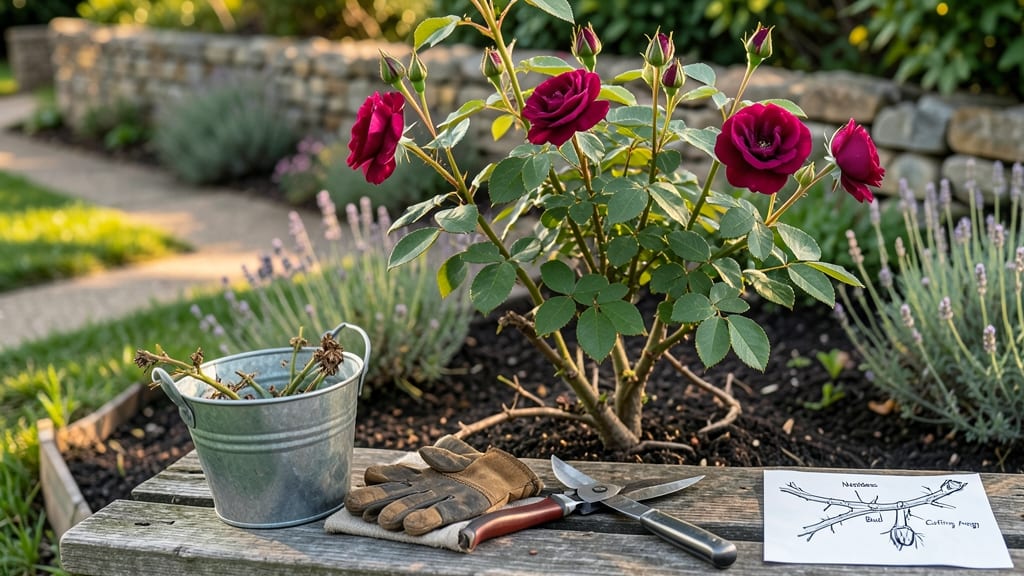
How to cut a rose off a rose bush the right way can transform a struggling plant into a lush, blooming masterpiece—if you do it with precision. ✂️ I’ve spent years learning the right way to remove roses because cutting too close or at the wrong angle invites disease and weakens growth. The secret isn’t just where you cut, but how you prep, time it, and care for the plant afterward.
You’ll need sharp pruners (sterilized with rubbing alcohol), a clear day, and a little patience. The best time to cut is in late winter or early spring, when the bush is dormant but ready to burst with new life.
Avoid cutting into wet wood or during rainy weather—those conditions turn pruning cuts into open wounds for pests.
With the right technique, you’ll see fresh, dark green shoots emerging within 2-3 weeks, and those new canes will produce more blooms than the old ones ever did.
The key is making cuts at a 45-degree angle, just above an outward-facing bud, and leaving enough stem to support new growth without crowding the center.
Even small mistakes—like cutting too close to the main stem or skipping sterilization—can set your bush back for a full season. But once you master this, your roses will reward you with stronger stems, fuller blooms, and years of effortless beauty. Let’s get those pruners ready!
📚 In This Guide
- What you need
- Instructions
- Tips and common mistakes
- Wrapping up and next steps
What you need
- ● Bypass pruners (sharp, clean, and sterilized—100% must): 1 pair (avoid anvil pruners—they crush stems!).
- ○ Hand pruners or loppers (for thicker stems, ½”–1” diameter): 1 pair (optional but handy).
- ● Garden shears (for smaller, delicate cuts): 1 pair (if pruners feel too heavy).
- ● Disinfectant (rubbing alcohol 70%+ or hydrogen peroxide): small bottle (to prevent disease spread).
- ● Rubbing alcohol wipes (for quick cleanups): 5–10 wipes (or a spray bottle).
- ● Gloves (gardening or cut-resistant): 1 pair (thorns are no joke!).
- ○ Sharpie or permanent marker (for labeling cuttings, if propagating): 1 (optional but useful).
- ● Rooting hormone (if propagating cuttings): small container (speeds up root growth!).
- ● Plastic bags or containers (for storing cuttings): 1–2 (keeps them hydrated).
- ● Hose or bucket of water (to clean tools mid-cutting): 1 (for stubborn sap).
- ● Rake or twig remover (to clear debris): 1 (if your bush is messy).
- ● Sunscreen & hat (because no one wants a sunburn mid-prune!).
Tips & tricks for pruning roses like a pro
These little-known techniques will help you prune with confidence—and keep your roses thriving for years.
The Timing Secret: Late winter or early spring is your sweet spot, but don't wait too long. If you see new green shoots emerging, you've missed the window. The goal is to prune just as the plant begins to wake up—this gives it time to heal before summer's heat stress. I've seen roses recover beautifully when pruned in late February, but waiting until April can leave them vulnerable to disease.
Tool Prep That Makes All the Difference: Your pruners are your most important tool, so treat them right. After each cut, wipe the blades with rubbing alcohol to prevent spreading any pathogens between canes. I also like to sharpen my pruners every few years—dull blades crush stems instead of making clean cuts, which invites infection. For larger branches, consider using loppers with a bypass blade for cleaner cuts.
Visual Cues for Perfect Cuts: That 45-degree angle isn't just about looks—it's about water runoff. Imagine the cut as a roof that directs water away from the stem. For the bud eye, think of it as the nose in a smiley face: your cut should be just above it, angled outward. This simple visualization helps me avoid those awkward cuts that leave too much or too little stem. You'll know you've nailed it when the cut surface looks smooth and shiny, not jagged.
Post-Pruning Recovery Boost: After you've finished pruning, don't just walk away! Water the bush deeply to help it recover. I like to add a thin layer of compost around the base—this provides nutrients while protecting new growth. The key is patience: wait until you see new green shoots (usually in 4-6 weeks) before fertilizing. Too much fertilizer too soon can actually stress the plant and delay regrowth.
Pro Tips for Cut A Rose Off A Rose Bush
- These little-known techniques will help you prune with confidence—and keep your roses thriving for years.
- The Timing Secret: Late winter or early spring is your sweet spot, but don't wait too long. If you see new green shoo...
- Tool Prep That Makes All the Difference: Your pruners are your most important tool, so treat them right. After each c...
Frequently asked questions
Got questions about trimming roses like a pro? Here are some of the most common concerns—plus quick, expert-friendly answers to keep your rose bush thriving!
When is the best time to cut roses off a rose bush?
The ideal time depends on your goal: prune in late winter or early spring (before new growth starts) to shape the bush and encourage blooms. For deadheading (removing spent flowers), do it right after blooming to redirect energy to new flowers. Avoid heavy pruning in fall—it can stimulate tender growth that won’t survive winter.
How do I know if I’m cutting at the right angle?
Look for a 45-degree angle about ¼ inch above a healthy outward-facing bud. This angle helps water run off the cut, reducing rot. If your cut is too flat or jagged, it can leave the stem vulnerable to disease. Pro tip: Use your pruners to scoop outward—the blade should naturally create the angle!
What if I cut too much off my rose bush?
Don’t panic! While severe over-pruning can stress the plant, roses are resilient. If you’ve trimmed back more than ⅓ of the bush, focus on healthy growth—cut just above strong buds. Water deeply and fertilize lightly to help recovery. New shoots will emerge in 2–4 weeks if the roots are healthy.
Can I use regular scissors instead of pruning shears?
Not ideal! Scissors can crush stems and create ragged cuts, inviting pests and disease. Pruning shears (or loppers for thicker stems) give you clean, precise cuts. For large branches, use a bypass pruner—it’s gentler than anvil-style shears. Invest in sharp tools to make the job easier (and safer for your bush!).
What should I do with the cuttings after removing them?
You’ve got options! Compost healthy cuttings (no signs of disease) to enrich your soil. For rooting, dip stems in rooting hormone and plant in moist potting mix—keep them humid until roots form. Avoid tossing them in the trash if they’re disease-free; many gardeners repurpose them creatively (like floral arrangements or mulch).
Do I need to sterilize my pruners between cuts?
Absolutely!
Dirty tools spread bacteria and fungi. Wipe blades with rubbing alcohol or a 10% bleach solution between cuts, especially if the bush shows signs of disease (like black spots). Sterilizing also prevents cross-contamination if you’re pruning multiple plants. A quick wipe takes 30 seconds but saves your roses from trouble!
Wrapping up and next steps
Cutting roses from your bush doesn’t have to be intimidating—with the right tools and technique, you’ll encourage healthier growth and stunning blooms!
Now that you’re ready to prune like a pro, why not take it a step further? Explore seasonal rose care tips to keep your bush thriving year-round. Happy gardening! 🌹✨