
Flowers
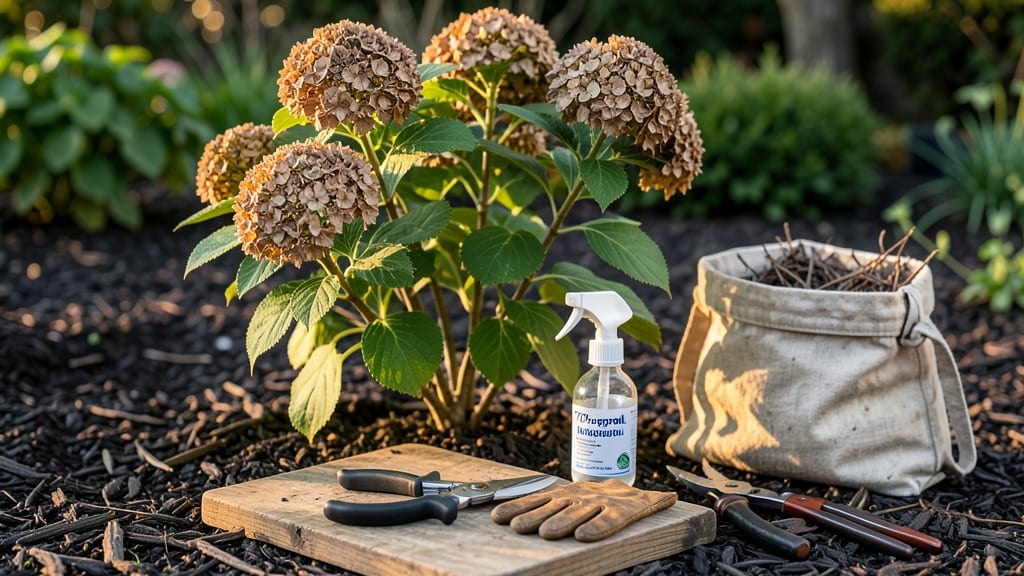
Cutting off dead hydrangea flowers isn’t just cleanup—it’s the secret to next year’s showstopping blooms. ✂️ I’ve pruned hydrangeas for years, and the difference between a bush with sparse flowers and one covered in lush blooms comes down to timing and technique.
Most people wait too late or cut too much, but with the right approach, you’ll encourage bigger, healthier flowers while keeping the plant thriving.
The key is knowing your hydrangea type—old wood bloomers (like bigleaf) need pruning in late winter/early spring, while new wood types (like panicle) get their haircut right after blooming. You’ll need clean, sharp pruners (dull blades tear stems), gloves, and a bucket for clippings.
Start by removing dead flowers, then shape the plant by cutting back to an outward-facing bud—this opens up the center for better airflow and sunlight.
When done right, your hydrangeas will reward you with larger blooms and fewer floppy stems. The plant focuses energy on new growth instead of supporting last year’s spent flowers, and you avoid the heartbreak of cutting off next year’s buds by accident.
Even if you’ve over-pruned before, this method gives you a fresh start—just don’t trim more than a third of the plant at once.
This works for all hydrangea types, from the classic bigleaf to the towering panicle varieties. The best time to prune is right before new growth starts, usually in late winter or early spring, when the plant is still dormant but ready to wake up.
Grab your pruners, and let’s get those hydrangeas prepped for their best season yet!
📚 In This Guide
- What you need
- Instructions
- Tips and common mistakes
- Wrapping up and next steps
What you need
- ● Bypass pruners – Sharp, clean pruners (avoid anvil pruners to prevent crushing stems). Size: 5–7 inches for medium stems.
- ● Garden shears or loppers – For thicker stems (½ inch or larger). Size: 6–8 inches with bypass blades.
- ● Disinfectant (70% isopropyl alcohol or bleach solution) – 1 part bleach to 9 parts water (for sterilizing tools).
- ○ Gloves (optional but recommended) – Nitrile or leather gloves to protect hands from thorns and sap.
- ● Trash bag or bucket – For collecting dead blooms and debris.
- ● Permanent marker or tape – To label stems if you’re unsure which are old wood vs. new growth.
- ● Hand pruners for fine trimming – For delicate adjustments near the base.
- ● Rubbing alcohol wipes – Quick tool sterilization between cuts.
- ● Garden hose or spray bottle – To rinse tools and stems post-pruning.
- ● Pruning saw (rarely needed) – Only for extremely thick stems (1+ inch).
Step-by-Step instructions for pruning dead hydrangea flowers
Here's the method I rely on to keep hydrangeas thriving—no guesswork, just clear cuts for next year's best blooms.
✂️ Step 1: Identify Flower Types and Prune Timing
First, know your hydrangea type—this determines when and how you prune. Bigleaf hydrangeas (Hydrangea macrophylla) bloom on old wood (last year's growth), so prune immediately after flowers fade. Smooth hydrangeas (H. arborescens) and panicle types (H. paniculata) bloom on new wood, so wait until late winter or early spring. Look for brown, crispy flower heads—those are ready to go.
If you're unsure, check the stems: old-wood bloomers have flower buds forming in late summer on last year's growth, while new-wood types develop buds on current season's stems. Pruning at the wrong time can mean no blooms next year. I always prune old-wood types right after flowers fade, while new-wood types wait until dormancy.
✂️ Step 2: Gather Tools and Prepare for Clean Cuts
Use sharp, clean pruning shears or loppers—dull tools crush stems and invite disease. Disinfect blades with rubbing alcohol before and after use to prevent spreading pathogens. I like to wear gloves too; hydrangea stems can be prickly, and the sap sometimes irritates skin.
Find the base of the flower head where the stem meets the main branch. Look for a set of leaves or buds just below the dead bloom—this is your target cut point. Never leave stubs; clean cuts heal faster and encourage stronger new growth. You'll see a slight swelling or node where new buds form—aim just above that.
✂️ Step 3: Make the Cut at the Right Spot
For old-wood bloomers, cut back to a bud or leaf node just below the dead flower head. The cut should be at a 45-degree angle, about ¼ inch above the node. This angled cut helps water run off and prevents rot. If you're pruning new-wood types, you can cut back more aggressively—up to ⅓ of the plant's height—since they'll bloom on fresh growth.
Step back and admire your work. You should see a clean, sloping cut with no jagged edges. If you accidentally cut into a bud or leaf, don't panic—just make a new cut above the mistake. The goal is to leave the plant with an open center and encourage airflow. This prevents fungal issues and makes next year's blooms even bigger.
🌿 Step 4: Shape the Plant for Airflow and Growth
After removing dead flowers, take a moment to shape the plant. Hydrangeas grow best with good airflow, so thin out crowded branches if needed. Aim for a rounded shape—this encourages even growth and better light penetration. You'll notice some stems are thicker and healthier than others; these are the ones to keep and train outward.
If your hydrangea is leggy or overgrown, this is the time to cut back some of the oldest stems at the base. For old-wood types, never remove more than ⅓ of the plant in one season—they need last year's stems to bloom. New-wood types can handle more aggressive pruning, so don't hesitate to cut back straggly branches to encourage bushier growth.
💧 Step 5: Clean Up and Fertilize for Next Year
Once pruning is done, collect all the cuttings and dispose of them in the trash—not the compost pile. Dead flowers can harbor pests or diseases that might spread to your garden. After cleanup, give the plant a light layer of mulch around the base to retain moisture and protect roots from temperature swings.
Feed your hydrangea with a balanced fertilizer in early spring. I use a 10-10-10 formula or one specifically for flowering shrubs. Water deeply after fertilizing to help nutrients soak into the soil. You'll see new shoots emerging within a few weeks—that's your sign the plant is ready for another season of stunning blooms.
Tips & tricks for precision pruning dead hydrangea flowers
Real talk: I've ruined more hydrangeas than I'd like to admit by pruning at the wrong time or with the wrong tools. Here's what I learned the hard way to make your pruning session flawless.
The Timing Secret: Late winter or early spring is your golden window—when buds are still tightly closed but before any green shoots appear. This ensures you're not cutting off next year's blooms. If you're unsure, check your local frost dates: aim for after the last hard frost but before new growth starts. For me, that's usually mid-February in my zone 6 garden.
Tool Intelligence: Your pruning shears aren't just any scissors—think of them as surgical instruments for your hydrangeas. I keep a dedicated pair for hydrangeas that I sharpen annually. For stems thicker than your thumb, switch to loppers. Pro move: Mark your tools with paint so you never accidentally use them on other plants after sanitizing.
Visual Cues for Perfect Cuts: When making those 45-degree cuts in Step 3, imagine you're creating a tiny roof that directs water away from the wound. The "¼ inch above the bud" rule is crucial—measure it with your shears if you're unsure. I like to count three buds down from the dead bloom before making my cut on old-wood varieties. This ensures I'm not cutting into next year's potential flowers.
Rescue Strategy for Mistakes: Accidentally cut into a bud? Don't panic. Hydrangeas are forgiving. Simply cut back to the next healthy bud immediately. If you've over-pruned and see no new growth after 6 weeks, you might need to use a root stimulator for the next planting season—but that's rare if you follow the steps carefully.
Pro Tips for Cut Off Dead Hydrangea Flowers
- Real talk: I've ruined more hydrangeas than I'd like to admit by pruning at the wrong time or with the wrong tools. H...
- The Timing Secret: Late winter or early spring is your golden window—when buds are still tightly closed but before an...
- Tool Intelligence: Your pruning shears aren't just any scissors—think of them as surgical instruments for your hydran...
Frequently asked questions
Got questions about pruning dead hydrangea blooms? You’re not alone—here are the answers to the most common concerns, from timing to tools and everything in between.
When is the best time to cut off dead hydrangea flowers?
Prune dead blooms in late winter or early spring (just before new growth starts) for most hydrangeas. For bigleaf (mophead) and oakleaf types, wait until after flowering (late summer/fall) to avoid sacrificing next year’s buds. Panicle hydrangeas can be pruned anytime, even in early spring.
Can I prune hydrangeas in winter or fall?
Fall pruning is risky—it can stimulate tender new growth that may die in frost. Winter pruning (before buds swell) is safe for panicle hydrangeas, but avoid cutting bigleaf or oakleaf types until after they bloom. If you must prune in fall, wait until after the first hard frost and remove only dead or diseased stems.
What if I accidentally cut off next year’s flower buds?
Don’t panic! Bigleaf and oakleaf hydrangeas grow buds on old wood, so pruning too late or too hard can reduce blooms. If you’ve already cut into the stems, focus on healthy new growth—your plant will adapt. For panicle hydrangeas (which bloom on new wood), you’re in the clear!
Do I need to sterilize my pruners after cutting?
Absolutely!
Sterilizing pruners with rubbing alcohol (70%+) or a 10% bleach-water solution prevents spreading bacterial or fungal diseases (like powdery mildew or leaf spot). Wipe blades before and after each plant, especially if your hydrangea shows signs of rot or spots.
What if my hydrangea doesn’t bloom after pruning?
Check these first:
- Pruning timing: Did you cut bigleaf/oakleaf types after they bloomed?
- Sunlight: Hydrangeas need 6+ hours of sun daily.
- Soil pH: Blue blooms thrive in acidic soil (pH 5.2–5.5); pink in neutral (6.0–7.0).
- Fertilizer: Feed with balanced 10-10-10 in early spring.
Pro Tip:
Mark your calendar! Panicle hydrangeas (like ‘Limelight’) can be pruned harder in early spring—they’ll reward you with bigger blooms later. For bigleaf types, snap a photo of your plant’s shape before pruning to guide cuts.
Wrapping up and next steps
Pruning dead hydrangea flowers might feel like a small task, but it’s the secret to stunning blooms next season! 🌸 By following these steps—timing, technique, and tool care—you’ll keep your plants healthy and vibrant.
Now that you’re armed with the know-how, grab those shears and give your hydrangeas the fresh start they deserve.
Ready to take it further? Plan your pruning schedule and mark your calendar for late winter or early spring. Your future blooms will thank you!