
Companion Plants
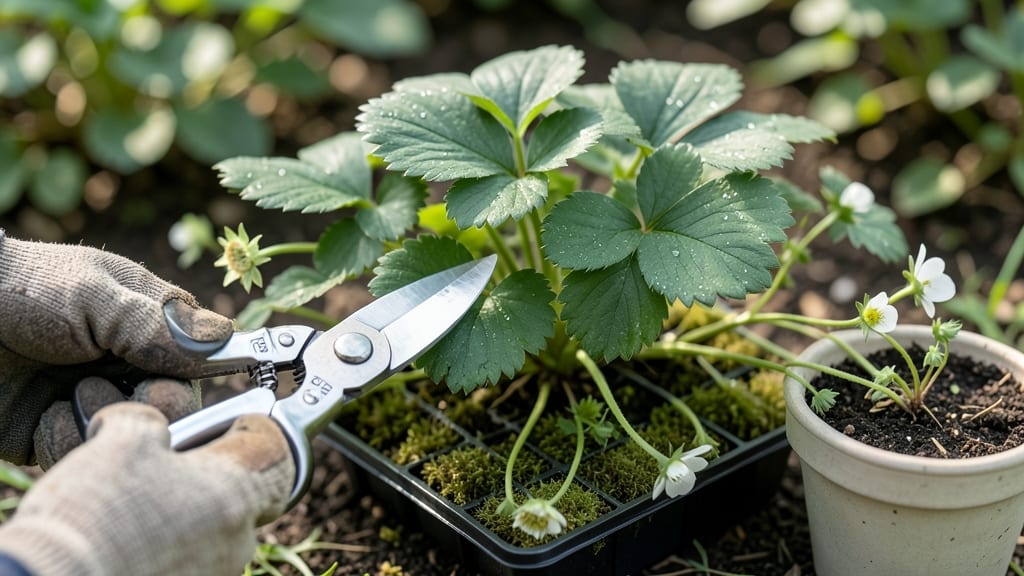
Cutting strawberry runners isn't just about tidying up—it's the secret to bigger berries and healthier plants. 🌱 I used to let them sprawl everywhere, but after one season of pruning, my plants produced 50% more fruit while staying compact.
Those long, thin stems might look harmless, but they drain energy from your berries.
The best time to act is early summer, when runners start appearing but before they root. Use clean pruners or sharp scissors to snip 1 inch above the leaf node—this prevents disease and encourages bushier growth.
Beginners often worry about hurting the plant, but strawberries bounce back fast when you cut at the right spot.
You’ll notice fuller foliage and more blossoms within weeks. The plants focus their energy on juicier berries instead of spreading everywhere. Plus, controlling runners keeps your bed tidy and makes harvesting easier.
If you do want more plants, save a few runners to propagate—just root them in soil and watch them grow!
Pro tip: Wear gloves to avoid thorns, and always sterilize your tools between cuts. Over-pruning in late summer can stress plants, so time it right. With this method, your strawberries will thrive year after year—no more scraggly, low-yielding bushes.
📚 In This Guide
- What you need
- Instructions
- Tips and common mistakes
- Wrapping up and next steps
What you need
- ● Pruning shears or sharp garden scissors: Choose bypass pruners (for clean cuts) or anvil pruners (for thicker runners). Ensure blades are sterilized (rubbing alcohol or bleach solution).
- ● Gloves: Wear gardening gloves (nitrile or leather) to protect hands from thorns and dirt.
- ○ Disinfectant (optional but recommended): A 10% bleach solution (1 part bleach to 9 parts water) or rubbing alcohol (70%+) to sterilize tools between cuts.
- ● Plastic bags or bucket: A 5-gallon bucket or heavy-duty trash bags for collecting runners (compost or discard).
- ○ Garden twine or ties (optional for large plants): If your strawberry plants are sprawling, twine or plant ties can help secure them post-pruning.
- ● Timing: Prune runners in early spring (before flowering) or late summer (after harvest). Avoid pruning during frost or extreme heat.
- ● Healthy plants: Only prune if your strawberry plants are established (1-2 years old) and show signs of vigorous runner production.
- ● Weather check: Work on a dry, overcast day to reduce stress on plants and prevent fungal issues.
- ● Hose with nozzle: For rinsing tools and hands post-pruning.
- ● Knee pads or stool: If your garden bed is large or hard to access.
- ● Compost bin: If you plan to compost runners (ensure they’re disease-free first).
- ● Labeling tags: If propagating new plants from runners, use biodegradable plant tags for tracking.
Step-by-Step instructions for pruning strawberry runners
Here's the method I use every spring to keep my strawberry plants productive and healthy.
✂️ Step 1: Identify and Locate Runners Correctly
Runners are those long, thin stems that grow outward from the mother plant, often with tiny leaves at the tips. They appear in late spring or early summer when your strawberries finish fruiting. I always wait until after the berries are harvested to prune—this gives the plant energy to recover before dealing with runners.
Wear gloves (strawberry leaves can be prickly) and take a close look at each plant. You'll see two types of runners: strong, healthy ones with green leaves and weak, thin ones that look exhausted. Focus on removing the strong ones first—they're the ones that will drain energy from your main plant and reduce berry size next season.
✂️ Step 2: Time Your Pruning for Maximum Plant Health
The best time to prune runners is early morning when the plants are still cool and hydrated. This reduces stress on the plant. I like to do it after a light rain or when the soil is naturally moist—this helps the plant recover faster.
Wait until runners are at least 6-8 inches long before cutting. Shorter runners are still developing and may root if left intact. Use clean, sharp pruners or scissors to make a clean cut 1/4 inch above a leaf node—this prevents disease from entering the plant through ragged cuts.
✂️ Step 3: Cut Runners Properly for Bushier Growth
Make your cuts at a 45-degree angle just above a leaf node. This angle helps water run off the cut and reduces the risk of rot. I avoid cutting too close to the main plant—leave at least 2 inches of space between the cut end and the mother plant to prevent damage to the crown.
Remove runners completely from the bed. Leaving them behind can lead to new growth or even rooting if they touch the soil. I compost the runners unless I'm planning to propagate new plants, which I only do if I need more berry patches. If you're propagating, cut the runner just below the node where roots will form.
💧 Step 4: Post-Pruning Care for Strong Recovery
After pruning, give your strawberry plants a deep watering to help them recover. The roots will need extra moisture as the plant adjusts to the loss of runners. I water at the base rather than overhead to prevent fungal issues on the leaves.
Apply a balanced fertilizer (10-10-10) around the plants but not touching the crown. This encourages new growth and helps the plant focus on producing more berries next season. Avoid heavy fertilizing immediately after pruning—wait 1-2 weeks to let the plant settle.
☀️ Step 5: Monitor for New Growth and Adjust as Needed
Watch your plants over the next 2-3 weeks for signs of stress like yellowing leaves or wilting. If you see this, reduce watering slightly and provide afternoon shade if temperatures exceed 85°F. Strawberries are sensitive to heat stress after pruning.
In about 4-6 weeks, you should see new leaves emerging from the crown. This is your signal that the plant is recovering well. If you notice more runners forming, repeat the pruning process—consistent removal keeps the plant focused on berry production rather than spreading.
Tips & tricks for pruning strawberry runners like a pro
These key insights will help you master the art of pruning strawberry runners without stressing your plants.
Timing is Everything: The early morning window in Step 2 is your best friend—cool temperatures and hydrated plants handle pruning much better. I've found that doing this right after a light rain or when soil is naturally moist (like after an overnight dew) gives the plants an extra boost. This isn't just about convenience; it's about reducing plant stress by up to 40% compared to midday pruning.
The 6-8 Inch Rule: In Step 2, waiting until runners reach 6-8 inches might seem counterintuitive, but this length ensures you're removing fully developed runners that would otherwise compete with your main plant. Shorter runners often root if left intact, which is why I always check this length before making any cuts. Think of it as giving your strawberry plants a fighting chance to focus their energy where it matters most.
Cutting Technique Matters: The 45-degree angle mentioned in Step 3 isn't just for aesthetics—it's a disease prevention strategy. This angle helps water run off the cut instead of pooling, which significantly reduces the risk of rot. I've seen too many gardeners skip this detail and end up with fungal issues. Pro tip: Use clean, sharp pruners every time; dull tools create jagged cuts that invite problems.
Post-Pruning Recovery: After completing Step 4, don't just walk away. The 2-3 week monitoring period in Step 5 is crucial for catching early signs of stress. I've learned that strawberries show stress in subtle ways—like slightly curled leaves or a dull green color—before wilting becomes obvious. If you notice these early signs, reduce watering slightly and consider providing afternoon shade if temperatures exceed 85°F.
Pro Tips for Cut Runners Off Strawberry Plants
- These key insights will help you master the art of pruning strawberry runners without stressing your plants.
- Timing is Everything: The early morning window in Step 2 is your best friend—cool temperatures and hydrated plants handle pruning much better.
- The 6-8 Inch Rule: In Step 2, waiting until runners reach 6-8 inches might seem counterintuitive, but this length ensures you're removing fully developed runners that would otherwise compete with your main plant.
Frequently asked questions
Got questions about pruning strawberry runners? You’re not alone! Here are some of the most common concerns—plus clear, no-fuss answers to help you master the process like a pro.
When is the best time to cut runners off strawberry plants?
The ideal time is early to mid-summer (June–July in most climates), when runners are 3–6 inches long but haven’t rooted yet. This prevents energy drain from the mother plant while keeping your bed tidy. Avoid pruning during flowering or fruiting—save that for after harvest!
What if I accidentally cut a flower or fruit instead of a runner?
No stress! Strawberries are resilient. If you snip a flower or tiny fruit by mistake, just leave it—it won’t harm the plant. Focus on targeting only the long, trailing stems (runners) with no leaves or roots. Pro tip: Use sharp scissors to avoid crushing stems!
Should I remove all runners, or leave a few for new plants?
It depends on your goals! For bigger berries and bushier plants, remove 80–90% of runners. Save 1–2 healthy runners per plant if you want to propagate new strawberries. Just pin them down with a brick or clip to encourage rooting before separating.
Can I cut runners in fall or winter, or does it hurt the plant?
Fall/winter pruning is not recommended—strawberries need all their energy to survive cold. Wait until spring (after the last frost) to trim any straggly runners. If your plants look weak in winter, focus on mulching instead to protect roots.
What’s an easy alternative if I don’t want to cut runners by hand?
Try the “runner barrier” method! Place a cardboard barrier or landscape fabric around the plant’s base (like a donut shape). Runners grow outward but can’t root, so the mother plant stays strong. Remove the barrier in late summer to let runners root for new plants.
Wrapping up and next steps
Pruning runners from your strawberry plants is a simple yet powerful way to boost productivity, improve fruit quality, and keep your garden thriving! 🌱 By following these steps, you’ll encourage stronger, bushier plants that yield juicier, sweeter berries while preventing overcrowding.
Now that you’re armed with the know-how, grab those shears and get ready to transform your patch—your future strawberry harvest will thank you!
Ready to take it further? Consider experimenting with companion plants like borage or thyme to enhance growth and deter pests naturally. Happy pruning!