
Pruning
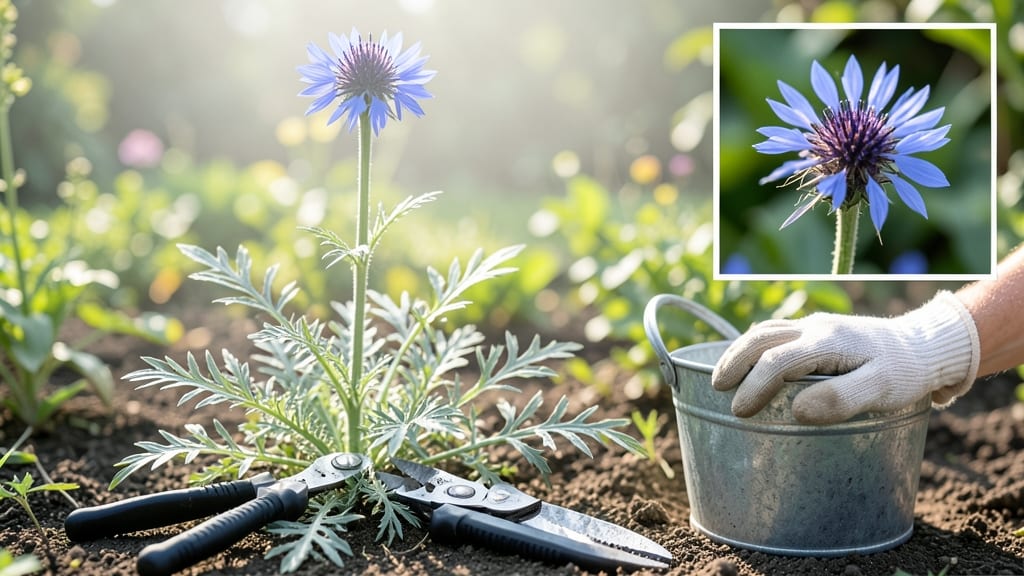
How to deadhead cornflowers keeps these sky-blue stars blooming all summer. ✂️ I’ve watched these vibrant flowers fade fast—until I learned the simple trick that turned a single flush of blooms into weeks of vibrant growth. Deadheading isn’t complicated, but timing and technique make all the difference.
You’ll need just two things: sharp pruners (or even clean scissors) and a few minutes after the petals drop. Cut the spent bloom stem cleanly just above the first set of healthy leaves or buds—this signals the plant to focus energy on new growth, not seed production.
The result? Cornflowers that rebound faster and produce more blooms than you’d expect.
What you’ll end up with is a cornflower patch that stays lush and colorful for 6+ weeks instead of fading in two. The stems stay sturdy, the foliage thickens, and you’ll have more cut flowers for arrangements than you know what to do with.
It’s the kind of simple maintenance that pays off in bold, cheerful blooms.
Works for both garden beds and containers, and even saves you from weeding as the plants fill in. Here’s exactly how to do it without overcomplicating things—no green thumb required.
📚 In This Guide
- What you need
- Instructions
- Tips and common mistakes
- Wrapping up and next steps
What you need
- ● Pruning shears or sharp garden scissors – Choose bypass pruners (not anvil-style) for clean cuts. A 5-inch pair with ergonomic handles is ideal for precision.
- ● Clean, sharp knife or hedge shears – For larger clusters or thick stems. Opt for a 3-4 inch blade for better control.
- ○ Gloves (optional but recommended) – Nitrile or cotton gardening gloves protect hands from thorns and dirt. A medium-sized pair works best.
- ● Bucket or trash bag – A 5-gallon bucket or sturdy bag to collect spent blooms and debris.
- ○ Water spray bottle (optional) – A 16-ounce misting bottle helps rinse tools between cuts and keeps stems clean.
- ● Disinfectant spray (70% isopropyl alcohol) – Spray tools before and after use to prevent disease spread.
- ● Knee pad or small stool – For comfort if deadheading large patches or kneeling for extended periods.
- ● Compost bin or bag – Repurpose spent blooms as nutrient-rich compost.
- ● Hand lens or magnifying glass – Helps spot hidden pests or early signs of disease on stems.
Step-by-Step instructions for deadheading cornflowers
Here's the easy way to keep your cornflowers blooming all season—no fancy tools or complicated steps.
✂️ Step 1: Identify the Right Blooms to Trim
Wait until a flower's petals fully open but haven't started wilting—that's your signal to act. I look for blooms where the center is still vibrant and the petals aren't drooping. These are the ones that will produce new flowers if you give them a little encouragement.
Skip the seed heads—they're the dried, brown centers that form after blooms fade. Those are where the plant puts its energy into making seeds, not new flowers. You'll know you're picking the right ones when you see fresh, bright petals with no brown edges.
✂️ Step 2: Use the Right Cutting Technique
Grab your clean, sharp pruners or scissors and cut the stem just above a set of leaves or a side bud. This is where new growth will sprout from. I like to make my cuts at a slight angle—about 45 degrees—to give water a better chance to run off and avoid rot.
Don't cut too close to the leaves or you risk damaging the plant. Aim for about ½ inch above the leaf or bud. This ensures you're not removing any growing points while still encouraging the plant to produce more blooms from that spot.
🌿 Step 3: Remove Faded Blooms and Seed Heads
Now it's time to find those faded blooms and seed heads. Look for flowers with brown or wilted petals and any stems that have turned brown and crispy. These are the ones that have already done their job and are now just taking energy from the plant.
Use your fingers or pruners to gently pinch off or cut these spent blooms. Be thorough—even one missed seed head can mean fewer new flowers. I like to do this in the morning when the stems are still firm and easy to handle.
💧 Step 4: Encourage New Growth With Proper Care
After deadheading, give your cornflowers a little extra care to help them bounce back. Water the base of the plant deeply but avoid soaking the leaves. I usually water in the early morning so the foliage has plenty of time to dry out during the day.
You'll see new buds forming in about 2-3 weeks, depending on your climate. If you notice the plant looking a bit leggy, it might need a little more light. Cornflowers love full sun, so if they're not getting enough, consider moving them to a sunnier spot.
⏰ Step 5: Repeat Regularly for Continuous Blooms
Here's the thing—cornflowers don't need deadheading as often as some other flowers. Once every 1-2 weeks is usually enough to keep them looking their best. But if you're really committed to a long bloom season, check your plants every week and remove any faded blooms or seed heads you find.
Real talk: If you're growing cornflowers for their seeds (which are great for birds), you can skip deadheading entirely. But if you're all about those pretty blooms, this simple routine will keep your cornflowers looking fresh and vibrant all season long.
Tips & tricks for perfect cornflower deadheading
These simple techniques will help you keep your cornflowers thriving with minimal effort.
Timing is Everything: I've learned the hard way that deadheading at the right time makes all the difference. In Step 1, when you're choosing blooms to trim, focus on flowers that have fully opened but still have vibrant centers. The key is to act within 24 hours of opening—any longer and you risk encouraging seed production instead of new blooms. Morning is the best time to work, as stems are firm and less likely to break.
Tool Selection Matters: While clean, sharp pruners are ideal, don't overlook what you already have at home. In Step 2, you can use regular scissors or even your fingers for small stems. The important thing is to make clean cuts—no jagged edges that can invite disease. I keep a small pair of pruners in my gardening bucket specifically for deadheading tasks to avoid spreading bacteria between plants.
Visual Cues for Perfect Cuts: When making those 45-degree angled cuts in Step 2, think of it like trimming your nails—you want to cut just above the leaf or bud without removing any growing points. A good rule of thumb is to look for the first set of leaves below the flower. Your cut should be about halfway between the flower and those leaves. This gives the plant room to grow new stems from that spot.
Seasonal Adjustments: The 2-3 week regrowth time mentioned in Step 4 can vary by season. In cooler spring months, you might see new buds in 3 weeks, while summer heat can bring them in just 10-14 days. Pay attention to your local climate—if you're not seeing new growth after 3 weeks, it might be time to check your plant's light exposure or watering habits.
Pro Tips for Deadhead Cornflowers
- These simple techniques will help you keep your cornflowers thriving with minimal effort.
- Timing is Everything: I've learned the hard way that deadheading at the right time makes all the difference.
- Tool Selection Matters: While clean, sharp pruners are ideal, don't overlook what you already have at home.
Frequently asked questions
Got questions about deadheading cornflowers? You’re not alone! Here are answers to the most common queries to help you keep those vibrant blooms coming all season.
When is the best time to deadhead cornflowers?
Deadhead cornflowers after they’ve fully bloomed but before the petals start wilting or dropping. This usually means snipping spent flowers in the late morning or afternoon when the stems are firm. Avoid deadheading in extreme heat or cold to prevent stressing the plant.
How do I know if I’m cutting the right part of the stem?
Look for the spent flower head (the one with faded or brown petals) and cut just above a set of healthy leaves or side buds. Avoid cutting into the main stem unless it’s woody or diseased. Aim for a clean cut at a 45-degree angle to encourage new growth.
What if I skip deadheading—will my cornflowers still bloom?
Cornflowers are resilient and can produce a few more blooms without deadheading, but removing spent flowers redirects the plant’s energy to new growth and larger blooms. Skipping it may lead to leggy stems or fewer flowers over time. Think of it as a quick trade-off for a longer, showier display!
Can I deadhead cornflowers in rain or after heavy dew?
It’s best to wait until the foliage is completely dry to avoid spreading disease or damaging the plant. Wet stems can harbor bacteria or fungi, so aim for a sunny, dry day. If you must deadhead after rain, sterilize your shears with rubbing alcohol first.
What should I do with the cut flowers after deadheading?
Use them! Cornflowers make stunning cut flowers—strip the lower leaves, trim the stems at an angle, and place them in water. They’ll last weeks in a vase. Alternatively, compost the spent blooms (unless diseased) to enrich your garden soil naturally.
Wrapping up and next steps
Deadheading cornflowers is a simple yet rewarding task that keeps your garden vibrant and full of life! By removing spent blooms, you encourage more flowers, healthier plants, and a longer blooming season—all with just a few snips. 🌸
Now that you’re armed with the right tools and techniques, why not take the next step? Try deadheading other flowers in your garden—like cosmos, zinnias, or dahlias—to see how easy it is to extend their beauty. Happy gardening! 🌿