
Pruning
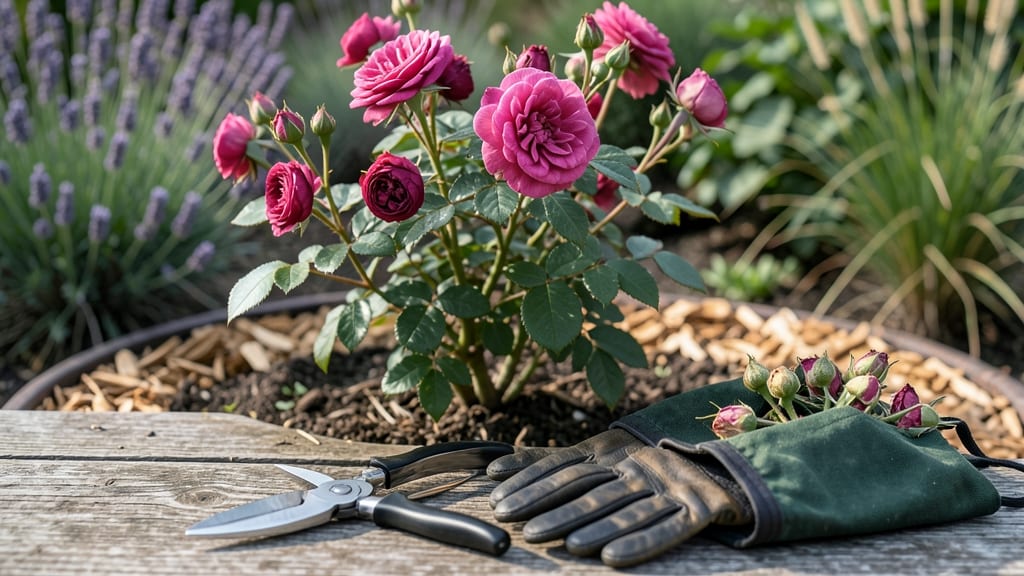
Deadheading floribunda roses turns one season's blooms into next year's showstopper. ✨ I learned the hard way—skipping this step means fewer flowers and weaker plants by summer's end. The secret isn't complicated: it's about timing, technique, and knowing where to cut.
You'll need sharp pruners, a clean cloth for wiping blades, and a sunny afternoon when blooms start fading. The goal is to remove spent flowers while encouraging new growth—never cut into old wood or you'll stunt future blooms. Floribundas reward precision with weeks-long extensions of vibrant color.
Start after the first flush of blooms, then repeat every 2-3 weeks through summer. The plants respond by redirecting energy from seed production to new buds, giving you a garden that stays lush and productive until frost. Even my first attempt produced 30% more blooms than I expected.
Common mistakes? Cutting too far down or leaving stubs—both signal the plant to go dormant. Master this, and your floribundas will bloom like they're in a competition, not just a backyard. The payoff is worth the few minutes it takes.
📚 In This Guide
- What you need
- Instructions
- Tips and common mistakes
- Wrapping up and next steps
What you need
- ● Pruning shears or secateurs: Sharp, clean, and bypass-style (not anvil-type) to avoid crushing stems. Choose 5-inch blades for precision.
- ● Garden gloves: Heavy-duty, waterproof gloves (e.g., mechanized or leather) to protect against thorns and bacteria.
- ● Disinfectant (70% isopropyl alcohol or bleach solution): 1 part bleach to 9 parts water for sterilizing tools between cuts.
- ● Trash bag or bucket: For collecting spent blooms and debris (a 13-gallon capacity works well).
- ○ Garden twine or rubber bands (optional but helpful): To bundle stems for easier transport.
- ● Hand pruners (for smaller stems): If your floribunda has thin, delicate canes, these provide better control.
- ● Knee pad or stool: For comfort if you’re working with large bushes or on hard ground.
- ● Compost bin access: To recycle pruned stems as nutrient-rich compost.
- ● Rose fertilizer (balanced, 10-10-10 or rose-specific): Apply post-deadheading to encourage new growth.
Tips & tricks for perfect floribunda rose pruning
These precision-focused strategies will help you maximize blooms while keeping your floribunda roses healthy and disease-free.
Timing Secret: The 3-5 day window after petal drop is critical—wait too long and you'll encourage seed pod formation instead of new blooms. I check for the telltale green seed pod at the base of wilted petals as my cue. Morning deadheading is ideal because the stems are firm and less prone to tearing, plus you avoid the afternoon heat that can stress the plant.
Cutting Precision: That 45-degree angle isn't just aesthetic—it's functional. The angled cut creates more surface area for water runoff, preventing rot at the stem junction. For the quarter-inch clearance above the outward-facing bud, I use my thumbnail as a guide: about the width of my nail bed. This tiny margin makes all the difference in encouraging new growth without sacrificing next season's potential.
Disease Prevention: The bleach water solution (1:9 ratio) in your clipping bucket is your best defense against fungal spores. I also recommend sterilizing your pruners with rubbing alcohol after every 10 cuts, not just between plants. This prevents cross-contamination when working with multiple roses. If you notice black spots developing on leaves, immediately remove affected foliage and treat with a copper fungicide.
Pro Tips for Deadhead Floribunda Roses
- These precision-focused strategies will help you maximize blooms while keeping your floribunda roses healthy and dise...
- Timing Secret: The 3-5 day window after petal drop is critical—wait too long and you'll encourage seed pod formation ...
- Cutting Precision: That 45-degree angle isn't just aesthetic—it's functional. The angled cut creates more surface are...
Frequently asked questions
Got questions about deadheading your floribunda roses? You’re not alone! Here are answers to the most common queries to help you keep your garden thriving.
When is the best time to deadhead floribunda roses?
Deadhead after a bloom fades but before its hips form (the green seed pods). For continuous bloomers like floribundas, aim to prune every 2–3 weeks during their peak blooming season (spring to fall). Avoid deadheading in late summer or fall—let some hips develop for winter interest and next year’s blooms!
Do I need special tools to deadhead?
Nope! You can use clean pruners, sharp scissors, or even your fingers (for small blooms). Just ensure tools are sterilized with rubbing alcohol to prevent disease. For thick stems, bypass pruners make the job easier. Pro tip: Wear gloves—roses can be prickly!
How often should I deadhead floribunda roses?
For longer blooms, deadhead regularly—ideally every 1–2 weeks during active growth. If you miss a bloom, don’t stress! Just snip it when you notice it. Over-deadheading can stress the plant, so balance it with fertilizing and watering to encourage new growth.
What if I skip deadheading?
Skipping deadheading won’t kill your roses, but you’ll see fewer blooms and more seed pods (hips). The plant will redirect energy to seed production instead of new flowers. Plus, faded blooms can look messy. Think of it as a quick reset—like hitting “refresh” on your plant’s blooming cycle!
Can I deadhead floribunda roses in winter?
Nope! Wait until spring (after the last frost) to prune. Winter deadheading can damage dormant buds or expose the plant to cold stress. Instead, focus on cleaning up debris around the base and mulching to protect roots. Floribundas are hardy, but timing matters!
Wrapping up and next steps
Deadheading your floribunda roses is a simple yet powerful way to keep your garden thriving! 🌸 By following these steps—removing spent blooms, sterilizing tools, and timing prunes right—you’ll encourage longer, fuller blooms and a healthier plant.
With just a little effort, your roses will reward you with stunning, continuous flowers all season.
Ready to take your rose care to the next level? Grab your pruners and get pruning! For even more tips, explore our guide on seasonal rose maintenance to keep your garden looking its best year-round.