
Pruning
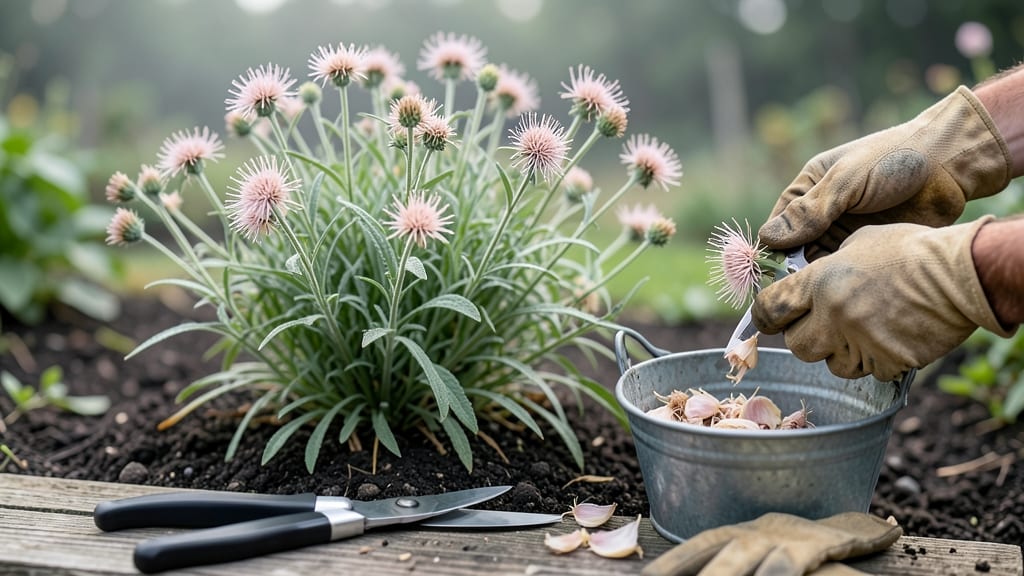
How to deadhead gaura keeps these delicate plants blooming all summer long. 🌸 I’ve spent years watching these plants fade into leggy stems—until I learned the secret to making them flower nonstop. Deadheading gaura isn’t just about looks; it’s how you trick the plant into putting energy into new blooms instead of seeds.
You only need two things: sharp pruners and 10 minutes after the flowers fade. The goal is simple—remove spent blooms just above the next set of leaves. Gaura’s airy stems make it easy to see where to cut, and the results are immediate: fresh flowers in 3-5 days.
No fancy tools or complicated steps, just a quick reset for your plant.
The payoff is worth it—weeks of continuous blooms instead of a single flush. You’ll end up with fuller plants that bounce back faster from heat or drought.
The best part? You can do this once a week during peak bloom, and your gaura will look like it’s in a botanical garden, not your backyard.
Works for both white and pink varieties, and even saves you from dealing with self-seeding messes. Here’s how to do it right the first time—no guesswork, just results.
📚 In This Guide
- What you need
- Instructions
- Tips and common mistakes
- Wrapping up and next steps
What you need
- ● Pruning shears or sharp bypass pruners – Look for stainless steel blades (4–6" length) to avoid crushing stems.
- ○ Gloves (optional but recommended) – Garden or nitrile gloves to protect hands from thorns or dirt.
- ● Clean bucket or trash bag – For disposing of spent blooms (1–2 gallon size).
- ○ Water spray bottle (optional) – To mist shears between cuts and prevent sap buildup.
- ● Hand lens or magnifying glass – Helps spot hidden buds or pests on stems.
- ● Disinfectant (70% isopropyl alcohol) – Wipe blades before/after use to prevent disease spread.
- ● Compost bin – Recycle spent blooms instead of tossing them!
- ● Knee pad or stool – For comfort if your Gaura is tall (2–4 ft varieties).
Step-by-step instructions for deadheading gaura
This one simple snip keeps your gaura flowering nonstop all season long.
🌿 Step 1: Wait for the Right Moment
Deadhead gaura when spent blooms begin to fade and drop petals, but before they turn brown. You'll notice the flowers losing their vibrant color and the center starting to look dry. This is the moment that matters: cutting too early removes blooms that could still last another day or two, while waiting too long lets seeds form and weakens the plant.
I like to check my gaura every 3-4 days during peak bloom season. Morning is the best time—cooler temperatures mean flowers are fully open, making faded ones obvious. If you see a bloom that's lost its color but still has green parts, it's not ready yet. Wait until the petals have mostly fallen away.
✂️ Step 2: Make the Perfect Cut
Use clean, sharp pruners or your fingers to pinch off the faded flower cluster just above the next set of healthy leaves or leaf nodes. Gaura grows in a unique way—its flowers grow on long, wiry stems, so you'll often be cutting back to where the stem is about 1/4 to 1/2 inch above a leaf. This encourages the plant to branch out and produce more flowers.
Don't cut too close to the leaf—you'll risk damaging the growing point. And don't worry about being perfect; gaura is forgiving. If you accidentally cut above a leaf, the plant will still recover and produce new growth. Just keep an eye out for new buds forming along the stem within 1-2 weeks.
☀️ Step 3: Encourage Continuous Blooming
After deadheading, give your gaura a little extra care to keep it flowering. Water deeply at the base if the weather has been dry, but don't drown it—gaura prefers well-draining soil and won't tolerate soggy roots. You'll see new buds forming along the stems within 1-2 weeks, especially if the plant is getting 6+ hours of sunlight daily.
Here's the thing—gaura is a tough plant, but it responds best when you're consistent. I deadhead mine every 3-5 days during peak bloom season (late spring through summer), and it keeps producing flowers until the first frost. The key is staying on top of it so the plant doesn't waste energy on seed production.
🌱 Step 4: Maintain Through the Season
As summer progresses, you might notice some stems getting leggy or woody. This is normal, but you can encourage bushier growth by cutting back the longest stems by about 1/3 in early summer. This isn't deadheading—it's more of a rejuvenation cut. You'll see new growth and flowers sprout from the base within 2-3 weeks.
I also like to remove any stems that look diseased or have yellowed leaves. Gaura is generally pest- and disease-resistant, but even the toughest plants can get a bad stem here and there. Just snip it off at the base with clean pruners, and the rest of the plant will stay healthy. By late summer, you'll start seeing fewer blooms naturally, but a little deadheading will keep them coming until frost.
Tips & tricks for perfect gaura deadheading
Keeping your gaura blooming beautifully requires just a few simple tricks that make all the difference.
Timing is Everything: The 3-4 day check interval during peak bloom season is perfect because gaura flowers open fully in cooler morning air. This makes faded blooms immediately obvious—look for petals that have mostly fallen away rather than just wilting. Waiting until flowers turn brown means you've missed the optimal cutting window, and the plant will start putting energy into seed production instead of new blooms.
Tool Selection Matters: While fingers work for small batches, invest in a pair of clean, sharp pruners for larger plants. I use small bypass pruners that fit comfortably in my hand—they make quick work of multiple stems. Always sterilize your tools with rubbing alcohol between plants to prevent spreading any potential diseases. The clean cut is just as important as the timing!
Growth Hack: When making your 1/4 to 1/2 inch cut above the leaf node, angle your cut slightly downward if possible. This helps water run off the stem and prevents rot. You'll notice new buds forming along the stems within 1-2 weeks when you do this consistently. This angled cut also creates a natural barrier that reduces the chance of water pooling at the cut site.
Seasonal Adjustments: During early summer's rejuvenation cut (cutting back longest stems by 1/3), I like to do this on a cloudy day when temperatures are cooler. The plant handles the stress better, and you'll see fresh growth sprouting from the base within 2-3 weeks. This is your chance to shape the plant into a fuller, bushier form that will produce even more flowers throughout the season.
Pro Tips for Deadhead Gaura
- Keeping your gaura blooming beautifully requires just a few simple tricks that make all the difference.
- Timing is Everything: The 3-4 day check interval during peak bloom season is perfect because gaura flowers open fully in cooler morning air.
- Tool Selection Matters: While fingers work for small batches, invest in a pair of clean, sharp pruners for larger plants.
Frequently asked questions
Got questions about keeping your gaura blooming beautifully? Here are answers to the most common ones—so you can deadhead like a pro!
How often should I deadhead gaura?
Deadhead gaura every 1–2 weeks during peak bloom (spring to fall). For heavy bloomers, check weekly! Regular snipping encourages more flowers and prevents seed heads from stealing energy. If you’re busy, focus on spent blooms first—they’re the biggest giveaways!
Can I deadhead gaura too much?
Yes! Over-deadheading (especially late in the season) can stress the plant. Aim to remove only faded blooms, not healthy buds or foliage. In late summer/fall, let some flowers go to seed—they’ll self-sow for next year’s surprise blooms!
What if my gaura stops blooming after deadheading?
Try these fixes:
- Check sunlight: Gaura needs 6+ hours of sun daily—move it if shaded.
- Fertilize lightly: Use a balanced 10-10-10 fertilizer in spring.
- Avoid overwatering: Gaura hates soggy roots—water only when soil is dry.
Do I need special tools to deadhead gaura?
Nope! Use:
- Clean hand pruners or sharp scissors for precision.
- A glove if stems are prickly (some varieties are!).
- Your fingers for quick pinch-offs (great for small blooms!).
Can I deadhead gaura in winter?
Not usually! Gaura is dormant in winter—focus on cleanup in early spring (before new growth). Trim back 1/3 of the plant to shape it, but leave some stems for next year’s blooms. Avoid winter pruning unless dead stems remain.
Wrapping up and next steps
Deadheading your gaura is a game-changer—just a few minutes of effort will reward you with longer, fuller blooms all season! Remember, timing (right after flowering) and technique (clean snips, not tugs) make all the difference.
Now that you’re armed with the know-how, grab those pruners and watch your garden thrive! 🌸✂️
Ready to take it further? Check out our guide on fertilizing gaura for even more vibrant growth!