
Propagation
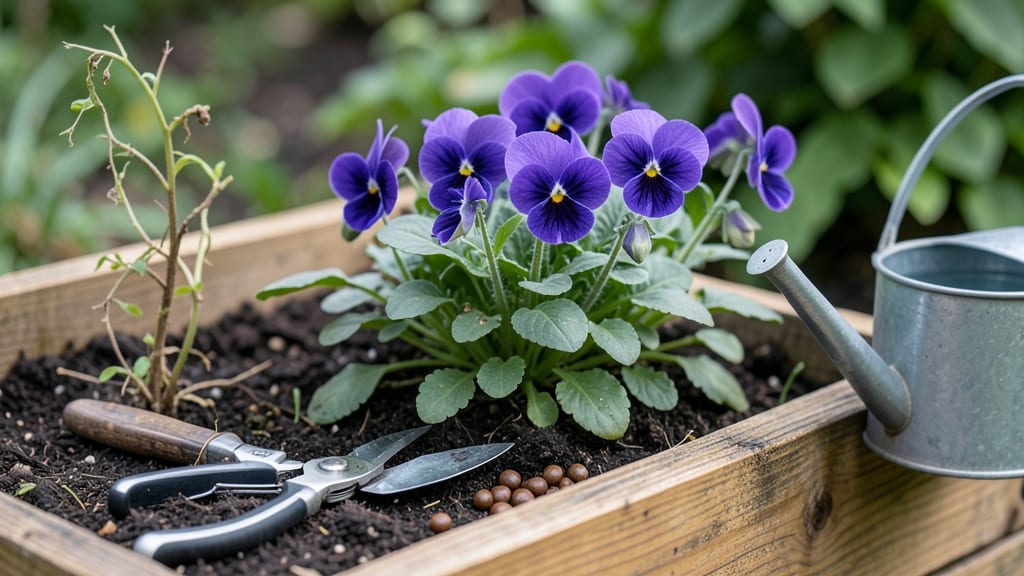
How to keep pansies from getting leggy—those long, sparse stems and stretched blooms are a sure sign your plants need help. 🌿 I’ve nursed back more than my share of these floppy beauties, and the fix is simpler than you’d think: light, pruning, and a little TLC. Most gardeners overlook the basics, but these three steps turn weak stems into sturdy, blooming bushes overnight.
The real culprits are too little sunlight and overcrowding. Pansies need 6-8 hours of sun daily—any less and they’ll stretch toward the light like kids reaching for cookies. If your plants are packed too tight, their competition for nutrients makes them leggy.
Thin them out to 6-8 inches apart, and watch those stems thicken up within a week.
Pruning is your secret weapon. Snip the leggy stems just above a leaf node, and the plant will branch out, producing bushier growth and more flowers. Deadhead spent blooms too—this encourages new flowers and prevents the plant from wasting energy on seed production.
Feed with a balanced fertilizer every 4-6 weeks, and you’ll have pansies that look like they’ve been on a growth spurt.
For quick fixes, move leggy plants to a sunnier spot immediately and give them a light trim to redirect their energy. If they’re still struggling, check for pests like aphids or whiteflies, which can stress plants.
With these adjustments, your pansies will bounce back—and stay compact—for weeks of vibrant color in your garden.
📚 In This Guide
- What you need
- Instructions
- Tips and common mistakes
- Wrapping up and next steps
What you need
- ● Pruning shears – Sharp, clean, and sterilized (bypass pruners work best; avoid dull tools that crush stems).
- ● Garden gloves – Durable, breathable (nitrile-coated for grip and protection from thorns or sap).
- ● Balanced fertilizer – 10-10-10 or 20-20-20 NPK ratio (follow label instructions for dilution).
- ○ Slow-release granular fertilizer – Optional but helpful (e.g., 14-14-14 or organic options like composted manure).
- ● Watering can or hose with a gentle spray nozzle – Avoid overhead watering (drip irrigation or soaker hoses are ideal).
- ● Mulch – Organic (straw, shredded leaves) or inorganic (gravel) (2–3 inches thick to retain moisture and regulate soil temp).
- ● Pansies (healthy, leggy plants) – Already in your garden or purchased from a nursery (choose disease-free varieties).
- ● Plant support stakes or cages – For varieties prone to flopping (bamboo stakes or tomato cages work well).
- ● Epsom salt (magnesium sulfate) – 1 tablespoon per gallon of water (helps with yellowing leaves or magnesium deficiency).
- ● Compost or worm castings – For organic nutrient boosts (mix into soil before planting or top-dress).
- ● Grow lights or shade cloth – If growing indoors or in hot climates (prevents stretching from lack of light).
- ● Spray bottle with water – For misting leggy seedlings (encourages sturdy growth).
Step-by-Step instructions for bushier pansies
Here's how I keep my pansies compact and blooming all season—no leggy stems in sight.
🌿 Step 1: Prune for Compact Growth
Leggy pansies need a hard cut back to reset their growth. Using clean, sharp scissors, snip the main stems back to just above the first set of healthy leaves. I always work in the morning so plants have all day to recover before evening. This shock encourages branching and forces energy into side shoots instead of stretching upward.
Don't cut too close to the base—leave at least 1-2 inches of stem. You'll see new growth within 7-10 days if you've pruned at the right spot. The key is removing the top third of the plant, which contains the growth hormones that cause elongation.
✂️ Step 2: Deadhead Regularly
Deadheading isn't just about looks—it redirects energy into new blooms. As soon as a flower fades, pinch it off with your thumb and forefinger or snip with scissors. I do this every 2-3 days during peak bloom season. The goal is to remove the entire spent bloom stem down to the next set of leaves.
Watch for buds forming at the base of the plant. These are your future blooms, and removing old flowers encourages them to open. Leggy growth often happens when plants put all their energy into seed production instead of new growth. Deadheading keeps them focused on flowering.
💧 Step 3: Feed for Stronger Stems
Leggy pansies often mean hungry pansies. I use a balanced 10-10-10 fertilizer diluted to half strength every 2-3 weeks during active growth. The secret is consistency—don't go heavy on nitrogen, which promotes leafy growth at the expense of flowers. Instead, I switch to a 5-10-10 formula when buds appear to encourage blooming.
Water deeply after feeding to help roots absorb nutrients. You'll notice stems thickening within a week if the fertilizer is working. Leggy plants often have weak stems because they're not getting enough nutrients to support upright growth. This step is where many gardeners go wrong—they feed too much or not enough.
☀️ Step 4: Adjust Light Exposure
Pansies need 4-6 hours of morning sun but can handle afternoon shade in hot climates. If your plants are stretching toward light, they're not getting enough. I rotate my containers a quarter turn weekly so all sides get even exposure. Leggy growth often signals insufficient light, especially in shaded areas.
In containers, move them to a sunnier spot if possible. You'll see leaves darken and stems thicken within a few days of better light. The trick is morning sun—afternoon heat can scorch pansies, but morning light gives them energy without stress. Mulch around the base to keep roots cool.
Tips & tricks for bushier pansies
Between us, these little tricks saved my pansies from turning into sad, leggy sticks last spring.
Timing Tip for Step 1: When pruning in Step 1, focus on removing the top third of the plant—not just the top leaves. The growth hormones that cause elongation live in that upper section. I always prune in the morning so plants have the full day to recover before evening. This timing makes all the difference in how quickly they bounce back.
Deadheading Discipline: The 2-3 day deadheading schedule in Step 2 is non-negotiable during peak bloom. I set a reminder on my phone because I've learned the hard way that skipping even one day lets those plants focus on seed production instead of new blooms. Watch for those little buds forming at the base—those are your future flowers, and removing old blooms encourages them to open.
Fertilizer Strategy: The switch from 10-10-10 to 5-10-10 when buds appear in Step 3 is what prevents leafy monsters. Too much nitrogen makes plants grow like weeds instead of producing flowers. I dilute both fertilizers to half strength—stronger concentrations can burn delicate pansy roots. Water deeply after feeding to help those nutrients reach the roots where they're needed most.
Light Exposure Hack: For containers, I rotate them a quarter turn weekly to ensure even light exposure. This prevents plants from stretching toward one light source. Morning sun is key—afternoon heat can scorch pansies, but that morning light gives them the energy they need without stress. If your plants are stretching, they're telling you they need more light, not less.
Pro Tips for Keep Pansies From Getting Leggy
- Between us, these little tricks saved my pansies from turning into sad, leggy sticks last spring.
- Timing Tip for Step 1: When pruning in Step 1, focus on removing the top third of the plant—not just the top leaves.
- Deadheading Discipline: The 2-3 day deadheading schedule in Step 2 is non-negotiable during peak bloom.
Frequently asked questions
Got questions about keeping your pansies compact and blooming? You’re not alone!
Here are answers to the most common concerns—so you can enjoy lush, bushy pansies all season long.
Why are my pansies getting leggy in the first place?
Leggy growth happens when pansies don’t get enough light or nutrients. If they’re stretched out and sparse, they’re likely reaching for sunlight or starving for fertilizer. Too much shade, inconsistent watering, or overcrowding can also trigger this. Fix it by moving them to 4–6 hours of sunlight daily and feeding them every 2–3 weeks with a balanced bloom booster.
How often should I prune leggy pansies?
Prune leggy stems every 2–4 weeks during the growing season (spring to fall). Cut just above a leaf node or bud to encourage branching. Avoid heavy pruning—aim for 1/3 of the plant max at a time. Pro tip: Do this on a cloudy day or late afternoon to reduce stress on the plant.
Can I use regular pruning shears, or do I need special tools?
Regular clean, sharp pruning shears (or even clean scissors) work fine! Just sterilize them with rubbing alcohol between cuts to prevent disease. Avoid dull tools—they can crush stems and invite pests. For large batches, bypass pruners are ideal, but a sharp knife in a pinch is better than nothing.
What’s the best fertilizer for preventing leggy growth?
Use a balanced, water-soluble fertilizer (like 10-10-10 or 20-20-20) diluted to half-strength. For extra blooms, switch to a high-phosphorus formula (e.g., 5-10-5) every 4–6 weeks. Warning: Over-fertilizing can burn roots—always water before and after applying!
Will leggy pansies recover if I fix the problem now?
Yes! Pansies are resilient. If you prune leggy stems, improve light, and fertilize, new growth will fill in within 2–4 weeks. For severe cases, consider pinching back (removing the top growth) to force bushier regrowth. Just be patient—consistency is key!
What if my pansies are already too leggy to save?
If they’re woody, sparse, or diseased, it’s time to replace them. Snip the leggy stems at the base, water the soil, and plant fresh pansies. Bonus: Use the cuttings to propagate new plants in water or soil—just root them in bright, indirect light until they sprout!
Wrapping up and next steps
Keeping your pansies bushy and vibrant is all about consistent care—pruning, deadheading, and feeding them right. With a little effort, you’ll enjoy lush, blooming plants that steal the show in your garden. 🌸
Ready to transform your leggy pansies? Start today—pick one tip to try this week, and watch your garden thrive! For more gardening tips, explore our propagation guides or share your progress with fellow plant lovers. Happy gardening! 🌱