
Shrubs
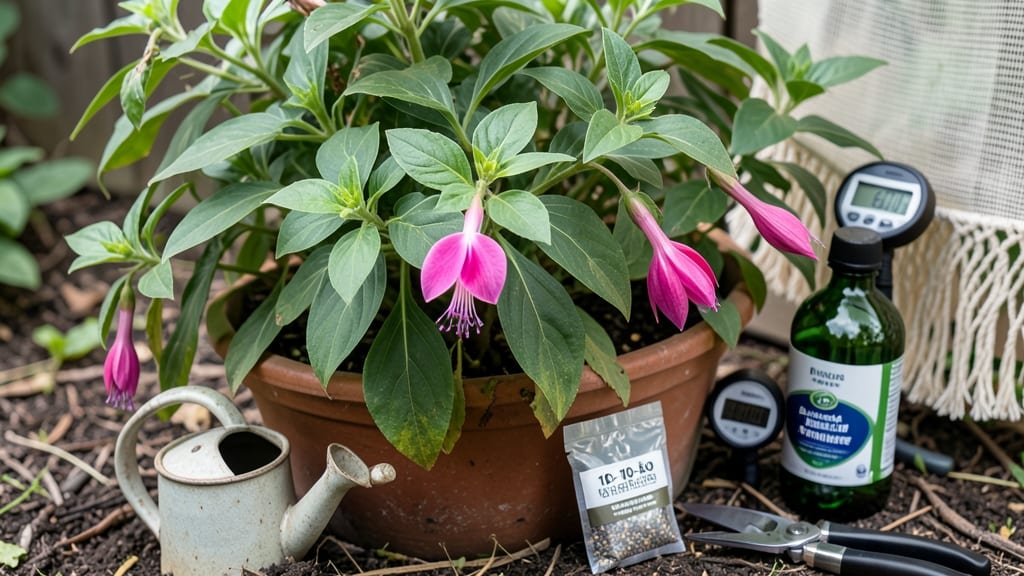
How to keep fuchsia flowering frustrates even the most patient gardeners—until you master the right techniques. 🌸 The secret to nonstop blooms isn’t magic—it’s pruning at the right time, feeding with the right nutrients, and keeping stress at bay. I’ve turned my fuchsias from sad, leafy sticks into blooming powerhouses using these three simple but critical steps.
Most gardeners overlook the fact that fuchsias bloom best when they're slightly root-bound and pruned properly. Start by cutting back leggy growth in early spring, then give them a balanced, low-nitrogen fertilizer every 4-6 weeks.
The key is consistency—skipping either pruning or feeding will stall those showy flowers. I also swear by deadheading spent blooms, which tricks the plant into producing more flowers instead of seed pods.
You'll notice the difference within 4-6 weeks—plants that looked half-dead suddenly burst with new blooms. The trickiest part is balancing moisture: too much causes rot, too little causes stress.
Aim for 1 inch of water per week, and always use well-draining soil. For indoor fuchsias, a south-facing window or grow light makes all the difference.
Outdoor fuchsias need afternoon shade in hot climates, while indoor varieties thrive with bright, indirect light. The biggest mistake? Letting them dry out completely or sitting in soggy soil.
Once you nail these basics, your fuchsias will flower continuously from spring until frost—and your neighbors will ask for cuttings. Here's exactly how to keep them blooming all season.
📚 In This Guide
- What you need
- Instructions
- Tips and common mistakes
- Wrapping up and next steps
What you need
- ● Fertilizer: Balanced liquid fertilizer (e.g., 10-10-10 or 20-20-20) – 1 gallon (for diluting as directed).
- ○ Slow-release granular fertilizer (optional but helpful for steady nutrition) – 1 lb per 10 sq ft.
- ● Pruning shears: Clean, sharp bypass pruners (to avoid crushing stems) – 1 pair.
- ● Deadheading tools: Small hand pruners or fingers (for pinching spent blooms).
- ○ Gloves (optional but recommended to avoid thorns or sap irritation).
- ● Watering can or hose: With a gentle spray nozzle (to avoid damaging delicate blooms).
- ● Mulch: Organic mulch (e.g., shredded bark, compost) – 2–3 inches (spread around the base).
- ● Containers (if potted): Well-draining pots with drainage holes – 12–18 inches in diameter (per plant).
- ● Potting mix designed for acid-loving plants (e.g., peat-based or fuchsia-specific blend).
- ● Phosphorus-rich fertilizer: (e.g., 5-10-10 or 7-9-5) – Boosts blooming! Use every 4–6 weeks.
- ● Epsom salt: 1 tbsp per gallon of water (for magnesium, which prevents yellowing leaves).
- ● Shade cloth: 30–50% coverage (to protect from harsh afternoon sun).
- ● Plant supports: Soft ties or cages (if your fuchsias grow tall or trail).
- ● Humidity tray: A shallow tray with pebbles and water (to increase moisture for potted fuchsias).
Step-by-Step guide to prolong fuchsia blooms
Here's how I've kept my fuchsias flowering nonstop for years—through pruning, feeding, and deadheading.
✂️ Step 1: Prune for Bushier Growth in Early Spring
Start pruning in late winter or early spring before new growth begins. Cut back each stem by one-third using clean, sharp pruners. I always sterilize my tools with rubbing alcohol first—this prevents bacterial infections that can weaken stems and reduce flowering.
Focus on removing any leggy or overgrown branches. You'll notice the plant looks sparse at first, but those cuts encourage lateral buds to form, which is where the most flowers appear. Never prune into old wood—look for green, pliable stems to cut. If you accidentally cut into woody stems, the plant may not regrow from that spot.
💧 Step 2: Feed with High-Phosphorus Fertilizer During Blooming Season
Fuchsias respond best to balanced, water-soluble fertilizer with a 5-10-5 or 10-20-10 ratio (the middle number indicates phosphorus, which promotes blooms). I apply this every two weeks from spring through summer, following the label instructions precisely. Overfeeding can burn roots, so I always dilute the fertilizer to half-strength when watering.
Watch for new growth and flower buds as your signal that the feeding is working. If leaves turn yellow or brown, you're overdoing it—flush the soil with plain water immediately. In fall, switch to a low-nitrogen fertilizer to encourage root development for winter hardiness.
🌿 Step 3: Deadhead Regularly to Encourage Continuous Blooms
Deadheading is the secret to nonstop blooms. As soon as a flower fades, pinch it off just above the next set of leaves or buds. I use my fingers for this—no need for pruners. The goal is to remove the spent bloom while leaving the energy in the plant for new growth.
You'll see new buds forming within 2-3 weeks of consistent deadheading. If you skip this step, the plant shifts energy into seed production instead of flowering. In late summer, reduce deadheading slightly to allow some flowers to set seed—this helps the plant prepare for dormancy.
☀️ Step 4: Adjust Light and Water for Optimal Conditions
Fuchsias thrive in morning sun and afternoon shade, especially in hot climates. If grown indoors, place them near an east-facing window where they get 4-6 hours of bright, indirect light daily. Too much direct sun causes leaves to scorch, while too little light leads to sparse blooms.
Water consistently to keep the soil evenly moist but never soggy. I check the top inch of soil daily—if it feels dry, it's time to water. Overwatering causes root rot, which kills the plant quickly. In fall, reduce watering gradually to prepare the plant for dormancy.
⏰ Step 5: Prepare for Dormancy in Fall and Winter
As temperatures drop below 50°F, fuchsias enter dormancy. Reduce watering and stop fertilizing entirely. Prune back any dead or damaged growth, but leave healthy stems intact—they'll regrow in spring. I wrap the pots in burlap to protect roots from freezing temperatures.
If growing outdoors in cold climates, dig up container plants and store them in a cool, dark place (like a garage) with 50-60°F temperatures. Check occasionally to ensure the soil stays slightly moist. With proper dormancy care, your fuchsias will burst into bloom again next spring.
Tips & tricks for keeping fuchsias flowering longer
Real talk: The difference between a fuchsia that blooms sporadically and one that stays in full flower for months comes down to these precise, often overlooked details.
Pruning Precision: When you're cutting back those stems by one-third in Step 1, focus on making clean cuts at a 45-degree angle just above a leaf node. This angled cut prevents water from pooling on the stem, which drastically reduces the risk of fungal infections. I've seen plants recover from poor pruning, but never from infections that started at sloppy cuts. The lateral buds you're encouraging to form will only develop properly if the cut is made cleanly and at the right angle.
Fertilizer Timing Secret: The two-week feeding schedule in Step 2 works perfectly when you time it with your watering routine. Always fertilize after watering—not before—so the roots have time to absorb moisture first. I've ruined plants by fertilizing dry soil, which burns the roots instantly. Also, watch for those new growth signals: if you see fresh leaves appearing after feeding, you're on track. If not, you might need to increase the phosphorus ratio slightly (try 10-20-10 if you're not seeing buds).
Deadheading Discipline: That 2-3 week window for new buds to form in Step 3 is your golden opportunity, but only if you're consistent. I've trained myself to check my fuchsias every morning after breakfast—it takes about 5 minutes to deadhead an entire plant. The key is removing the entire spent bloom down to the first set of leaves, not just the flower head. This redirects all the plant's energy toward producing more flowers instead of seeds. In late summer, I reduce deadheading by about 30% to let some flowers go to seed naturally, which helps the plant prepare for dormancy.
Light Conditioning: For those 4-6 hours of light in Step 4, think of it as a daily workout for your fuchsia. If you notice leaves turning pale or stretching toward the light (a condition called etiolation), it's getting too little light. Rotate your plant a quarter turn every few days so all sides get equal exposure. For indoor plants, supplement with a grow light if natural light is insufficient—just 6 hours of artificial light can make all the difference during winter months when days are short.
Pro Tips for Keep Fuchsia Flowering
- Real talk: The difference between a fuchsia that blooms sporadically and one that stays in full flower for months comes down to these precise, often overlooked details.
- Pruning Precision: When you're cutting back those stems by one-third in Step 1, focus on making clean cuts at a 45-degree angle just above a leaf node.
- Fertilizer Timing Secret: The two-week feeding schedule in Step 2 works perfectly when you time it with your watering routine.
Frequently asked questions
Got questions about keeping your fuchsias blooming like a pro? Here are some of the most common ones—and their answers—to help you troubleshoot and enjoy those stunning flowers all season long!
Why aren’t my fuchsias flowering at all?
If your fuchsias are putting out leaves but no blooms, they might be getting too much nitrogen (which fuels foliage growth) or not enough sunlight. Switch to a balanced, phosphorus-rich fertilizer (like 10-20-10) and move them to a spot with 4–6 hours of morning sun. Overwatering or root-bound pots can also stall blooms—check your soil and repot if needed.
When is the best time to prune for more flowers?
Prune fuchsias right after they finish blooming (typically late spring or early summer) to encourage a second flush of flowers. Give them a light trim to shape them and remove any leggy stems. Avoid heavy pruning in fall—just tidy up dead growth. Pro tip: Use clean, sharp shears to prevent disease!
Can I deadhead fuchsias, and how often?
Yes! Deadheading (removing spent blooms) extends flowering by redirecting energy to new buds. Snip off faded flowers just above a set of leaves or a leaf node. Do this every 1–2 weeks during peak bloom. For trailing varieties, a quick pinch of the stem below the flower cluster works too. Bonus: Wear gloves—fuchsia sap can irritate skin!
What should I do if my fuchsias flower but then stop suddenly?
Sudden bloom cessation often signals stress—check for these culprits:
- Underwatering or overwatering: Let soil dry slightly between waterings.
- Temperature swings: Fuchsias thrive in 60–75°F; extreme heat or cold shocks them.
- Pests: Inspect for aphids, spider mites, or whiteflies (spray with neem oil if found).
- Nutrient deficiency: Feed with a low-nitrogen fertilizer every 4–6 weeks.
Can I grow fuchsias in containers, and how does that affect blooming?
Container-grown fuchsias often bloom more prolifically because you control their environment. Use a well-draining pot (at least 10 inches wide) and moisture-retentive soil. Keep them consistently hydrated (containers dry out faster) and fertilize every 2–3 weeks during growing season. Pro tip: Elevate pots to improve airflow and reduce fungal risks!
Wrapping up and next steps
Keeping your fuchsias blooming beautifully is all about a little care and consistency!
With the right balance of pruning, feeding, and deadheading, you’ll enjoy vibrant flowers all season long. 🌸 Don’t forget to tailor your approach to your climate and plant type—your fuchsias will thank you with a stunning display.
Ready to put these tips into action? Grab your pruners and get growing—your garden (and your fuchsias!) will love the results. Happy gardening! 🌿