
How To
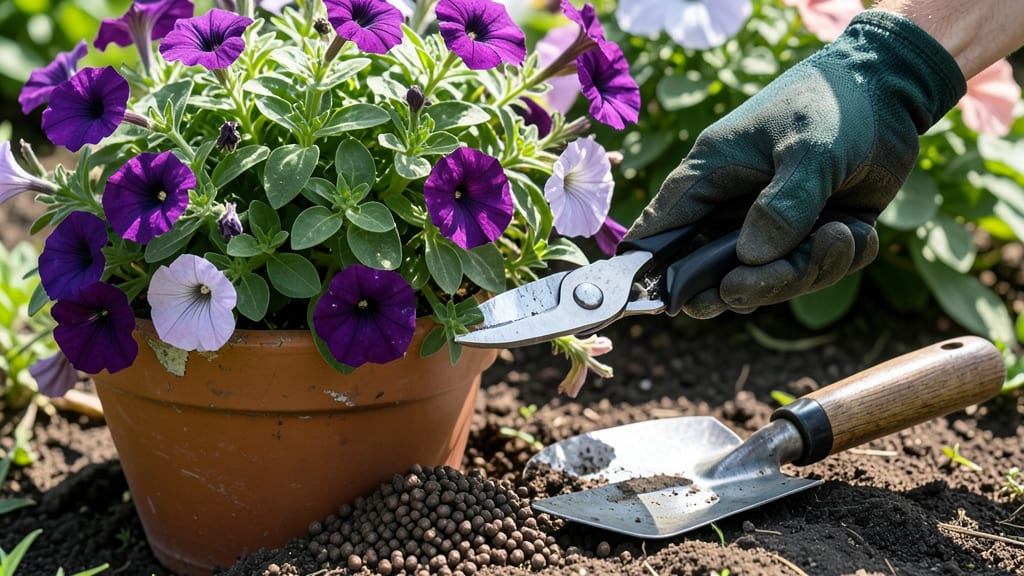
Your petunias look like they’re holding back—thin stems and sparse blooms. 🌸 The secret to fuller growth isn’t magic; it’s pruning, feeding, and deadheading the right way. I’ve turned my once-lanky petunias into lush, overflowing bushes by following these three simple steps, and you can too.
Most people skip pruning, but pinching back stems early forces plants to branch out. A balanced fertilizer with equal parts nitrogen, phosphorus, and potassium keeps them strong, while deadheading spent blooms redirects energy to new flowers. Even in small pots, petunias respond dramatically when given the right care.
By mid-summer, your plants will be bursting with color, their stems thick with side shoots and flowers. The difference is night-and-day compared to neglected bushes. And the best part? It takes just 10 minutes a week to keep them thriving all season.
Overcrowded pots or pests can still sabotage your progress, but I’ll show you how to spot those issues early. Let’s get those petunias looking like they belong in a garden center display!
📚 In This Guide
- What you need
- Instructions
- Tips and common mistakes
- Wrapping up and next steps
What you need
- ● Petunias: Healthy, established plants (check for pests or disease before starting).
- ○ Pruning shears or sharp scissors: Clean, sterilized tools (rubbing alcohol works) to avoid spreading disease. Optional: Small hand pruners for delicate trimming.
- ● Gloves: Gardening gloves to protect hands from thorns or dirt.
- ○ Balanced fertilizer (10-10-10 or 20-20-20): 2-3 tablespoons per plant (follow package instructions). Optional: Slow-release granules for convenience.
- ● Watering can or hose with a gentle spray nozzle: For even hydration without damaging blooms.
- ○ Compost or well-aged manure: 1-2 cups per plant to enrich soil (optional but highly recommended).
- ● Plant growth regulator (e.g., paclobutrazol): Diluted to label specs to encourage bushier growth (use sparingly).
- ● Mulch (straw or shredded bark): 1-2 inches thick to retain moisture and suppress weeds.
- ● Epsom salt (magnesium sulfate): 1 tablespoon dissolved in 1 gallon of water for a nutrient boost (every 4-6 weeks).
- ● Support stakes or cages: For tall varieties to prevent flopping as they fill out.
Step-by-Step instructions for making petunias fuller
Here's how to transform leggy, sparse petunias into lush, bushy bloomers in just a few weeks.
✂️ Step 1: Prune Back Leggy Growth
Start by examining your petunias for long, bare stems reaching upward. These leggy stems steal energy from producing flowers and compact growth. Using clean, sharp pruning shears, cut back these stems to about 2-3 inches above a leaf node—this is where new side branches will emerge.
Don't worry if it looks drastic at first. Petunias bounce back quickly, and you'll see new growth within 7-10 days. Always prune in the morning so cuts have time to heal before evening. Avoid cutting into woody stems—focus on soft, green growth only.
💧 Step 2: Water Deeply After Pruning
After pruning, water your petunias at the base until water runs out the drainage holes. This ensures the plant has enough moisture to recover and support new growth. Petunias need about 1 inch of water per week, but check soil moisture—if the top 1 inch feels dry, it's time to water.
Watering deeply encourages roots to grow deeper, making the plant more stable and resilient. Avoid wetting the leaves to prevent fungal diseases. You'll know you're doing it right when the soil stays consistently moist but not soggy.
🌿 Step 3: Apply Balanced Fertilizer
Feed your petunias with a balanced, water-soluble fertilizer (like 10-10-10) diluted to half strength. Apply it every 2-3 weeks during the growing season. Fertilizer encourages lush foliage and abundant blooms, but too much can burn roots—always follow package instructions.
Look for new leaves forming near the pruned stems within 1-2 weeks. This is your signal that the fertilizer is working. If you notice yellowing leaves, flush the soil with water to avoid salt buildup from over-fertilizing.
⏰ Step 4: Deadhead Regularly
Deadheading—removing spent blooms—redirects the plant's energy from seed production to growing more flowers. Pinch off faded blooms with your fingers or trim them just above the next set of leaves. Do this every 2-3 days during peak bloom to keep your petunias looking full and vibrant.
You'll see a noticeable difference in 10-14 days as new buds form where old flowers once were. Deadheading also prevents the plant from becoming leggy again by encouraging bushier growth. If you miss a few blooms, don't stress—just keep up with it moving forward.
☀️ Step 5: Ensure Proper Light and Spacing
Petunias thrive in full sun (6+ hours daily), but if they're in partial shade, they may become sparse. Move them to a sunnier spot if possible, or supplement with a grow light if indoors. Proper light ensures strong stems and abundant blooms.
Check that your petunias aren't crowded. If they're planted too closely, they compete for nutrients and light, leading to weaker growth. Space them about 12-18 inches apart to allow air circulation and prevent disease. You'll see fuller, healthier plants within a few weeks of adjusting their environment.
Tips & tricks for reviving leggy petunias
Real talk: I've seen petunias go from sad and sparse to bursting with blooms in just a few weeks—here's how to make it happen without losing your patience.
Timing is Everything: In Step 1, when you're pruning those leggy stems, focus on cutting just above a leaf node where new growth will sprout. The 7-10 day window for new growth is critical—this is when those side branches will start forming. If you see no new leaves after 10 days, you might have cut too close to woody stems. Don't panic, though—just trim again at the next leaf node.
Watering Wisdom: That 1 inch of water per week guideline in Step 2 is non-negotiable, but here's what nobody tells you: Check soil moisture with your finger. If the top inch feels dry, water immediately—petunias hate drought stress. For container plants, you'll likely need to water every 2-3 days in hot weather. And always water at the base to keep those leaves dry and disease-free.
Fertilizer Finesse: When you're applying that balanced fertilizer every 2-3 weeks, I've found the secret lies in consistency. Mix your fertilizer with water and apply it in the morning so the leaves have time to dry before evening. If you notice yellowing leaves after fertilizing, flush the soil with plain water to remove excess salts. This happens more often than you'd think—especially with concentrated fertilizers.
Deadheading Discipline: The 2-3 days between deadheading sessions in Step 4 is perfect for keeping your petunias in peak bloom. Here's my trick: Set a phone reminder for every 3 days during peak season. When you deadhead, look for those tiny buds forming at the base of spent blooms—those are your future flowers! If you miss a few blooms, don't worry—just keep up with the routine and you'll see new buds forming within 10-14 days.
Pro Tips for Make Petunias Fuller
- Real talk: I've seen petunias go from sad and sparse to bursting with blooms in just a few weeks—here's how to make i...
- Timing is Everything: In Step 1, when you're pruning those leggy stems, focus on cutting just above a leaf node where...
- Watering Wisdom: That 1 inch of water per week guideline in Step 2 is non-negotiable, but here's what nobody tells yo...
Frequently asked questions
Got questions about making your petunias fuller and more lush?
You’re not alone! Here are some of the most common queries—plus quick, actionable answers to help your flowers thrive.
How often should I prune petunias for fuller growth?
Prune petunias lightly every 2–4 weeks during the growing season (spring to fall). Avoid over-trimming—just snip back leggy stems by about ⅓ to encourage bushier branching. Pro tip: Use clean, sharp shears to prevent disease!
Can I prune petunias in the fall or winter?
Nope! Prune petunias only when they’re actively growing (spring through summer). Fall/winter pruning stresses the plant and can lead to weak regrowth. Instead, clean up dead foliage in early spring to prep for new growth.
What’s the best fertilizer for bushier petunias?
Use a balanced, water-soluble fertilizer (like 10-10-10 or 20-20-20) every 2–4 weeks during blooming season. For extra fullness, switch to a low-nitrogen, high-phosphorus formula (e.g., 5-10-5) to boost flowering. Bonus: Slow-release granules work great too!
My petunias are still sparse after pruning. What am I doing wrong?
Check these fixes:
- Light: Petunias need 6+ hours of sun daily—move to a sunnier spot if blooms are sparse.
- Water: Keep soil consistently moist (not soggy) to avoid stress.
- Deadheading: Remove spent blooms daily to redirect energy to new growth.
- Overcrowding: Thin plants if they’re competing for nutrients.
Are there petunia varieties that naturally grow fuller?
Yes! Try grandiflora or multiflora varieties—they’re bred for dense, bushy habits. Compact types like ‘Wave’ or ‘Supertunia’ also thrive with minimal pruning. For trailing petunias (e.g., ‘Tumbling Waters’), focus on pinching tips to encourage branching.
Wrapping up and next steps
Growing fuller, bushier petunias is all about consistency—pruning, deadheading, and feeding your plants the right way! With the right techniques, you’ll soon enjoy a vibrant, lush display that turns heads in your garden. 🌸
Ready to see the results? Start small—pick one technique this week, like deadheading spent blooms, and watch your petunias thrive! Soon, you’ll be the proud gardener with the fullest, most stunning petunias on the block.