
Pruning
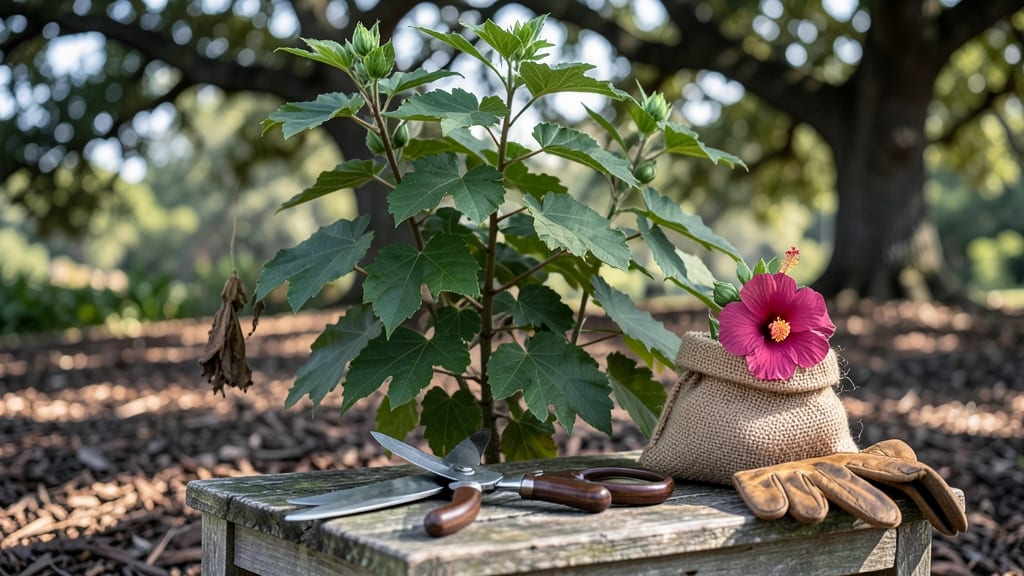
That single pinch keeps your hardy hibiscus blooming all summer. 🌸 Deadheading isn't just about looks—it redirects energy from spent flowers to new buds, giving you weeks of vibrant blooms instead of one-off bursts.
My first attempt left me with leggy stems, but once I mastered the technique, my plants went from occasional blooms to continuous color.
You only need two things: sharp pruners (or clean fingers) and a sunny morning. The goal is simple—remove faded blooms down to the next set of leaves or bud, never leaving stubs.
Hardy hibiscus reward this care with 3-4 weeks of continuous blooms per season, while tropical varieties need a different approach entirely. That's the key difference most gardeners miss.
After deadheading, watch for new buds forming within 7-10 days. The plant focuses energy on growth rather than seed production, resulting in thicker foliage and more flowers. For beginners, start with just one or two stems to practice—you'll see the difference immediately in how quickly your plant responds.
Timing matters most: deadhead right after blooms fade but before seed pods form. Do this every 2-3 weeks throughout the growing season, and your hibiscus will keep blooming until frost. The secret weapon? Consistency—skip a cycle, and you'll lose that steady bloom train.
📚 In This Guide
- What you need
- Instructions
- Tips and common mistakes
- Wrapping up and next steps
What you need
- ● Clean, sharp pruning shears – Bypass pruners (4-6" blades) for precision cuts; avoid dull tools that crush stems.
- ● Rubbing alcohol (70% isopropyl) or bleach solution – 1 part bleach to 9 parts water (for sterilizing tools between cuts).
- ○ Gloves (optional but recommended) – Lightweight gardening gloves to protect hands from thorns or sap.
- ● Trash bag or bucket – For disposing of spent blooms and debris.
- ○ Water spray bottle (optional) – To mist stems post-pruning for stress relief.
- ● Hand lens or magnifying glass – For spotting hidden pests or diseased stems before pruning.
- ● Pruning saw (for thick stems) – If your hibiscus has woody stems >1/2" thick.
- ● Compost bin – To recycle healthy plant clippings.
- ● Plant food (balanced 10-10-10 or hibiscus-specific) – A pinch after pruning boosts regrowth.
- ● Choose the right time – Deadhead in the morning when blooms are dry (avoid evening dampness).
- ● Wait for spent blooms – Only prune after flowers wilt and turn brown (never green buds!).
- ● Check weather – Avoid pruning if rain is forecasted within 24 hours.
Step-by-step instructions for deadheading hardy hibiscus
Here's the precise method I use to keep my hibiscus blooming nonstop all summer.
✂️ Step 1: Identify the Right Blooms to Trim
Focus only on spent flowers with wilted petals and exposed seed pods. These are the ones that sap energy from new blooms. I always check the center first—if it's turning brown and crispy, that's your signal to act. Wait until the next morning after a bloom wilts to avoid cutting healthy buds still developing.
Look for the 5-petal signature of hibiscus blooms. When the center turns brown and the petals droop, that's your exact moment to deadhead. Never cut into green buds or you'll remove potential future flowers. The goal is to redirect the plant's energy into fresh growth, not sacrifice potential blooms.
✂️ Step 2: Use the Pinch Technique for Clean Removal
Grasp the spent bloom between your thumb and forefinger, about ½ inch above the next set of leaves. This is where new growth will emerge. Pinch sharply with a quick motion—no need for pruners unless the stem is woody. The pinch should be clean and decisive; hesitation leads to ragged cuts that invite disease.
I always make this cut at a 45-degree angle just above a leaf node. This angled cut prevents water from pooling on the stem, which could rot the plant. If you're using pruners, sterilize them first with rubbing alcohol to prevent spreading any fungal spores between cuts.
☀️ Step 3: Maintain the Plant's Energy Balance
After deadheading, water the plant deeply to help it recover. The roots need moisture to support the new growth you've just encouraged. I always check the soil first—if it's dry 1-2 inches down, that's when I water. Overwatering now can drown the plant while it's redirecting energy.
Watch for new buds forming within 7-10 days at the pinch points. These will be your next blooms. If you notice yellowing leaves after deadheading, it's a sign of over-pruning. Hardy hibiscus can handle aggressive deadheading, but even they have limits—never remove more than ⅓ of the plant's foliage in one session.
⏰ Step 4: Establish a Regular Deadheading Schedule
Create a routine of checking your hibiscus every 2-3 days during peak bloom season. I set a reminder on my phone for every Tuesday and Friday—consistency is key. The more frequently you remove spent blooms, the more energy the plant has to produce new ones.
As summer progresses, you'll notice a pattern in your plant's blooming cycle. Some varieties bloom continuously, while others have 2-3 week bursts followed by rest periods. Adjust your deadheading schedule to match—don't prune during these natural rest periods or you'll stunt future blooms.
Tips & tricks for perfect hibiscus deadheading
Here's what I learned after years of watching my hibiscus plants thrive—and how to avoid the mistakes that cost me blooms.
The Timing Secret: The next morning after a bloom wilts is your golden window. I've learned this the hard way—cutting too early can remove buds still developing, while waiting too long means the plant wastes energy on seed production. Check the center first: if it's brown and crispy, that's your cue. The 5-petal signature of hibiscus makes this easy—once the petals start drooping, count that as your 2-minute window to act.
Technique Tip: That ½-inch pinch above the next set of leaves is everything. I used to cut randomly, and my plants never rebloomed as well. The key is the leaf node—this is where new growth emerges. Make that 45-degree angle cut just above it, and you'll see buds forming within 7-10 days. For stubborn stems, use sterilized pruners, but your fingers work perfectly for most hibiscus varieties. The sharper the pinch, the cleaner the cut—and cleaner cuts mean less stress on the plant.
Energy Balance: After deadheading, your hibiscus needs a moisture boost to support new growth. I check soil moisture by sticking my finger 1-2 inches down—if it feels dry, that's when I water deeply. Overwatering now can drown the plant while it's redirecting energy to new blooms. Watch for yellowing leaves as your warning sign—this means you've over-pruned. Remember, never remove more than ⅓ of the foliage in one session, even with hardy hibiscus.
Schedule Strategy: Consistency is your secret weapon. I set phone reminders for every 2-3 days during peak bloom season because hibiscus respond best to regular maintenance. Some varieties bloom continuously, while others have 2-3 week bursts followed by rest periods. Pay attention to your plant's natural rhythm—pruning during rest periods will actually stunt future blooms. The more frequently you remove spent blooms, the more energy your plant has to produce new ones, and that's when you'll see nonstop summer blooms.
Pro Tips for Deadhead Hardy Hibiscus
- Here's what I learned after years of watching my hibiscus plants thrive—and how to avoid the mistakes that cost me blooms.
- The Timing Secret: The next morning after a bloom wilts is your golden window.
- Technique Tip: That ½-inch pinch above the next set of leaves is everything.
Frequently asked questions
Got questions about deadheading your hardy hibiscus? You’re not alone! Here are some of the most common concerns—plus quick, expert-backed answers to keep your plants thriving.
When is the best time of day to deadhead hardy hibiscus?
Deadhead in the morning on a dry day—this gives flowers time to heal before evening moisture sets in. Avoid midday heat, which can stress the plant. Early mornings also help prevent pests from latching onto fresh cuts.
How often should I deadhead my hardy hibiscus?
Check blooms daily during peak flowering (spring to fall). Remove faded flowers immediately to encourage new growth. Over time, you’ll notice a rhythm—some plants need weekly deadheading, while others thrive with biweekly maintenance.
What if I forget to deadhead? Will my hibiscus still bloom?
Don’t worry! Hardy hibiscus are forgiving. If you skip deadheading, the plant may still produce some blooms, but they’ll be fewer and less vibrant. Regular deadheading redirects energy to bigger, brighter flowers—so think of it as a quick reset for your plant’s productivity.
Can I deadhead hardy hibiscus after rain?
Wait 24–48 hours after rain to deadhead. Wet stems or tools can spread disease, and soggy soil makes it harder for cuts to heal. If you must prune post-rain, sterilize your shears with rubbing alcohol first and avoid touching healthy blooms.
What if my hibiscus leaves turn yellow after deadheading?
Yellowing leaves usually signal over-pruning or stress. If this happens, check your cuts: they should be clean and just above a leaf node. Avoid cutting into woody stems—focus on soft, green growth. Yellow leaves may also mean nutrient deficiency; fertilize lightly with a balanced formula if needed.
Are there alternatives to deadheading?
Yes! If deadheading feels tedious, try selective pruning—trim only the most faded blooms. You can also pinch back leggy stems in early spring to encourage bushier growth. Just avoid heavy pruning in late summer, as it may stunt fall blooms.
Wrapping up and next steps
Deadheading your hardy hibiscus doesn’t have to be a chore—it’s a quick, rewarding way to keep your plant thriving and blooming all season long! 🌸 With just a few minutes and a simple pinch, you’ll encourage lush foliage and vibrant flowers while preventing seed pods from draining your plant’s energy.
Now that you’ve mastered the technique, grab those pruners and watch your hibiscus shine.
Ready for even more tips? Explore our guide on fertilizing hardy hibiscus to give your plant the extra nutrients it needs to reward you with stunning, long-lasting blooms!