
Blooming
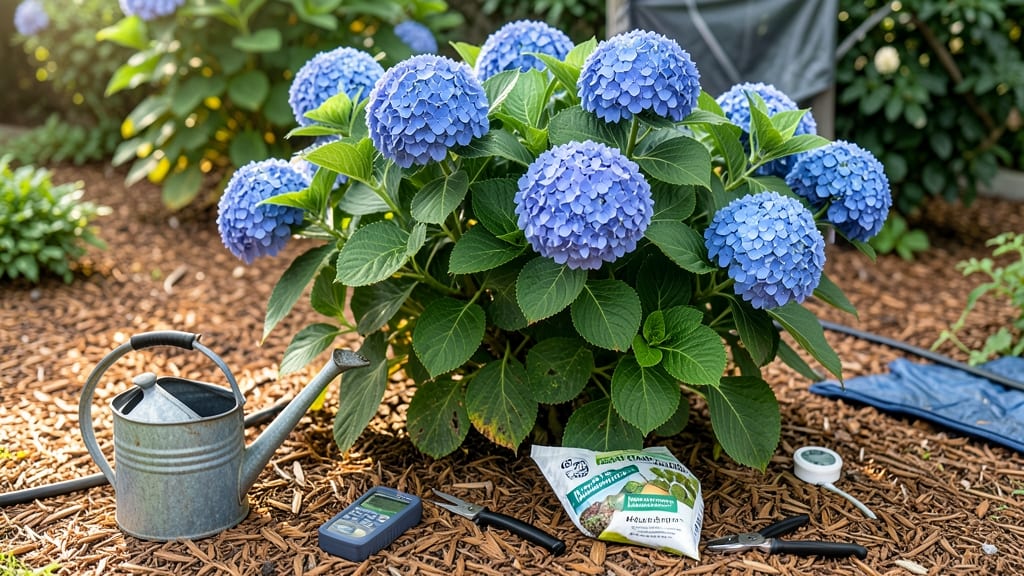
How to keep hydrangeas blooming all summer—that’s the dream. 🌸 Last summer, my mophead hydrangeas put on a show for months, while my neighbor’s faded by July. The difference? A few key moves that keep them blooming until frost. Pruning and deadheading aren’t just chores—they’re the secret to long-lasting color. Cut back spent blooms, shape the plant right after flowering, and feed with the right nutrients. I’ll show you exactly when and how, so your hydrangeas stay vibrant instead of wilting. You’ll end up with bold, healthy blooms that turn heads all season. The soil pH even affects color—blue or pink? I’ll cover that too. Plus, we’ll tackle pests and diseases before they ruin your progress. Works for both mopheads and panicle types, whether you’re in a hot climate or cooler zone. Let’s make sure your hydrangeas steal the show all summer long.
📚 In This Guide
- What you need
- Instructions
- Tips and common mistakes
- Wrapping up and next steps
What you need
- ● Pruning shears or bypass pruners – Sharp, clean, and sterilized (1 pair). Avoid dull tools that crush stems.
- ● Garden gloves – Heavy-duty, cut-resistant (1 pair) to protect hands from thorns and sap.
- ● Balanced hydrangea fertilizer – 10-10-10 or 12-12-12 NPK ratio (2–3 lbs per 10 sq ft of garden). Look for micronutrients like magnesium and iron for vibrant blooms.
- ○ Slow-release granular fertilizer – Optional but ideal (e.g., Osmocote or similar) for steady nutrient release.
- ● Watering can or hose with adjustable nozzle – 1–2 gallons capacity for deep watering (aim for 1–1.5 inches per week).
- ● Mulch (organic or inorganic) – 2–3 inches thick (e.g., shredded bark, pine straw, or black plastic).
- ● pH test kit – Liquid or soil test strips to check pH (hydrangeas thrive in 5.2–6.0 for blue blooms or 6.0–7.0 for pink).
- ● Aluminum sulfate or hydrated lime – For adjusting pH (1–2 lbs per 100 sq ft, as needed).
- ● Pruning saw – For thick stems (if your hydrangea is over 1 inch in diameter).
- ● Epsom salt (magnesium sulfate) – 1 tbsp per gallon of water for yellowing leaves (sign of magnesium deficiency).
- ● Compost or worm castings – 1–2 inches mixed into soil for organic nutrient boost.
- ● Drip irrigation system – Automates watering for consistent moisture (especially in hot climates).
- ● Plant support stakes or cages – If your hydrangea grows tall or top-heavy (e.g., panicle types).
Step-by-Step instructions for pruning, feeding, and deadheading hydrangeas
Here's how I keep my hydrangeas blooming nonstop—no fancy tricks, just consistent care.
✂️ Step 1: Prune Correctly After the First Frost
Wait until late fall or early winter when the plant is fully dormant. Hydrangeas bloom on old wood (last year's growth) or new wood (current year's growth), and pruning at the wrong time can mean no flowers. For most varieties like Bigleaf or Oakleaf, cut back stems to 2-3 inches above the ground—this encourages fresh, vigorous growth for next season.
For Panicled or Smooth hydrangeas that bloom on new wood, prune in late winter or early spring by cutting back 1/3 of the oldest stems to the ground. I always use sharp, clean pruners to avoid tearing stems, which invites disease. If you're unsure which type you have, wait until after the first flush of blooms appears in spring to prune.
🌱 Step 2: Feed with Balanced Fertilizer in Early Spring
Once new growth appears in spring, feed your hydrangeas with a balanced 10-10-10 fertilizer or a hydrangea-specific formula. I scatter granules around the base of the plant and water them in deeply. This gives them the nutrients they need to develop strong stems and abundant blooms. For blue-flowered varieties, add aluminum sulfate (1 tablespoon per gallon of water) every 4-6 weeks during the growing season to maintain color.
Over-fertilizing leads to lush foliage but fewer blooms, so follow package instructions carefully. I also top-dress with 2-3 inches of compost in early spring to improve soil health naturally. The key is consistency—hydrangeas respond best to steady feeding rather than heavy doses.
💧 Step 3: Water Deeply and Consistently
Hydrangeas love moisture but hate soggy roots. Water deeply 1-2 times per week, soaking the soil to a depth of 12 inches. You'll know it's enough when water runs out the drainage holes. Mulch around the base with 2-3 inches of organic mulch (like shredded bark) to retain moisture and regulate soil temperature. This is especially important in hot climates where soil dries out quickly.
Yellowing leaves or wilting buds signal underwatering. If you notice this, increase watering gradually. Avoid overhead watering in the evening, as damp foliage can lead to fungal issues. Instead, water at the base early in the day so leaves dry quickly.
✂️ Step 4: Deadhead Regularly for Continuous Blooms
As soon as flowers fade, snip off the spent blooms with clean pruners. This encourages the plant to produce new flowers instead of setting seed. For Bigleaf hydrangeas, cut back to the first set of healthy leaves below the faded bloom. For Panicled or Smooth types, trim just above a leaf node or bud to promote branching.
I deadhead every 2-3 weeks throughout the summer. This keeps the plant looking tidy and stimulates fresh growth. If you miss a few blooms, don’t stress—hydrangeas are forgiving. Just keep up with regular deadheading, and you’ll enjoy nonstop color until frost.
☀️ Step 5: Protect from Harsh Elements
Hydrangeas thrive in partial shade to full sun, but afternoon shade in hot climates prevents leaf scorch. If your plant is in a sunny spot, watch for leaves curling or browning—this means it’s getting too much direct sun. Move it to a slightly shadier location if needed.
In winter, protect young plants or those in cold climates with 2-3 inches of mulch around the base. This insulates the roots and prevents temperature fluctuations. I also avoid pruning in late summer or fall, as new growth won’t harden off before winter and may die back.
Tips & tricks for perfect hydrangea care
Here's what nobody tells you about keeping those blooms vibrant all season long.
Pruning Precision: When you're pruning those Bigleaf or Oakleaf varieties in Step 1, aim for clean cuts just above a set of healthy leaves or buds. This is where new growth will emerge, and it prevents those ugly stubs that can invite disease. I always make my cuts at a 45-degree angle about 1/4 inch above the leaf node—this little detail makes all the difference for healthy regrowth. The key is patience: if you're unsure about your variety, wait until after the first flush of blooms in spring to prune.
Fertilizer Timing: In Step 2, that 10-10-10 fertilizer should go on when you see those first tender green leaves pushing through the soil—not before. This is when your hydrangeas are ready to use those nutrients for vigorous growth. For blue varieties, I mix that 1 tablespoon of aluminum sulfate into my watering can and apply it every 4-6 weeks during growing season, always watering it in thoroughly. The secret here is consistency: too much too soon leads to leafy growth with no flowers.
Watering Wisdom: That 12-inch deep soak in Step 3 is non-negotiable, especially in hot weather. I test this by sticking my finger in the soil—if it's dry past my first knuckle, it's time to water. For container-grown hydrangeas, I check the drainage holes: if water runs out immediately, they need a drink. Mulching with 2-3 inches of organic material helps maintain that moisture, but don't pile it against the stems—keep it about 2 inches away to prevent rot.
Deadheading Done Right: When you're deadheading every 2-3 weeks in Step 4, look for the first set of healthy leaves below the faded bloom—that's your target cut point. For Panicled types, I trim just above a leaf node or bud to encourage branching. The key visual cue is the leaf axil (where leaf meets stem)—this is where new growth will emerge. And here's a pro tip: wear gloves when deadheading—hydrangea sap can be irritating to some skin.
Pro Tips for Keep Hydrangeas Blooming All Summer
- Here's what nobody tells you about keeping those blooms vibrant all season long.
- Pruning Precision: When you're pruning those Bigleaf or Oakleaf varieties in Step 1, aim for clean cuts just above a set of healthy leaves or buds.
- Fertilizer Timing: In Step 2, that 10-10-10 fertilizer should go on when you see those first tender green leaves pushing through the soil—not before.
Frequently asked questions
Got questions about keeping your hydrangeas in bloom all summer? Here are answers to the most common ones—so you can enjoy those lush, colorful blooms without the guesswork!
Why are my hydrangeas dropping buds before they open?
Bud drop is often caused by uneven moisture—hydrangeas hate drying out or sitting in soggy soil. Water deeply 2-3 times per week (more in heatwaves) and mulch to retain moisture. Also, check for over-pruning—if you cut back last year’s stems too early, blooms may abort. For mophead and lacecap types, prune right after flowering.
Can I prune hydrangeas in summer to encourage more blooms?
Yes, but only light pruning! Deadhead spent blooms regularly to redirect energy to new flowers. For reblooming varieties (like 'Endless Summer'), you can trim back up to 1/3 of the stems in early summer—but avoid heavy pruning after mid-July, or you’ll sacrifice fall blooms.
How do I know if my hydrangeas are getting enough water?
Stick your finger 2 inches into the soil—if it’s dry, it’s time to water. Hydrangeas need 1-1.5 inches of water per week, either from rain or irrigation. Yellowing leaves or drooping blooms are red flags. For container-grown hydrangeas, water daily in extreme heat—they dry out faster!
Are there any natural ways to boost bloom size without chemicals?
Use compost or organic mulch (like shredded bark) to feed roots slowly. A balanced organic fertilizer (like fish emulsion or bone meal) in early spring and mid-summer works wonders. Epsom salt (1 tbsp per gallon of water) can also enhance blooms—just spray foliage monthly for a magnesium boost.
What pests should I watch for that can ruin my hydrangeas?
Keep an eye out for aphids, spider mites, and slugs. Aphids leave sticky residue on leaves—blast them off with water or use neem oil. Spider mites cause yellow stippling; increase humidity with a light misting. For slugs, set out beer traps or use copper barriers. Prevention is key—healthy plants resist pests better!
Wrapping up and next steps
With the right care, your hydrangeas can burst with color all summer long! 🌸 Focus on pruning at the right time, feeding with balanced fertilizer, and deadheading regularly—these simple steps will keep those blooms thriving.
Don’t forget to water deeply and protect them from harsh sun or pests.
Now that you’re armed with the know-how, grab your shears and get growing! Start with one plant this season, and soon you’ll have a lush, blooming garden that turns heads. Happy gardening! 🌿