
Pruning
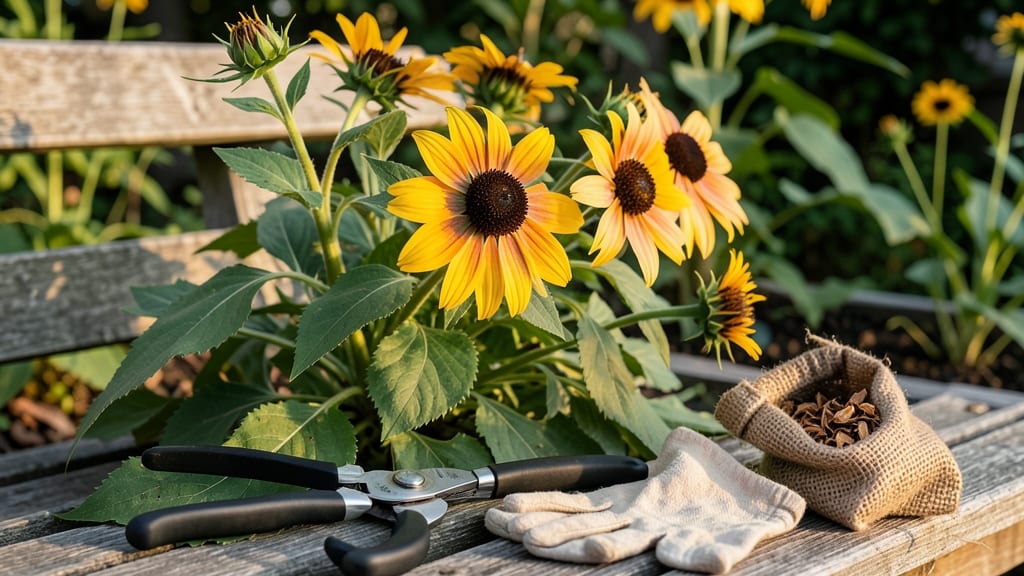
One simple snip keeps rudbeckia blooming until frost. 🌻 I’ve watched these cheerful yellow-orange flowers fade too soon—until I learned the secret: deadheading at the right time turns a single bloom into weeks of color. The key is precision, not brute force.
You only need clean pruners and a sunny afternoon. After each flower fades, snip the stem just above the next set of leaves (about 1/4 inch above).
This redirects energy from seed production to new buds. Most gardeners overcut—don’t trim more than 1/3 of the stem, or you’ll weaken the plant.
By mid-summer, your rudbeckia will look like a golden fountain instead of a spent summer memory. The plants stay bushier, bloom longer, and even attract more pollinators. I’ve extended my plants’ flowering by 4-6 weeks using this method—no fancy tools or complicated steps.
Works for all rudbeckia varieties, from the classic 'Goldsturm' to dwarf types. Just avoid deadheading in fall—let those seeds feed winter birds. Here’s exactly how to do it without stressing the plant.
📚 In This Guide
- What you need
- Instructions
- Tips and common mistakes
- Wrapping up and next steps
What you need
- ● Sharp pruning shears or garden scissors – A pair with bypass blades (not anvil-type) for clean cuts. Look for sterilized, stainless steel blades to prevent disease.
- ○ Gloves (optional but recommended) – Nitrile or leather gloves protect hands from thorns (some varieties have them!) and dirt.
- ● Disinfectant (70% isopropyl alcohol or bleach solution) – 1 part bleach to 9 parts water to clean tools between cuts and avoid spreading pathogens.
- ● Trash bag or bucket – For collecting spent blooms and debris. A 5-gallon capacity works for small to medium gardens.
- ○ Compost bin (optional) – If you want to recycle the deadheaded flowers into nutrient-rich soil.
- ● Choose the right time – Deadhead on a dry, sunny morning when blooms are fully open but before they seed (usually late morning to early afternoon).
- ● Identify spent blooms – Look for flowers with drooping petals or brown centers—these are ready to go!
- ● Know your variety – Some Rudbeckia (like ‘Goldsturm’) bloom prolifically; others (like ‘Indian Summer’) may need less aggressive pruning.
Step-by-step instructions for deadheading rudbeckia
Here's how to keep your rudbeckia blooming all season with just a few simple cuts.
✂️ Step 1: Identify the Right Blooms to Trim
Wait until a flower head begins to fade—petals will droop slightly and turn brown at the edges. This is your signal that the plant has shifted energy from blooming to seed production. I always check in the morning when dew is present; the contrast between fresh and fading blooms is easiest to spot then.
Leave the brightest, healthiest blooms untouched. These are your plants' priority for new flowers. Focus on stems where the center cone has turned brown or the petals have lost their vibrant color. Rudbeckia's natural growth habit makes this easy—just look for the "old lady" flowers that look like they've seen better days.
✂️ Step 2: Make the Clean Cut
Use clean, sharp pruners or your fingers to pinch the stem just above the next set of leaves or a healthy side bud. I like to make this cut at a 45-degree angle—it increases surface area for water absorption and prevents water from pooling on the cut. The goal is to remove the spent bloom while encouraging new growth from below.
Don't cut too close to the base—leave at least 2-3 inches of stem with leaves attached. This ensures you're not removing the plant's energy storage. You'll know you're cutting correctly when you see fresh green leaves below the cut flower. This is where your new blooms will emerge.
✂️ Step 3: Repeat Weekly for Continuous Blooms
Check your rudbeckia every 5-7 days during peak bloom season (late summer through fall). This regular maintenance is what keeps them producing new flowers instead of going to seed. I mark my calendar with bloom reminders so I don't miss the optimal timing—consistency is key here.
After each deadheading session, take a moment to examine the plant's overall health. Healthy rudbeckia should have vibrant green leaves and sturdy stems. If you notice yellowing leaves or weak stems, these are signs to reduce deadheading frequency and focus on watering or fertilizing instead.
💧 Step 4: Maintain Water and Fertilizer Balance
Deadheading stimulates new growth, which means your rudbeckia will need more water after each session. Water deeply at the base immediately after pruning to help the plant recover. I use about 1 gallon of water per plant during dry periods, delivered right at the soil line to avoid wetting the leaves.
Consider applying a balanced liquid fertilizer (10-10-10) every 4-6 weeks during the growing season. This gives your plants the nutrients they need to produce those vibrant new blooms. I mix my fertilizer at half-strength to avoid burning the roots—rudbeckia is forgiving but prefers gentle feeding.
⏰ Step 5: Time Your Final Deadheading
Stop deadheading in late fall, about 4-6 weeks before your first frost. This allows the plant to develop seeds for next year's growth. I know it's time to stop when most blooms have naturally faded and the plant starts putting energy into seed production rather than new flowers.
Leave the seed heads on a few stems if you want to collect seeds for next season. The dried seed heads add beautiful texture to winter gardens too. For the remaining stems, cut back to about 6 inches from the ground. This tidy appearance makes winter cleanup easier and protects the crown from harsh weather.
Tips & tricks for perfect rudbeckia deadheading
Here's what I've learned after years of keeping my rudbeckia blooming longer than the neighbors—these small details make all the difference.
Timing Secret: The 5-7 day window between deadheadings is more flexible than it seems. If you miss a week, don't panic—just focus on the next session. I've found that plants respond better to consistent deadheading than to rigid schedules. The key is to always remove faded blooms before they form seed heads, which saps energy from new flowers. Look for that telltale droop in petals or brown center cones as your cue.
Tool Technique: While pruners work perfectly, your fingers can be just as effective for delicate stems. The secret is to pinch cleanly just above a leaf node or side bud. I've ruined more stems than I'd like to admit by cutting too close to the base—always leave those 2-3 inches of stem with leaves attached. This ensures you're not removing the plant's energy storage system while still encouraging new growth from below.
Health Check: After each deadheading, run your fingers down the stems to check for any signs of stress. Yellowing leaves or weak stems mean your plant is telling you to ease up on the pruning and focus on watering instead. I've learned the hard way that over-pruning can be just as damaging as neglect—rudbeckia is resilient, but even it has limits. A quick post-deadheading watering of 1 gallon per plant helps reset the plant's system.
Seasonal Strategy: The 4-6 week window before your first frost isn't just about timing—it's about recognizing when your plants naturally shift focus. I stop deadheading when most blooms fade and the plant starts putting energy into seed production. This transition is subtle but unmistakable if you're paying attention. The dried seed heads you leave behind serve a dual purpose: they provide next year's seeds and add beautiful winter texture to your garden.
Pro Tips for Deadhead Rudbeckia
- Here's what I've learned after years of keeping my rudbeckia blooming longer than the neighbors—these small details make all the difference.
- Timing Secret: The 5-7 day window between deadheadings is more flexible than it seems.
- Tool Technique: While pruners work perfectly, your fingers can be just as effective for delicate stems.
Frequently asked questions
Got questions about deadheading rudbeckia? You’re not alone! Here are answers to the most common ones to keep your black-eyed Susans thriving.
When is the best time to deadhead rudbeckia?
Deadhead after the flower fades but before the seed head forms—usually late summer to early fall. For continuous blooms, trim spent blooms every 1–2 weeks. Avoid cutting into the green foliage; focus on the brown, dried petals only.
How often should I deadhead rudbeckia?
Check your plants weekly during peak bloom season (summer/fall). If you notice more than 10% of flowers wilting, it’s time to snip. Over-deadheading isn’t harmful, but consistency ensures fresh blooms all season.
What if I forget to deadhead? Will my rudbeckia still bloom?
Yes! Rudbeckia is forgiving. If you skip deadheading, the plant may still produce seed heads, but blooms will taper off sooner. Late deadheading (even into winter) won’t hurt—just remove seed heads if you want to prevent self-seeding.
Can I use deadheaded rudbeckia flowers for anything?
Dry the petals for potpourri, use them in bouquets, or compost the stems. The seed heads are also great for bird feeders—just leave them on the plant until they fully mature.
Why are my rudbeckia flowers drooping after deadheading?
Drooping can happen if you cut too close to the stem or damage the growing tip. Always leave at least ½ inch of stem above the next set of leaves. If wilting persists, check for pests (like aphids) or underwatering.
Wrapping up and next steps
Deadheading rudbeckia is a simple, rewarding task that keeps your garden vibrant and blooming all season! 🌼 With just a pair of clean pruners and a little time, you’ll encourage more flowers, healthier plants, and even taller stems.
Plus, it’s a great way to connect with your garden while giving your rudbeckia the care it deserves.
Ready to give it a try? Grab your tools and head outside—your rudbeckia will thank you with bold, cheerful blooms until frost! For extra inspiration, check out our guide on year-round rudbeckia care to keep your garden thriving.