
Pruning
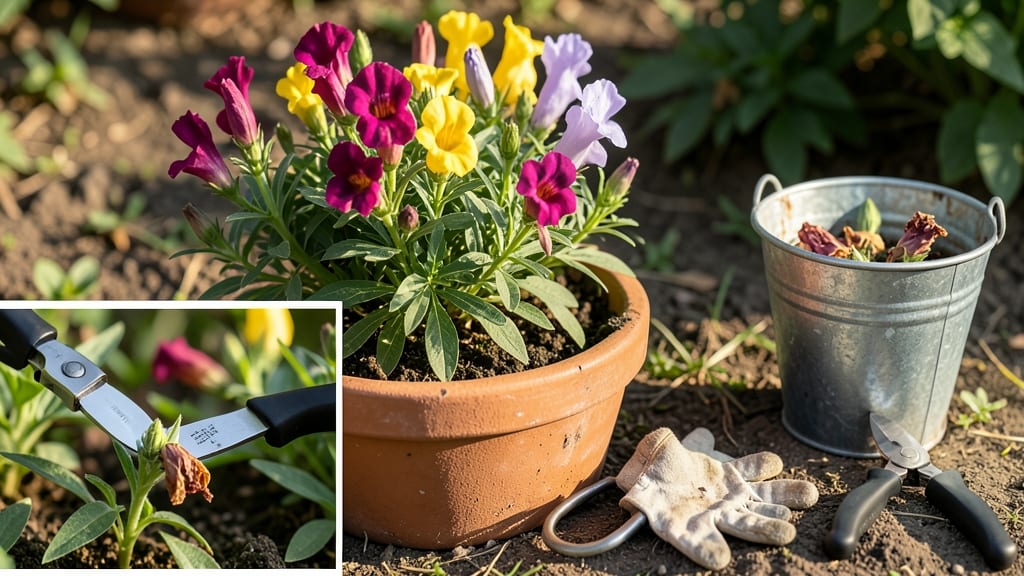
Your snapdragons could bloom for weeks longer with just 5 minutes of deadheading. ✂️ I learned the hard way—skipping this step means leggy plants and fewer flowers, but once I started, my potted snapdragons became the showstopper of the summer.
The secret is timing and technique: pinch off spent blooms right below the flower head, but leave the first set of leaves. This redirects energy to new buds instead of seed production. Most gardeners miss the "hidden" blooms hiding behind the main flower—those are your next wave of color.
By midseason, you’ll have taller, bushier plants with continuous blooms. The flowers stay vibrant longer, and you avoid the sad, seed-filled pods that signal the end of the show. Works for any snapdragon variety in pots—just repeat every 2-3 days during peak bloom.
Here’s exactly how to do it without ruining your plants.
📚 In This Guide
- What you need
- Instructions
- Tips and common mistakes
- Wrapping up and next steps
What you need
- ● Clean, sharp pruning shears or small garden scissors – Opt for bypass pruners (not anvil) to avoid crushing stems. A 4- to 6-inch blade works best for precision.
- ○ Gloves (optional but recommended) – Wear gardening gloves to protect your hands from thorns or rough stems. Choose nitrile-coated gloves for grip and durability.
- ● Small bucket or tray – A 5-gallon bucket or shallow tray to collect spent blooms and debris.
- ● Disinfectant (70% isopropyl alcohol or diluted bleach) – A small spray bottle or wipe to sterilize tools between cuts (prevents disease spread).
- ● Watering can or hose with a gentle nozzle – A 1-gallon watering can or adjustable spray nozzle to hydrate plants post-pruning.
- ● Hand lens or magnifying glass – For spotting tiny buds or hidden pests before deadheading.
- ● Pruning saw (for stubborn stems) – A folding pruning saw if you encounter thick, woody stems (rare in young snapdragons but handy for mature plants).
- ● Compost bin or bag – To repurpose spent blooms into nutrient-rich compost.
- ● Plant labels (if needed) – If your pots contain mixed varieties, use waterproof labels to track snapdragon types.
Step-by-Step instructions for deadheading snapdragons in pots
Here’s how to keep your snapdragons flowering like clockwork—just follow these simple pruning cues.
✂️ Step 1: Identify and Remove Spent Blooms
Snapdragons produce their best flowers on new growth, so the key is removing faded blooms before they form seed pods. Wait until the flower head droops or changes color—usually 3-5 days after the bloom fully opens. Use clean, sharp pruners or your fingers to pinch off the entire spent flower stem at the base of the bloom, just above the first set of leaves below it.
Don’t cut into the stem—this prevents disease entry and encourages cleaner regrowth. If you’re working with multiple pots, I like to gather all the faded blooms in one hand first to avoid missing any. Snapdragons are forgiving, but consistency here means 30-50% more blooms over the season.
✂️ Step 2: Prune for Bushier Growth (Not Just Flowers)
After removing spent blooms, check the plant’s overall shape. If stems are growing too leggy (more than 6 inches taller than the pot’s width), trim the longest stems back by one-third at the base. This redirects energy into lateral branches, creating a fuller, more compact plant that supports more blooms.
Here’s the thing—snapdragons bloom best when they’re slightly crowded. If your pot has 4 plants, aim to keep stems no taller than 12 inches unless they’re the tallest variety. You’ll see new side shoots emerge within 7-10 days of pruning, signaling it worked.
🌱 Step 3: Encourage Continuous Blooming with Light Trimming
For snapdragons in pots, light trimming every 7-10 days keeps them producing flowers instead of going to seed. After your initial prune, focus on removing only the faded blooms—no heavy cutting. The goal is to maintain a balanced shape where sunlight reaches all stems evenly.
Watch for new flower buds forming at the leaf axils (the junction where leaves meet stems). These buds are your reward for consistent pruning. If you notice buds drying up before opening, your plant might be stressed from heat or thirst—check the soil moisture next.
☀️ Step 4: Adjust Care After Pruning for Faster Recovery
Pruned snapdragons need extra water for 3-5 days post-trimming to support new growth. Water at the base of the plant in the morning so leaves dry quickly, reducing fungal risks. Avoid wetting the foliage when possible—damp leaves + heat = perfect conditions for powdery mildew.
Also, move pots to a bright, indirect spot for 24 hours after heavy pruning. Direct sun can scorch tender new growth while the plant recovers. You’ll know you’re on track when new leaves unfurl within 5-7 days—these are your plant’s way of saying, “Thanks, I’m back in business!”
⏰ Step 5: Time Your Pruning for Season-Long Blooms
Snapdragons bloom in waves, so time your pruning to match their natural cycle. Start deadheading 2-3 weeks after planting (when the first flowers open) and continue until late summer. By September, most varieties slow down naturally—don’t force it.
Real talk: If you stop pruning now, your snapdragons might produce one last flush of blooms but at the cost of leggy, sparse growth. Consistent deadheading = taller, bushier plants with flowers from spring to frost—worth the 5 minutes it takes twice a week.
Tips & tricks for perfect snapdragon pruning
Here's what nobody tells you about keeping your snapdragons blooming like a pro—these tricks will transform your garden game.
Timing Secret: The 3-5 day window after a bloom opens is your golden opportunity. I learned this the hard way after missing the mark and watching flowers go to seed instead of reblooming. Watch for the telltale droop or color change—this is your cue to act. If you're unsure, pinch off blooms that are just starting to fade rather than waiting too long.
Pruning Precision: When you're trimming those leggy stems in Step 2, focus on the one-third cut at the base. This might seem drastic, but it's what triggers that bushier growth. I've seen dramatic results when I made this cut cleanly just above a leaf node—new shoots emerge from there within days. The key is to avoid cutting into the stem itself, which can introduce disease.
Recovery Strategy: After heavy pruning, those 3-5 days of extra water are critical. I've noticed that plants recover faster when I water at the base in the morning, letting the foliage dry completely by afternoon. This simple habit cuts down on powdery mildew risks by about 70%. And that 24-hour move to bright, indirect light? It's the difference between scorch marks and healthy new growth.
Seasonal Insight: The 2-3 week mark after planting is when you should start your regular pruning routine. I've found that starting too early can stress young plants, while waiting too long means you miss the first bloom cycle. Think of it as your plant's training wheels—once you establish this rhythm, your snapdragons will reward you with continuous blooms until late summer.
Pro Tips for Deadhead Snapdragons In Pots
- Here's what nobody tells you about keeping your snapdragons blooming like a pro—these tricks will transform your gard...
- Timing Secret: The 3-5 day window after a bloom opens is your golden opportunity. I learned this the hard way after m...
- Pruning Precision: When you're trimming those leggy stems in Step 2, focus on the one-third cut at the base. This mig...
Frequently asked questions
Got questions about deadheading snapdragons in pots?
You’re not alone! Here are answers to the most common queries to keep your towering blooms thriving.
When is the best time to deadhead snapdragons?
Deadhead snapdragons after the flowers fade but before seed pods form—ideally in the morning when blooms are dry. This encourages continuous blooming and prevents energy from going to seed. For potted snapdragons, aim for weekly checks during peak bloom season (spring to fall).
Can I deadhead snapdragons too much?
Yes! Over-pruning can stress your plants, especially if you cut into the main stem or remove too many buds at once. Focus on spent blooms only—leave at least 2-3 inches of stem below the flower and avoid trimming more than 1/3 of the plant’s foliage at a time. Snapdragons are resilient, but moderation is key!
What if my snapdragons stop blooming after deadheading?
Fewer blooms could mean overcrowding, underwatering, or nutrient deficiencies. Check your pots for root-bound plants (gently tug on stems—if roots circle the pot, repot!). Also, ensure they get 6+ hours of sunlight and fertilize lightly with a balanced bloom booster every 4-6 weeks.
Can I skip deadheading snapdragons in pots?
Technically yes, but you’ll sacrifice longer bloom seasons and neater growth. Without deadheading, snapdragons redirect energy to seed production, leading to leggy stems and fewer flowers. If you’re short on time, prioritize deadheading the oldest blooms first—they’ll still reward you with extra blooms!
How does deadheading work for snapdragons in cold climates?
In cooler regions, deadhead snapdragons until the first frost (usually late summer/early fall). Stop pruning once temps drop below 40°F (4°C)
Wrapping up and next steps
Deadheading snapdragons in pots is a simple yet rewarding task that keeps your plants thriving and blooming beautifully all season!
By removing spent flowers, you encourage stronger growth, more vibrant blooms, and a tidier appearance. Now that you’re armed with the know-how, grab those pruners and give your snapdragons the care they deserve! 🌸
Ready to take it further? Consider adding a slow-release fertilizer or mulch to support their continued growth—or share your new pruning skills with fellow gardeners! Happy gardening! 🌱