
Companion Plants
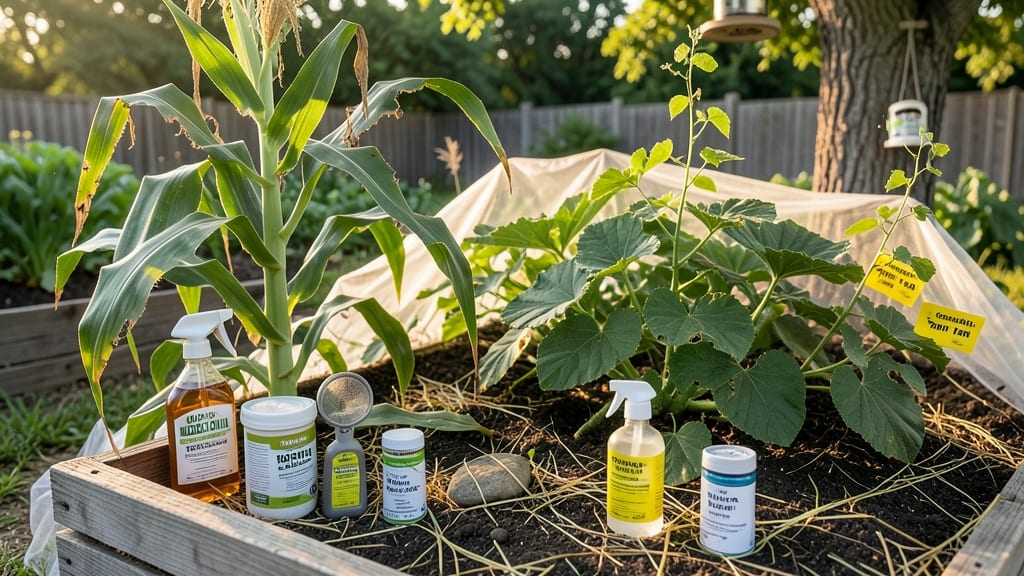
How to deter grasshoppers from plants—your basil patch can go from skeleton leaves to lush greenery in no time. The good news? A neem oil barrier doesn’t just repel them—it disrupts their life cycle so they lose interest in your garden entirely. No more frantic swatting or netting every plant.
Neem oil works because it throws off their feeding cues while being completely safe for your plants and pollinators. The trick is applying it at dusk when grasshoppers are most active, using a 1% concentration mixed with water and a drop of dish soap for stickiness.
Reapply every 7-10 days after rain.
Within a week, you’ll notice fewer hoppers on your leaves, and new growth stays untouched. The oil coats plants with a subtle scent that grasshoppers avoid, while also preventing egg-laying—meaning fewer future generations to deal with. It’s like an invisible force field for your garden.
This method works on vegetables, flowers, and ornamentals alike, and pairs well with other grasshopper deterrents like companion planting (marigolds and garlic) or physical barriers (row covers). The key is consistency—grasshoppers give up faster than you’d expect.
Root Causes of Grasshopper Attacks
Grasshoppers don’t just randomly munch on your plants—they’re drawn by a mix of environmental, biological, and agricultural factors. Understanding these triggers is the first step to outsmarting them. Below, we break down the key reasons grasshoppers invade your garden, backed by science and actionable insights.
Grasshoppers are opportunistic feeders, and they target plants that offer:
- High nutritional value (especially nitrogen-rich grasses and legumes).
- Soft, tender growth (young shoots and leaves are easier to chew).
- Abundant foliage (dense plantings provide cover and easy access).
Why it matters: A monoculture garden (e.g., a large patch of corn or alfalfa) acts like an all-you-can-eat buffet for grasshoppers. Worse, some plants—like Johnson grass or bermudagrass—are preferred hosts and can accelerate their reproduction rates. 🌱🐛
Science note: Grasshoppers use plant volatile organic compounds (VOCs) to locate food. Certain grasses emit chemical signals that grasshoppers detect from up to 30 feet away!
Grasshoppers thrive when their predators are scarce. Common natural enemies include:
- Birds (e.g., meadowlarks, sparrows, and killdeer).
- Spiders (especially wolf spiders and jumping spiders).
- Ground beetles and parasitic wasps (which lay eggs in grasshopper nymphs).
- Frogs, toads, and lizards (ambush hunters).
Why it happens: Urbanization, pesticide overuse, and habitat destruction reduce predator populations. Even in rural areas, monocrop farming eliminates the diverse ecosystems where predators hunt. Without checks, grasshopper populations explode exponentially. 🐦⬛🕷️🐸
Actionable insight: Planting native wildflowers and shrubs (like milkweed or sunflowers) creates a predator-friendly zone, encouraging birds and insects that keep grasshopper numbers in balance.
Grasshoppers are more aggressive when plants are water-stressed.
Here’s why: - Stressed plants produce more sugars in their leaves to survive, making them tastier to herbivores. - Wilted or dried-out foliage is easier to chew, reducing the grasshopper’s energy expenditure. - Drought conditions also reduce predator activity (e.g., frogs burrow deeper, birds seek water sources elsewhere).
Data point: Studies show grasshopper damage increases by 30–50% during drought years in agricultural fields. 🌞💧
Pro tip: Deep, infrequent watering (1–2 inches per week) encourages deep root growth, making plants more resilient—and less appealing—to grasshoppers.
Grasshoppers are cold-blooded, meaning their activity levels skyrocket in:
- Temperatures above 80°F (27°C) (they become more active and reproduce faster).
- Low humidity (their exoskeletons dry out, forcing them to feed more frequently).
- Long daylight hours (they have more time to forage).
Life cycle link: A single female grasshopper can lay hundreds of eggs in warm soil. If those eggs hatch in ideal conditions, the population doubles in a season. ☀️🔥
Regional note: The Great Plains and Southwest U.S. see the worst outbreaks due to these climate conditions—exactly where drought and heat overlap.
Ironically, some gardening practices worsen grasshopper problems:
- Broad-spectrum pesticides kill beneficial insects (like ladybugs and lacewings) that prey on grasshoppers.
- Removing ground cover (e.g., clover, dandelions) eliminates alternative food sources, forcing grasshoppers onto prized plants.
- Over-tilling soil exposes grasshopper eggs to the surface, where they hatch earlier and in larger numbers.
Case study: A 2018 study in Journal of Economic Entomology found that gardens using neonicotinoid pesticides had 40% more grasshopper damage due to reduced predator activity. 🚫🐞💥
Solution: Opt for targeted, organic sprays (like neem oil) that harm grasshoppers but preserve beneficial insects.
Grasshopper eggs won’t hatch unless soil conditions are perfect:
- Moisture level: Too dry = eggs die; too wet = rot. Ideal: 6–12 inches deep, slightly damp.
- Temperature: Eggs need consistent warmth (60–80°F / 15–27°C) to develop.
- Loose soil: Eggs are laid 1–4 inches deep; compacted soil can suffocate them.
Timing is critical: Eggs laid in late summer may not hatch until spring, while those laid in spring emerge in 6–8 weeks. This explains why outbreaks seem to appear “out of nowhere.” ⏳🌱
Prevention tip: Aerate soil in fall to disrupt egg viability, or use row covers in early spring to block emerging nymphs.
Natural Barriers and Fixes
Grasshoppers may seem like tiny, harmless critters, but they can wreak havoc on your garden in no time. 🌱🐛 The good news? There are effective, eco-friendly ways to deter them without resorting to harsh chemicals.
Below, we’ve mapped out practical solutions based on the root causes of grasshopper infestations—from habitat disruption to plant attraction—and how to turn the tide in your garden’s favor.
Grasshoppers thrive where plants are stressed, weak, or overcrowded. A healthy garden is their worst nightmare.
🔥 Strengthen Plant Resilience
- Prune regularly to improve airflow and reduce hiding spots for grasshoppers.
- Water deeply but less frequently—stressed plants (from over/under-watering) are more appealing.
- Choose grasshopper-resistant plants like lavender, marigolds, or basil to act as natural repellents.
🍳 Create a Physical Barrier
- Row covers (lightweight fabric) can block grasshoppers while allowing sunlight and water through.
- Straw or wood mulch around plant bases deters hoppers from climbing.
- Diatomaceous earth (food-grade) sprinkled lightly around plants creates a microscopic barrier (reapply after rain).
Grasshoppers lay eggs in soil, and nymphs emerge hungry. Stop them before they start.
👨🍳 Till or Disturb Soil in Late Summer
- Grasshoppers lay eggs in bare, warm soil (August–September).
Lightly till or aerate garden beds to expose eggs to predators (birds, beetles) or dry them out. - Pro tip: 💡 Use a rake or hoe to scratch the top inch of soil—this disrupts egg-laying sites.
🥘 Introduce Natural Predators
- Birds (especially sparrows, robins, and meadowlarks) love grasshoppers. Install birdhouses or sucker feeders to attract them.
- Ground beetles and parasitic wasps also hunt grasshopper eggs. Avoid pesticides to encourage their presence.
Grasshoppers target young, tender plants—especially grains, corn, and broadleaf veggies.
🎯 Trap and Redirect Them
- Plant a "sacrificial trap" of oats or wheatgrass in a corner of your garden. Grasshoppers will feast there instead of your prized plants.
- Remove weeds (like crabgrass or dandelions) that attract hoppers.
🔪 Use Neem Oil as a Deterrent
- Neem oil disrupts grasshopper feeding and reproduction.
Mix 1 tbsp neem oil + 1 tsp mild soap per gallon of water, spray on plants (especially undersides of leaves), and reapply every 5–7 days. - Bonus: It’s organic, pet-safe, and works on both adults and nymphs.
Grasshoppers are most active in late afternoon and during hot, dry spells. Time your interventions for maximum impact.
🌞 Morning Patrols
- Handpick grasshoppers (drop them in soapy water) during cool morning hours when they’re sluggish.
- Vacuum them up with a shop vac (works surprisingly well for small infestations!).
🌧️ Rainy Day Strategy
- After rain, grasshoppers seek shelter. Check under mulch, rocks, or plant debris and relocate them far from your garden.
| Action | When to Do It | Why It Works |
|---|---|---|
| Plant companion plants (e.g., garlic, thyme) | Spring/fall planting | Confuses grasshoppers with mixed scents |
| Rotate crops annually | End of growing season | Prevents egg-laying in the same spot |
| Keep grass short in borders | Weekly mowing | Reduces hiding spots for hoppers |
| Install a windbreak (e.g., shrubs) | Early spring | Slows grasshopper migration into garden |
Final Thought: Grasshoppers are a manageable nuisance when you combine prevention, natural barriers, and targeted interventions. Start with neem oil and row covers, then reinforce with predator-friendly practices—your garden will thank you! 🌱✨
Frequently asked questions
Why do grasshoppers suddenly appear in my garden?
Grasshoppers often arrive during hot, dry weather (above 80°F/27°C) when they seek food and moisture. They're also drawn to stressed plants (like drought-affected or overcrowded ones) and nitrogen-rich crops (such as corn or alfalfa). Their eggs hatch in late summer/fall and emerge as nymphs in spring.
Can I use diatomaceous earth on edible plants?
Yes, but only food-grade diatomaceous earth (like DE for gardening). Sprinkle a thin layer around plant bases (not directly on leaves) and reapply after rain. It works by creating microscopic cuts in their exoskeletons, but avoid inhaling the dust and keep pets away from treated areas.
What's the best time of day to apply neem oil?
Apply neem oil in the early evening (just before sunset) when grasshoppers are most active but temperatures are cooling. This gives the oil time to dry without burning plants under midday sun. Avoid spraying when bees or butterflies are active to protect pollinators.
Will row covers work for large gardens?
For large gardens, use floating row covers (like Agribon) supported by hoops or stakes. Secure edges tightly to prevent grasshoppers from crawling underneath. These covers also protect from other pests while allowing sunlight, water, and air circulation. Remove during pollination periods if growing fruits/vegetables.
How do I know if grasshoppers are damaging my plants?
Look for irregular holes along leaf edges (not clean cuts from insects like beetles) and skeletonized leaves (where only veins remain). Young plants may show stunted growth or chewed stems. Check undersides of leaves where nymphs hide—you'll often find them there before spotting adults.