
Tools
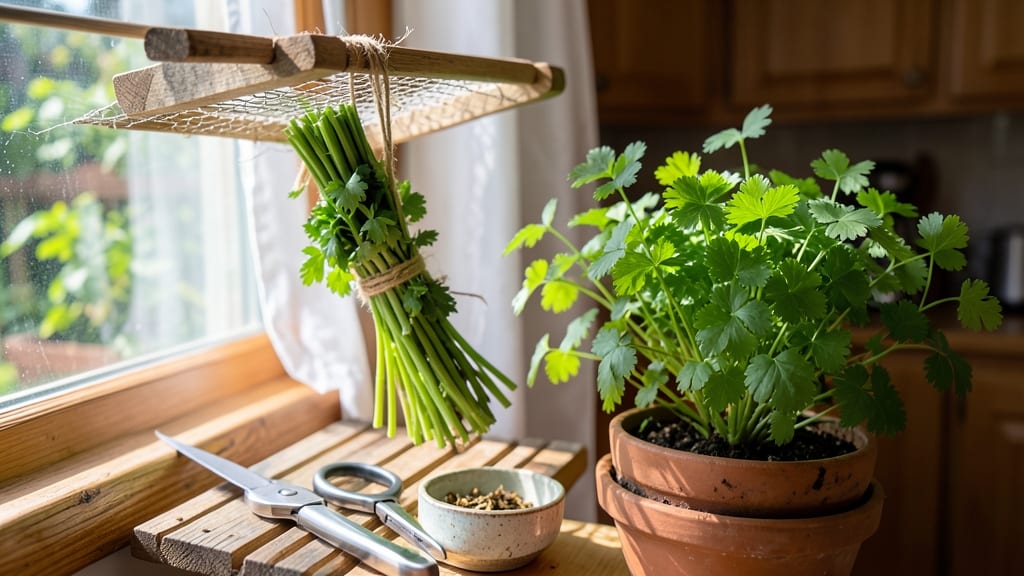
How to dry fresh parsley from the garden preserves its bright flavor for months—no fancy equipment needed. ✨ I learned the hard way that wilting parsley loses potency fast, so I perfected a simple bundle method that keeps it vibrant and ready for soups, sauces, or garnishes whenever you need it.
The best part? You only need three things: fresh parsley, twine or rubber bands, and a dark, dry spot. No oven, no dehydrator—just nature doing its thing. For extra speed, I sometimes use a low oven setting, but the classic air-drying method works just as well and saves energy.
In just 7-10 days, you’ll have perfectly dried sprigs that crumble easily into your recipes. The flavor stays bold, and you’ll never waste another harvest again. Store the bundles in a glass jar for up to 6 months—no freezer space needed.
Here’s the trick to avoid mold: make sure the stems are completely dry before storing, and keep them in a cool, dark place. If you notice any fuzzy spots, toss those bundles immediately. With this method, you’ll always have fresh-tasting parsley at your fingertips.
📚 In This Guide
- What you need
- Instructions
- Tips and common mistakes
- Wrapping up and next steps
What you need
- ● Fresh parsley – A large bunch (about 1–2 cups of stems and leaves, trimmed and washed).
- ● Paper towels or clean kitchen towel – For gentle drying to remove excess moisture.
- ● Cheesecloth, mesh bag, or breathable fabric – To bundle stems for hanging (or a small burlap sack if air-drying in bulk).
- ● Rubber bands or twine – To secure the parsley bundles tightly.
- ● Pantry space or drying rack – A cool, dark, well-ventilated area (like a cupboard or pantry) with no direct sunlight.
- ○ Optional drying aids: A dehydrator (set to 95°F–115°F) for faster drying (2–4 hours).
- ● A food processor or spice grinder (for crushing dried parsley into flakes).
- ● Air-tight containers (glass jars with lids or resealable bags) for storage.
Step-by-Step instructions for drying fresh parsley from the garden
Here's my foolproof method for preserving parsley's vibrant flavor—no fancy equipment needed, just a few simple steps.
🌿 Step 1: Harvest and Clean the Parsley
Pick parsley on a dry morning after the dew has evaporated. Hold the stems firmly at the base and give a sharp tug—this ensures you get the full root if growing from the ground. Shake off loose dirt, then rinse gently under cool water to remove any remaining debris. I always pat the leaves dry with a clean kitchen towel or paper towels to prevent moisture from lingering on the stems.
Remove any yellowed or wilted leaves—these won’t dry well and can attract pests. For flat-leaf parsley, you can separate the leaves from the stems if you prefer a finer texture, but I usually keep them attached for easier bundling. The goal is to work with fresh, crisp parsley that’s ready for drying.
🪴 Step 2: Bundle the Parsley for Hanging
Take 4-6 stems of parsley and tie them together tightly at the bottom using twine, rubber bands, or even a strip of paper. I like to use twine because it’s sturdy and reusable. Leave about 4-6 inches of stem exposed at the top—this will be where you hang the bundle. The tighter the bundle, the better the air circulation, which speeds up the drying process.
For a larger harvest, repeat this step until all the parsley is bundled. If you’re drying curly parsley, you can trim the stems to 3-4 inches for a neater look, but leave them longer for flat-leaf varieties to maximize hanging space. Place the bundles in a single layer on a clean surface to prepare for the next step.
☀️ Step 3: Choose and Prepare Your Drying Method
There are two reliable ways to dry parsley: hanging in a dark, dry place or using a dehydrator. For hanging, find a spot with good air circulation, like a pantry, closet, or even a well-ventilated kitchen cabinet. Avoid direct sunlight or heat sources—this can cause the parsley to lose flavor or turn bitter. A cool, dry environment (around 65-75°F) is ideal.
If you’re using a dehydrator, spread the bundles on the trays with 1-2 inches of space between them. Set the dehydrator to 95°F and let it run for 2-4 hours, checking occasionally to ensure even drying. You’ll know it’s ready when the leaves are crisp and brittle—they should crumble easily between your fingers.
⏰ Step 4: Test for Dryness and Store Properly
After 1-2 weeks of hanging, test a leaf by crushing it between your fingers. If it crumbles easily and feels dry to the touch, the parsley is ready. If it still feels slightly damp or pliable, give it another 2-3 days before checking again. I usually store dried parsley in small, airtight containers or glass jars to preserve its flavor and prevent moisture from seeping back in.
Label the container with the date—properly dried parsley keeps its flavor for up to 6 months if stored in a cool, dark place. For best results, use it within 3-4 months for peak potency. Once dried, you can crumble the leaves directly into dishes or grind them into a fine powder for easy seasoning.
💧 Bonus: Revive Dried Parsley for Cooking
If your dried parsley loses its vibrancy, don’t toss it! Simply crush the leaves between your palms to release their oils, then sprinkle them directly into soups, sauces, or pastas. A little goes a long way—1 teaspoon of dried parsley is roughly equivalent to 1 tablespoon of fresh. This trick works especially well for dishes where parsley’s bright flavor is key, like tabbouleh or marinades.
Tips & tricks for perfectly dried parsley bundles
Here's what I've learned after years of drying parsley—these little details make all the difference between good and great results.
Selection Tip: In Step 1, choose stems with the most vibrant green leaves—these will dry the brightest. Avoid parsley with yellowing or wilted leaves, as they won't dry properly and can develop bitter flavors. I also look for stems that are about pencil-thick; they dry more evenly than thicker stems.
Drying Speed Secret: The 24-48 hour crisping phase is where most people go wrong. If your kitchen feels humid, place bundles near a small fan (on low) to circulate air without direct airflow. You'll notice the stems become papery within this time—this is perfect! Just avoid high heat sources like ovens or lamps, which can dry the leaves too quickly and make them brittle.
Bundle Organization: When tying your bundles in Step 2, keep them uniform in size—about 4-6 inches long. This ensures even drying throughout. I like to make bundles with 3-4 stems each for small jars, or larger bundles of 6-8 stems for bigger storage needs. The key is maintaining that 1-inch exposed stem above the first knot for proper airflow.
Storage Wisdom: For Step 4, crush the dried leaves lightly before storing to release their essential oils, which preserves flavor. I use small glass jars with tight-sealing lids, filling them only halfway—the leaves expand slightly as they release moisture. Store in a cool, dark pantry spot away from spices, which can absorb flavors over time.
Pro Tips for Dry Fresh Parsley From The Garden
- Here's what I've learned after years of drying parsley—these little details make all the difference between good and ...
- Selection Tip: In Step 1, choose stems with the most vibrant green leaves—these will dry the brightest. Avoid parsley...
- Drying Speed Secret: The 24-48 hour crisping phase is where most people go wrong. If your kitchen feels humid, place ...
Frequently asked questions
Got questions about drying parsley?
Here are answers to the most common ones—so you can preserve that garden-fresh flavor with confidence!
How long does it take to dry parsley?
Drying time depends on your method. Bundle drying takes 1–3 weeks (hang upside down in a dark, dry place). Oven drying is faster—just 1–3 hours at 200°F (93°C). Dehydrator drying takes about 2–4 hours on low heat. Patience is key for the best flavor!
Can I dry parsley in the sun?
While direct sunlight might seem easy, it’s not ideal—it can bleach the color and speed up spoilage. Instead, opt for indirect sunlight (like a shaded porch) or use a food dehydrator for even drying. If you must use sunlight, do it quickly (a few hours max) and keep it covered with cheesecloth.
What’s the best way to store dried parsley?
Once fully dried, store parsley in airtight containers (glass jars or resealable bags) in a cool, dark place (like a pantry). It’ll stay fresh for 3–6 months. For longer storage, freeze it in ice cube trays with water or oil—just pop out what you need!
Why does my dried parsley smell musty?
A musty smell usually means moisture or mold. Check for dampness in your storage spot—parsley should be completely dry and crumbly before storing. If mold appears, toss it and try drying again with better airflow. Never store parsley in the fridge unless it’s already dried!
Can I use dried parsley in place of fresh in recipes?
Yes! But reduce the amount by 1/3—dried parsley is more concentrated. For example, if a recipe calls for 1 tbsp fresh, use 1 tsp dried. It’s perfect for soups, sauces, and rubs where fresh isn’t practical. Pro tip: Crush dried parsley between your fingers to release more flavor!
Wrapping up and next steps
Drying fresh parsley from your garden is a simple yet rewarding process that preserves its vibrant flavor for months!
With just a few tools—like bundles, air-dry space, or a dehydrator—you’ll unlock a pantry staple perfect for soups, sauces, and seasonings. Don’t let a single leaf go to waste! Now that you’ve mastered the method, try experimenting with freezing or blending your dried parsley for even more versatility in the kitchen.
Happy preserving! 🌿✨