
Pests and Diseases
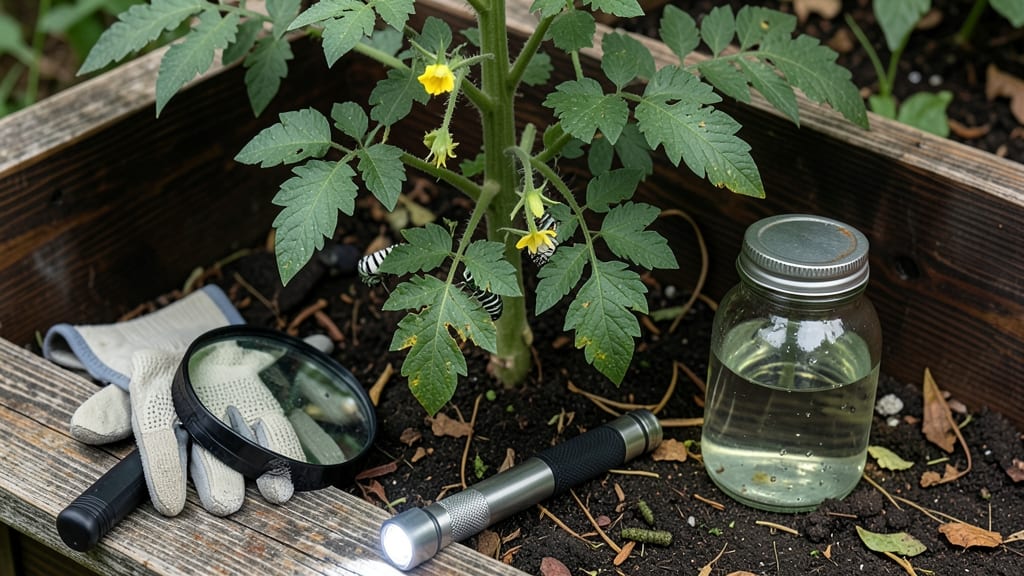
Your tomato plants might be hiding tiny green allies. 🌿 Hornworms look like alien caterpillars, but they’re actually beneficial—if you find them before they vanish.
These striped, leaf-munching giants (up to 4 inches!) thrive on tomatoes, peppers, and eggplants, but their presence means your garden’s natural pest control is already at work.
The key is checking the right spots: undersides of leaves, stems, and even the soil around plants. Look for their signature green bodies with white diagonal stripes and a spiky tail.
They’re masters of camouflage, so move slowly—sudden motions make them drop to the ground instantly. Early detection means minimal damage to your plants.
Once spotted, you’ll have two options: handpick them (they’re harmless to humans) or let nature take over—birds, wasps, and spiders often hunt them. The goal isn’t to eliminate them but to balance their presence with your garden’s health.
A few hornworms won’t ruin your harvest, but too many mean it’s time to intervene.
This search turns into a game—spot one, and you’ll start seeing them everywhere. The real win? You’re now one step closer to a garden where pests and predators coexist. Ready to play detective?
📚 In This Guide
- What you need
- Instructions
- Tips and common mistakes
- Wrapping up and next steps
What you need
- ● Gloves (lightweight, long-sleeved) – Protects your hands from prickly spines and sticky sap. Nitrile or cotton works best.
- ● Flashlight or headlamp (LED, bright white light) – Hornworms are nocturnal! A 1000-lumen model is ideal for night searches.
- ○ Magnifying glass (optional but helpful) – For spotting tiny eggs or camouflaged caterpillars. A 10x magnification works well.
- ● Small container or jar (with lid) – A quart-sized mason jar or plastic cup for safe transport. Poke holes in the lid for airflow!
- ● Soft paintbrush or tweezers – Gently coax hornworms onto leaves or into containers without harming them.
- ● Notebook & pen – Track locations, sizes, and egg clusters. A waterproof notebook is a plus for outdoor use.
- ● Healthy tomato, tobacco, or pepper plants – Hornworms love these! Aim for plants with large leaves and visible damage (chewed edges = hornworm buffet!).
- ● Early morning or late evening timing – Hornworms are most active when temps are cool (60–75°F). Avoid peak sun hours!
- ● Patience & a keen eye – These guys camouflage like pros! Scan undersides of leaves and stems first.
- ● 🌙 Moonlight helps! – Plan your search for a full moon night—hornworms are extra active then.
- ● 🍃 Check the soil – Young hornworms (larvae) may hide near the base of plants. Gently lift leaves or mulch.
- ● 🐛 Look for clues – Frass (black droppings), skeletonized leaves, or silken webbing = hornworm party nearby!
Tips & tricks for finding hornworms in your garden
Here's what nobody tells you about spotting these garden helpers without the hassle.
Timing Secret: The one-hour window after sunrise or after sunset is your best bet—this is when hornworms are most active and visible. I've found that checking during overcast days works even better because they don't retreat as quickly from cooler conditions. Think of it as their "golden hour" for visibility.
Visual Clues: In Step 2, when you're inspecting leaves, look for tiny black droppings (frass) on the soil below—this is a dead giveaway they've been feeding nearby. I've also noticed that hornworms often leave perfect semicircular chew marks on leaves, unlike other pests that create ragged edges. This visual pattern is your first clue before you even see the caterpillar.
Equipment Upgrade: A bright LED flashlight with a red light setting is my secret weapon for nighttime searches. Red light doesn't disturb their activity like white light does, and it helps you spot their stripes more clearly against foliage. I keep mine on my keychain for quick garden checks after dinner.
Seasonal Strategy: The late spring to early summer window is critical—this is when tomato and pepper plants are at their most vulnerable growth stage. I've made it a habit to set calendar reminders for every Tuesday and Friday during this period to stay consistent. This regular schedule helps me catch them before they become too numerous to handle.
Pro Tips for Find Hornworms
- Here's what nobody tells you about spotting these garden helpers without the hassle.
- Timing Secret: The one-hour window after sunrise or after sunset is your best bet—this is when hornworms are most active and visible.
- Visual Clues: In Step 2, when you're inspecting leaves, look for tiny black droppings (frass) on the soil below—this is a dead giveaway they've been feeding nearby.
Frequently asked questions
Got questions about hunting down these garden allies? You’re not alone! Here are the answers to the most common queries about finding hornworms—so you can turn your search into a success.
What’s the best time of day to look for hornworms?
Hornworms are most active at dawn or dusk when temperatures are cooler. They hide under leaves or blend into stems during the heat of the day. If you’re searching midday, check the undersides of leaves or shaded areas—they’ll be less visible but still there!
How long does it take to spot one in my garden?
It depends on your garden’s size and hornworm population! Small gardens (under 50 sq ft) might yield results in 5–10 minutes, while larger spaces could take 20–30 minutes of focused searching. Patience pays off—keep an eye out for fresh frass (droppings) or chewed leaves as clues!
Can I find hornworms on plants other than tomatoes?
While tomatoes are their favorite, hornworms also munch on peppers, eggplants, potatoes, and even tobacco plants. Scan these hosts for the classic green caterpillars with white stripes and a horn-like tail. Pro tip: Check basil or marigolds nearby—they sometimes hide there too!
What if I can’t find any hornworms but see damage?
No hornworms in sight? Don’t panic! Damage could be from cutworms, slugs, or beetles. Try these tricks:
- Set up a black light trap at night—hornworms are attracted to UV light.
- Check the soil around plants; young hornworms pupate underground.
- Ask neighbors if they’ve spotted them—they might be in adjacent gardens.
Are hornworms still helpful if they’re already big?
Yes! Even large hornworms (up to 4 inches) are beneficial—they eat thousands of pests per week before pupating. However, remove them before they pupate to prevent future hornworm outbreaks. If you find a pup (brown, hard case), relocate it far from your garden to break the life cycle.
Wrapping up and next steps
Finding hornworms in your garden isn’t just about spotting nature’s tiny hunters—it’s about giving your plants a helping hand! 🌱 With these 5 simple steps, you’ll become a pro at locating these beneficial caterpillars and turning them into allies for your garden’s health.
Start by scouting at dawn or dusk, then use the right tools (like a flashlight or magnifying glass) to spot them hiding in plain sight.
Ready to take action? Grab your gloves, head outside, and start your hunt today! Once you’ve found them, consider releasing them near your tomato or pepper plants for a natural pest-control boost. Happy gardening! 🌟