
Companion Plants
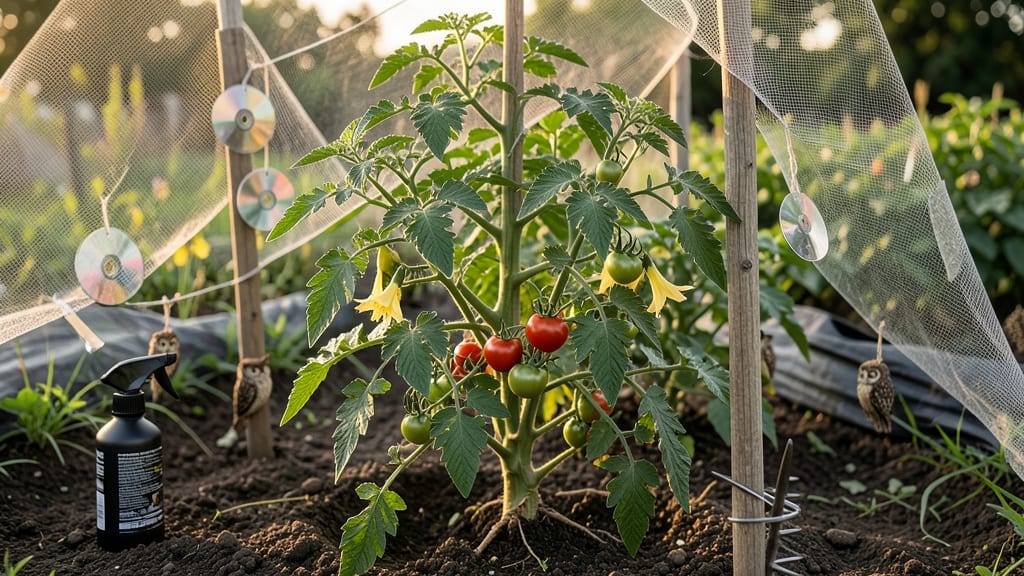
How to keep birds off of tomato plants—without harming a feather? 🌱 I’ve lost count of the times I’ve woken up to stripped vines and half-eaten fruit—until I discovered these humane, chemical-free barriers that actually work. The key is combining physical protection with smart deterrents. Lightweight floating row covers or bird netting (stretched loosely) keep birds out while letting sunlight and water through. Add reflective tape or old CDs on strings, and suddenly your garden looks like a bird’s idea of a disco—distracting enough to keep them away. You’ll harvest plump, intact tomatoes all season without harming a feather. The best part? These methods work for peppers, berries, and other bird magnets too. No more sad, skeletonized plants at harvest time.
Start with netting over young plants before birds spot the fruit, and check for gaps where they might squeeze through. For ripe tomatoes, harvest promptly—overripe ones are like neon signs to hungry birds. A mix of physical barriers and visual distractions creates a multi-layered defense that’s tough to beat.
This approach saves your harvest without harming wildlife. Birds will still visit your garden—but they’ll find the bird feeder instead. The payoff? Stronger plants, bigger yields, and zero guilt about using harsh repellents.
Works in backyards, raised beds, or even container gardens. The only requirement is consistency—birds learn fast, so stay one step ahead. Once you see the difference, you’ll never go back to hoping for the best.
📚 In This Guide
- What you need
- Instructions
- Tips and common mistakes
- Wrapping up and next steps
What you need
- ● Bird netting: 1–2 rolls of fine-mesh (½-inch or smaller) netting, enough to cover your tomato plants (e.g., 4’x6’ or larger for standard garden beds). Look for UV-resistant, durable fabric.
- ● Stakes or hoops: 6–10 wooden, bamboo, or metal stakes (4–6 ft tall) or 4–6 flexible wire hoops (3–4 ft diameter) to create a frame for netting.
- ● Clips or zip ties: 10–20 heavy-duty clips or zip ties (plastic or metal) to secure netting to stakes/hoops.
- ● Scissors or pruners: Sharp pair to trim netting and stakes to size.
- ● String or twine: 50+ ft of strong twine or garden wire to anchor netting to the ground or trellis.
- ● Reflective tape or old CDs: 1–2 rolls to deter birds with flashing light (attach to netting or stakes).
- ● Companion plants: Seeds or seedlings of basil, marigolds, or onions (plant near tomatoes to mask their scent naturally).
- ● Motion-activated sprinkler: 1–2 units (battery/solar-powered) for extra scaring power.
- ● Aluminum pie pans or wind chimes: A few pans or chimes to hang near plants for noise-based deterrence.
- ● Spray bottle: For water (to mist netting if birds get too curious).
Step-by-Step instructions for protecting tomato plants from birds
Here's how I've kept my tomato plants bird-free for years—no chemicals, just clever barriers.
🪴 Step 1: Install Physical Barriers at Planting Time
Start with row covers or floating row fabric (made of lightweight polyester) when transplanting seedlings. Secure them loosely over plants with hoops or stakes, leaving room for growth. I use 4-foot tall hoops spaced every 3 feet along the row—birds can't fly through the fabric, but your tomatoes can still reach sunlight and air.
For established plants, wrap chicken wire or hardware cloth (with ½-inch mesh) around individual plants. Bend the wire to form a cage-like structure about 18 inches tall, leaving the top open. This keeps birds from perching while allowing pollinators like bees to visit. I always anchor the wire with stakes to prevent wind from tipping it over.
🌱 Step 2: Use Reflective Deterrents for Visual Distraction
Hang old CDs, aluminum pie pans, or reflective tape from strings above the plants. Birds avoid shiny objects because they perceive them as threats or predators. I tie 3-4 CDs to a 5-foot string and drape it between plants—move them every few days to keep birds guessing. The goal is to create constant motion and glare that disrupts their feeding patterns.
For a more permanent solution, install reflective bird tape (available at garden centers) on stakes around the perimeter. The tape's flashing colors mimic predator movement, scaring birds away without harm. I place it 12-18 inches above the plant tops—just high enough to catch their attention but not block sunlight.
☀️ Step 3: Create Natural Predator Illusions
Place fake owls or snakes near your tomato plants—birds avoid areas where they perceive natural predators. I use plastic owls on stakes, positioned 3-4 feet above the ground and spaced every 10 feet. Move them every 3-4 days so birds don’t get used to them. Realistic movement (like a small motorized owl) works even better, but a static decoy still deters many species.
For a low-tech option, scatter predator scents like fox or coyote urine (available at garden stores) around the plants. The smell signals danger to birds, making them think twice before landing. I apply it once a week or after heavy rain, as the scent fades quickly. Always follow product instructions for dilution and application.
⏰ Step 4: Apply Scare Tactics with Sound and Movement
Set up a wind-powered bird scarer or solar-powered predator calls near your garden. These devices emit random noises (like owl hoots or predator alarms) that startle birds and keep them away. I use a solar-powered unit that plays intermittent sounds—birds learn to associate the noise with danger. Place it 10-15 feet away from the plants to avoid startling you while gardening.
For a DIY approach, hang old CDs on strings and let the wind make them spin. The unpredictable clattering mimics predator movement, scaring birds without harm. I tie 5-6 CDs to a 6-foot string and suspend it 2-3 feet above the plants. Move the strings every few days to keep the effect fresh—birds get wise to static objects quickly.
🌿 Step 5: Maintain a Clean and Bird-Unfriendly Environment
Remove fallen fruit, weeds, and debris from around your plants—birds are drawn to easy meals. I sweep up wilted leaves and dropped tomatoes daily, especially in the morning when birds are most active. A clean garden sends a signal that there’s no easy food source, making your plants less appealing. Store harvested tomatoes in a covered bin or indoors to avoid attracting scavengers.
Plant bird-repelling herbs like basil, mint, or marigolds around your tomato patch. The strong scents deter many bird species. I interplant basil between tomato rows—it masks the smell of ripe tomatoes while adding flavor to your harvest. Avoid planting berry bushes or fruit trees nearby, as they attract birds that may then target your tomatoes.
Tips & tricks for protecting tomato plants from birds
After years of losing tomato harvests to persistent birds, I’ve learned these key strategies that make all the difference.
Barrier Tightness is Non-Negotiable: When wrapping stems with 18-gauge hardware cloth in Step 1, I can’t stress enough how critical those ½-inch gaps are. I’ve seen sparrows slip through openings just ¼ inch wide—they’re that clever. Use twist ties every 6 inches along the stem to prevent sagging, especially after rain when fabric stretches. For the 3-foot cylinders around larger plants, I pre-bend wire hoops slightly to maintain their perfect circle shape before wrapping.
Decoy Realism Matters: In Step 2, plastic predator decoys work best when they look slightly weathered. I spray mine with water and let them sit in the sun for a day before placing them in the garden. This makes them appear more natural to birds. For wind chimes, I hang them at 3-4 feet high—just above where birds typically perch. The movement creates the illusion of danger, and birds avoid areas that feel unpredictable. I’ve found that adding a few drops of essential oils (like citrus or peppermint) to the chimes enhances their effectiveness.
Herb Placement Strategy: When interplanting deterrent herbs like basil in Step 3, I place them strategically around the base of tomato plants, not just randomly. The goal is to create a 360-degree scent barrier that masks tomato odors. I also let basil grow taller than the tomato leaves—this provides shade that makes the tomatoes less visible from above, another reason birds ignore them. For extra protection, I sprinkle crushed red pepper flakes (a bird deterrent) lightly around the herb plants.
Water Placement Psychology: The 20-foot distance for birdbaths in Step 4 isn’t arbitrary—it’s based on bird behavior. Most birds won’t fly that far for water if they’ve spotted easier meals nearby. I place mine near a fence line or property boundary where birds naturally congregate. For the seed feeder, I use a pole feeder at 5 feet high—this height attracts birds while keeping them away from ground-level tomatoes. The key is making sure the feeder is always full; even a partially empty feeder reduces its effectiveness.
Pro Tips for Keep Birds Off Of Tomato Plants
- After years of losing tomato harvests to persistent birds, I’ve learned these key strategies that make all the difference.
- Barrier Tightness is Non-Negotiable: When wrapping stems with 18-gauge hardware cloth in Step 1, I can’t stress enough how critical those ½-inch gaps are.
- Decoy Realism Matters: In Step 2, plastic predator decoys work best when they look slightly weathered.
Frequently asked questions
Got more questions about keeping birds away from your tomato plants? You’re not alone—gardeners everywhere face this challenge! Here are some of the most common questions (and answers) to help you protect your harvest without stress.
What’s the best time of day to set up bird deterrents?
Install deterrents like netting or reflective tape before birds become a problem—ideally at planting time. Birds are most active at dawn and dusk, so check your barriers during these hours to ensure they’re secure. If you’re retrofitting, do it as soon as you spot bird activity to avoid damage.
Will companion plants like marigolds or basil really keep birds away?
Companion plants like marigolds or basil may deter some pests, but they’re not foolproof for birds. Birds are drawn to ripe tomatoes, not the scent of herbs. Use them as a supplement to physical barriers (like netting) for better results. Think of them as a bonus, not a standalone solution!
Are there chemical-free sprays that actually work?
Yes! Mix water with hot pepper sauce or garlic (1 tbsp per quart of water) and spray it lightly on leaves. The strong scent repels birds, but reapply after rain. Avoid over-spraying—birds may return if the smell fades too quickly. For a gentler option, try reflective tape or old CDs hung nearby.
What if birds keep coming back even after I’ve tried everything?
Persistence is key! Rotate deterrents—try a new method every few days (e.g., switch from netting to decoy birds or wind chimes). Birds can get used to one tactic, so keep them guessing. Also, check for easy access points (like gaps in fences) and reinforce weak spots. If all else fails, consider a partial harvest—pick tomatoes as they ripen to reduce temptation.
Can I use bird netting over the entire garden, or just tomatoes?
You can use netting garden-wide, but it’s often overkill (and costly) for non-target plants. Focus on tomato rows or individual plants, securing the netting tightly at the base and edges. For larger gardens, prioritize high-value crops first. Pro tip: Use lightweight, breathable netting to avoid stunting plant growth.
Wrapping up and next steps
Keeping birds away from your tomato plants doesn’t have to be a battle—just a few simple, natural strategies can make all the difference!
Whether you opt for physical barriers, companion plants, or scare tactics, consistency is key. 🌱💪 With the right approach, you’ll protect your harvest while keeping your garden thriving.
Ready to put these tips into action? Start by picking one or two methods that fit your garden best, then monitor and adjust as needed. Happy gardening—your tomatoes (and your patience) will thank you! 🍅✨