
How To
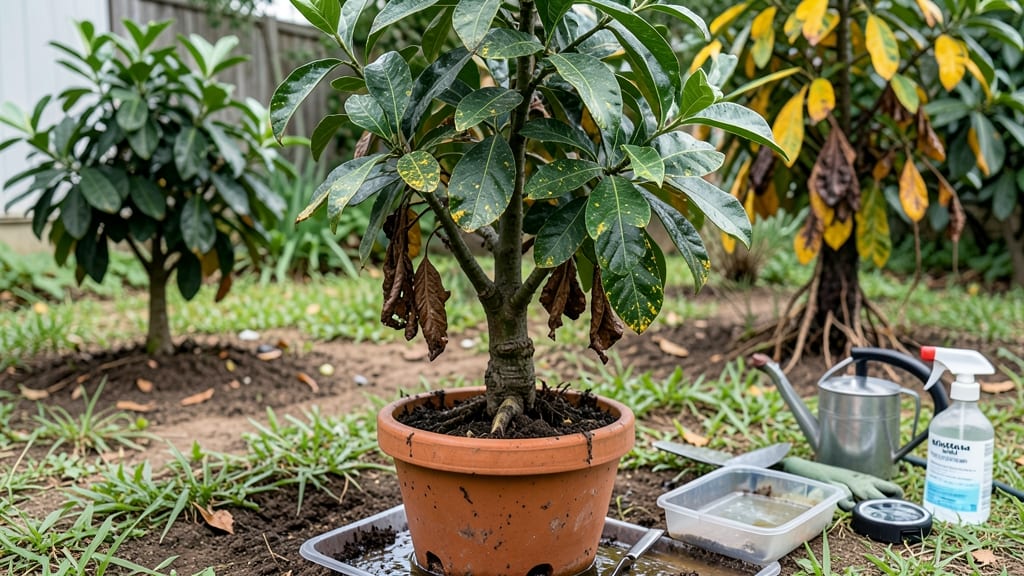
How to fix an overwatered avocado plant starts with recognizing the warning signs—yellowing leaves, mushy stems, or roots that smell sour. 🌱 I’ve nursed back more than a few of these, and the key is acting fast before root rot takes over. The good news? With the right steps, your plant can bounce back stronger than ever.
First, stop watering immediately and move the plant to a brighter spot—avocados hate soggy roots and weak light. Check the soil: if it’s still damp after 24 hours, it’s time to repot into fresh, well-draining mix.
Trim any blackened roots with clean scissors, then let the plant air-dry for a full day before watering lightly again.
Long-term, upgrade to a pot with drainage holes and a mix that mimics avocado’s native soil—think chunky, sandy, and fast-draining. Water only when the top 2 inches of soil feel dry, and always use a pot slightly larger than the root ball.
Within 72 hours, you’ll see signs of recovery: firmer stems, perky leaves, and a healthier root system.
Prevention is easier than rescue: stick your finger in the soil before watering—if it’s damp, wait. And here’s a pro tip: avocados love humidity but hate wet feet, so mist the leaves occasionally but never let the pot sit in saucers of water. Trust me, your plant will thank you.
Why it happens
Overwatering your avocado plant can feel like a slow-motion disaster—one day, your leafy green friend is thriving, and the next, its roots are drowning in a soggy mess.
But why does this happen? Let’s dig into the science behind it, so you can spot the warning signs before it’s too late. 🌱💦
🌊 Poor Drainage in the Soil
Avocado plants hate sitting in wet feet. Their native habitats in Mexico and Central America are well-drained volcanic soils, which allow excess water to flow away quickly. When you pot your avocado in regular potting mix—especially heavy, clay-based blends—the water pools around the roots instead of draining.
Over time, this creates an anaerobic (oxygen-free) environment, where roots suffocate and rot. Think of it like breathing through a wet paper bag: unpleasant and deadly.
- Signs: Yellowing leaves, mushy stems, or soil that stays damp for days after watering.
- Why it’s dangerous: Fungal pathogens like Phytophthora thrive in soggy conditions, attacking roots and cutting off nutrient uptake.
📏 Overpotting Without Adjustments
You might assume a bigger pot equals more space for growth—but for avocados, it’s a recipe for disaster. Larger pots hold more water, and if the drainage holes are inadequate or clogged, excess moisture lingers.
Without a proportional increase in root zone aeration, the plant’s roots can’t “breathe” fast enough to process the water, leading to hypoxia (oxygen starvation). It’s like giving a swimmer a life jacket that’s too big—they sink.
- Signs: Wilting despite wet soil, black or brown root tips, or a foul smell near the base.
- Why it’s dangerous: Roots prioritize oxygen over water, so when they’re submerged, they start to die back to conserve energy.
🌡️ Temperature and Humidity Mismatches
Avocados are tropical but not tropical rainforest plants—they evolved in seasonal climates with distinct dry and wet periods. If your home is too humid (like a greenhouse) or too cold (below 60°F/15°C), the plant’s natural water-regulation mechanisms slow down.
Combined with overwatering, this creates a double whammy: the roots can’t transpire (release water) efficiently, and excess moisture builds up.
| Condition | Risk | Fix |
|---|---|---|
| High humidity (>70%) | Slows evaporation, trapping moisture in soil | Use a dehumidifier or improve airflow with a fan |
| Cold drafts (<55°F/13°C) | Reduces root activity, preventing water uptake | Move plant away from AC vents or windows |
🔄 Inconsistent Watering Habits
Avocados despise inconsistency. If you water them heavily one day and then forget for a week, their roots develop a “feast or famine” cycle. During the “feast” phase, they absorb too much water, swelling and becoming vulnerable to rot.
Then, when you skip watering, the roots can’t adjust quickly enough because they’ve lost their ability to regulate moisture. It’s like a sponge that’s been squeezed dry—it can’t bounce back.
- Signs: Leaves curling at the edges, brown spots on foliage, or a “thirsty” look despite damp soil.
- Why it’s dangerous: Fluctuating moisture levels stress the plant, weakening its immune system and making it prone to infections.
🌿 Wrong Potting Mix Composition
Not all soil is created equal. Avocados need a chunky, airy mix with perlite, pumice, or orchid bark to prevent compaction. If your potting soil is too dense (like garden soil or coconut coir without amendments), water can’t drain properly, and roots suffocate.
Even “well-draining” mixes labeled for succulents might lack the nutrients avocados need, forcing them to overcompensate by absorbing more water.
- Signs: Soil cracks when dry but stays clumpy when wet, or roots growing in circles (a sign of poor aeration).
- Why it’s dangerous: Compacted soil blocks oxygen flow, leading to root asphyxiation and secondary infections.
Reviving Your Avocado Plant Fast
An overwatered avocado plant can feel like a lost cause, but with the right steps, you can nurse it back to health in 72 hours or less. The key is acting quickly to address the root causes—literally—and giving your plant the care it needs to bounce back.
Below, we’ll break down the exact fixes for each common issue, plus prevention tips to keep your avocado thriving long-term.
Cause: Root rot from excess moisture, suffocating roots, or poor drainage. How to Fix It:
- 🔥 Step 1: Stop Watering Immediately Let the soil dry out completely before watering again. Stick your finger 2 inches deep—if it’s damp, wait another day.
- 🍳 Step 2: Repot in Fresh, Well-Draining Soil Remove the plant gently and inspect the roots. If you see black, mushy roots, trim them with sterilized scissors (discard the affected parts).
Repot in a terracotta pot (better drainage) with a mix of: - 50% cactus/succulent soil - 30% perlite or pumice - 20% compost
- 👨🍳 Step 3: Adjust Watering Habits Avocados hate soggy soil. Water only when the top 1–2 inches are bone-dry (about once every 7–10 days in warm weather, less in winter).
Cause: Anaerobic conditions from overwatering, leading to bacterial/fungal infections. How to Fix It: - 🔪 Step 1: Root Pruning & Disinfection If roots are black, slimy, or smell rotten, trim them back to healthy white/firm sections.
Rinse the roots in a 1:10 hydrogen peroxide solution (3% strength) for 10 minutes to kill pathogens.
- ⏰ Step 2: Let Roots Dry & Callus Place the pruned plant in a shady, dry spot for 24–48 hours to let cut roots seal. This prevents further infection.
- 🌡️ Step 3: Boost Soil Health Add 1 part sand or orchid bark to the new soil mix to improve aeration. Avoid fertilizing for at least 2 weeks—roots need time to recover.
Cause: Compacted soil, poor airflow, or nutrient imbalance from overwatering. How to Fix It:
- 💡 Step 1: Loosen the Soil Gently fluff the soil around the roots with a chopstick or your fingers to improve oxygen flow. Avoid disturbing the root ball too much.
- 🎯 Step 2: Fertilize Lightly (After Recovery) Once new growth appears, use a balanced, diluted fertilizer (e.g., 5-5-5) once a month. Overwatering + fertilizer = double damage.
- ✨ Step 3: Optimize Light & Humidity Move your avocado to bright, indirect light (no harsh sun yet). Increase humidity with a pebble tray or misting (but avoid soggy leaves).
- 💡 Use the "Finger Test" before watering—if the top 2 inches are dry, it’s time.
- 🌡️ Choose the Right Pot—terracotta or fabric pots dry faster than plastic.
- 🎯 Elevate the Pot to prevent water pooling at the bottom.
- ✨ Mulch with Perlite on top of soil to slow evaporation and improve drainage.
- 🔄 Repot Every 1–2 Years to refresh soil and prevent compaction.
With these steps, your avocado should show signs of recovery in 3–7 days—new leaves, firmer stems, and a perkier posture. If the damage is severe (e.g., no leaves left), don’t give up! Some avocados recover even from near-death situations with patience and proper care. 🌿
Frequently asked questions
How do I know if my avocado plant is overwatered?
Check for these signs: yellowing leaves (especially lower ones), mushy stems, soil that stays damp for more than 24 hours, or roots that smell sour or look black and slimy. If the leaves feel soft or droop despite wet soil, your plant is definitely suffering from overwatering.
Can I save an avocado plant with root rot?
Yes! Trim away all black, mushy roots with sterilized scissors, then repot in fresh, fast-draining soil. Let the plant dry out for 48 hours before watering lightly. With proper care, many plants recover within 1-2 weeks—just avoid fertilizing until new growth appears.
What's the best soil mix for avocado plants after overwatering?
Use a blend of 50% cactus/succulent soil, 30% perlite or pumice, and 20% compost. This creates air pockets that prevent compaction. Terracotta pots work best—they wick away excess moisture faster than plastic.
How often should I water my avocado after fixing overwatering?
Wait until the top 2 inches of soil feel completely dry. In warm weather, this might be once every 7-10 days, while winter care may require watering only every 2-3 weeks. Always check with your finger before watering!
Will my avocado plant grow back if all the leaves turn brown?
Don't give up! If the stems are still firm and roots look healthy (white/firm), new leaves will regrow from the base. Keep the plant in bright, indirect light and maintain consistent moisture—avoid both underwatering and overwatering during recovery.