
How To
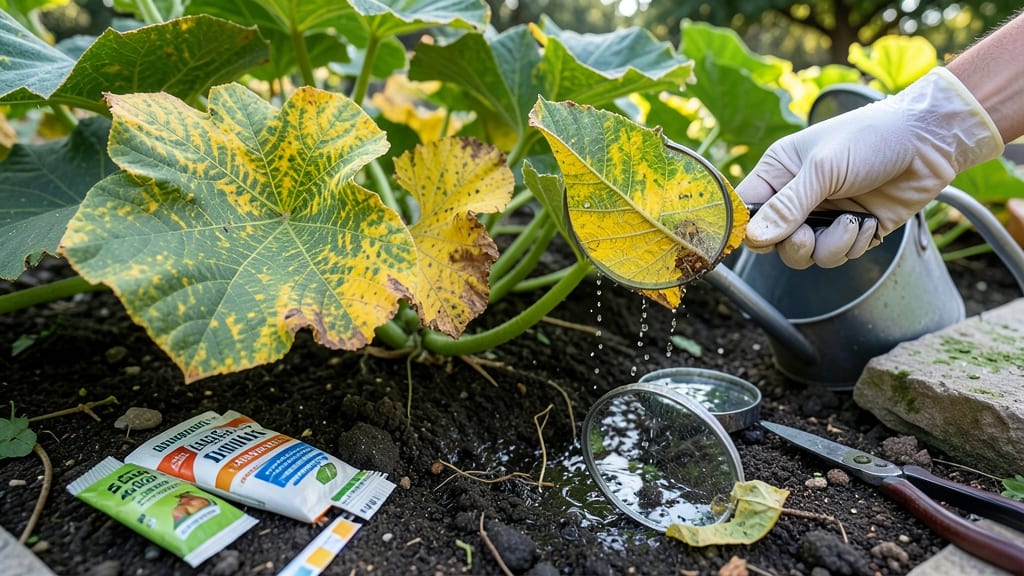
Yellow pumpkin leaves don’t mean your harvest is doomed. 🌱 After years of patchy vines and wilting foliage, I’ve cracked the code on what’s really causing those sad, yellow patches—and how to fix them fast.
Most gardeners blame overwatering first, but the real culprits are often hidden: nutrient deficiencies (like nitrogen or magnesium), root rot from soggy soil, or pests like cucumber beetles munching on leaves.
The good news? Each problem has a targeted fix—no guesswork. Start by checking the soil moisture and leaf texture (crispy edges? Too dry; mushy stems? Overwatered).
Within 7-10 days of adjusting care, you’ll see fresh green leaves pushing out again. My pumpkins went from struggling to thriving after swapping heavy watering for deep, infrequent soaks and adding compost tea. The key is acting now—before the vines give up completely.
This works for squash, zucchini, and melons too. Let’s get those leaves perky again—your future pies depend on it.
Root Causes of Yellowing Pumpkin Leaves
When your pumpkin leaves start turning yellow, it’s often your plant’s way of signaling distress—like a tiny, leafy SOS. Understanding the why behind the discoloration is the first step to saving your harvest.
Below, we break down the most common culprits, backed by science, so you can diagnose the issue and take targeted action.
Pumpkins are heavy feeders, and yellowing leaves can be a clear sign they’re not getting the right nutrients. Here’s what to watch for: - 💡 Nitrogen Shortage (Most Common) Yellowing starts on older leaves (a classic sign) because the plant prioritizes sending nitrogen to new growth. If your soil lacks this essential nutrient, leaves may turn pale yellow or even brown at the edges.- Test for it: Check soil pH (ideal: 6.0–6.8). Nitrogen leaches quickly in sandy or acidic soils.
- Quick fix: Apply a balanced fertilizer (10-10-10) or compost tea to replenish nitrogen.
- Test for it: Scratch a leaf—if the underside is yellow, magnesium is likely the issue.
- Quick fix: Sprinkle Epsom salt (1 tbsp per gallon of water) every 2 weeks or work in dolomitic lime into the soil.
- Test for it: Perform a soil test kit or observe new leaves turning yellow while older ones stay green.
- Quick fix: Acidify soil with sulfur or use chelated iron sprays (apply in the morning to avoid leaf burn).
- Test for it: Gently tug on the plant—if it pulls out easily, roots are rotting.
- Quick fix:
- Stop watering immediately and let soil dry out.
- Improve drainage by amending soil with perlite or compost.
- Apply a copper fungicide to prevent spread.
- Quick fix: Raise plant beds or install drip irrigation to control moisture. Avoid watering until the top 2 inches of soil are dry.
- Quick fix:
- Provide afternoon shade with a row cover or shade cloth (30–50% coverage).
- Mulch heavily with straw to cool root zones.
- Quick fix: Use row covers or plant in a south-facing location for warmth. Avoid planting too early in cool climates.
- Quick fix: Blast off pests with a strong spray of water or use neem oil (1 tsp per quart of water, spray every 5 days).
- Quick fix:
- Remove and destroy infected leaves.
- Apply baking soda spray (1 tbsp baking soda + 1 tsp soap + 1 gallon water).
- Improve airflow with spacers between plants.
Now that you’ve identified the likely cause, the next step is action. Each of these issues has a targeted solution—so grab your gloves and let’s get those pumpkin leaves back to their vibrant green! 🚀
Fix Yellow Leaves Fast
Now that you know the culprits behind those sad, yellowing pumpkin leaves, it’s time to take action! Whether it’s nutrient deficiencies, pests, or environmental stress causing the problem, these solutions are designed to be practical and effective. Let’s turn those wilting leaves back into vibrant green powerhouses.
---
Yellowing leaves often signal a lack of essential nutrients. Here’s how to diagnose and treat the most common deficiencies:
#### 🔥 Low Nitrogen (Pale Yellow Leaves) Nitrogen is the backbone of leafy growth, and a deficiency makes leaves turn pale yellow, often starting from the older ones. How to Fix It: - Apply a balanced fertilizer (10-10-10 or 20-20-20) around the base of the plant.
Follow the package instructions for dosage. - Use compost or manure tea for a slow-release, organic boost.
Mix 1 part compost with 5 parts water, let it steep for 24 hours, then water your pumpkins with it. - Top-dress with grass clippings (if organic) or coffee grounds for a quick nitrogen fix.
Prevention Tip: 💡 Before planting, amend the soil with compost or a slow-release nitrogen fertilizer to keep levels steady.
---
#### 🍳 Magnesium Deficiency (Interveinal Chlorosis) Yellowing between the veins (while veins stay green) is a classic sign of magnesium deficiency, often called "lime-induced chlorosis." How to Fix It: - Apply Epsom salt (magnesium sulfate).
Dissolve 1 tablespoon in a gallon of water and spray it on the leaves or water the soil.
Repeat every 2-3 weeks. - Use dolomitic lime if your soil is acidic (test your soil pH first—aim for 6.0-6.8 for pumpkins). - Mulch with magnesium-rich materials like wood ash (sparingly) or banana peels (composted).
Prevention Tip: 🌡️ Regularly test your soil and adjust pH as needed. Magnesium deficiencies are common in sandy or acidic soils.
---
#### 👨🍳 Iron or Zinc Deficiency (Yellowing New Growth) Young leaves turning yellow or white with green veins? It’s likely iron or zinc deficiency, common in alkaline soils. How to Fix It: - Use chelated iron or zinc sulfate.
Mix 1 teaspoon of chelated iron with a gallon of water and spray it on the leaves. For zinc, use 1 tablespoon per gallon. - Apply sulfur to lower soil pH if it’s too alkaline (test first!).
Sprinkle 1 pound of elemental sulfur per 100 square feet and water it in. - Use organic amendments like worm castings or fish emulsion, which contain trace minerals.
Prevention Tip: 🎯 If your soil is consistently alkaline, consider planting pumpkins in raised beds with acidic soil amendments.
---
Pests and diseases can drain nutrients and cause yellowing. Here’s how to tackle them:
#### 🔪 Squash Vine Borers or Aphids These pests suck the life out of leaves, leading to yellowing and wilting. How to Fix It: - Handpick larvae or adults in the morning when they’re sluggish.
Drop them into soapy water. - Spray with neem oil (1 teaspoon per quart of water + a drop of dish soap as an emulsifier).
Reapply every 5-7 days. - Use row covers early in the season to prevent egg-laying. - Encourage beneficial insects like ladybugs or lacewings by planting marigolds nearby.
Prevention Tip: ✨ Plant pumpkins after warm-season crops (like beans) to disrupt borer life cycles.
---
#### 🍄 Powdery Mildew or Blight Fungal infections cause yellow spots, wilting, and leaf drop. How to Fix It: - Improve airflow by spacing plants 3-4 feet apart and pruning nearby foliage. - Spray with baking soda solution (1 teaspoon baking soda + 1 quart water + a drop of soap).
Apply every 7-10 days. - Use copper fungicide (follow label instructions) for severe infections. - Remove and destroy infected leaves to prevent spread.
Prevention Tip: 💡 Water at the base of plants in the morning to keep leaves dry and reduce fungal growth.
---
Sometimes, the issue isn’t what’s in the soil but what’s around it.
#### 🥘 Overwatering or Poor Drainage Yellowing leaves with mushy stems or yellowing from the bottom up? Your pumpkins might be drowning. How to Fix It: - Check soil moisture before watering.
Stick your finger 1-2 inches into the soil—if it’s damp, wait. - Improve drainage by adding compost or sand to heavy clay soil. Consider raised beds if drainage is chronically poor. - Water deeply but less frequently (1-2 inches per week) to encourage deep root growth.
Prevention Tip: ⏰ Use drip irrigation or soaker hoses to deliver water directly to the roots and avoid wetting leaves.
---
#### ☀️ Heat or Sun Stress Scorched or yellowed leaves in hot weather?
Pumpkins can get sunburned too! How to Fix It: - Provide afternoon shade with shade cloth (30-50%) during extreme heat. - Mulch heavily (2-3 inches of straw or wood chips) to keep roots cool and retain moisture. - Water deeply in the early morning to reduce evaporation and stress.
Prevention Tip: 🌿 Choose heat-tolerant pumpkin varieties like ‘Howden’ or ‘Cinderella’ if you’re in a hot climate.
--- Final Pro Tip: 🔄 Rotate crops annually to prevent nutrient depletion and disease buildup in the soil. Pumpkins are heavy feeders, so give them a break every few years!
Frequently asked questions
Why are my pumpkin leaves turning yellow only on the edges?
Edge yellowing usually signals overwatering or heat stress. Check soil moisture—if it's soggy, reduce watering. For heat stress, provide afternoon shade with a lightweight row cover (30-50%) and mulch heavily with straw to retain moisture. Yellow edges on older leaves can also indicate magnesium deficiency—try foliar spraying with Epsom salt (1 tbsp per gallon).
Can I still save my pumpkins if most leaves are yellow?
Yes! Act fast—yellow leaves mean the plant is struggling, but pumpkins are resilient. Focus on fixing the root cause (nutrients, pests, or water issues) and prune severely damaged leaves to redirect energy to healthy growth. If the vines are still firm and new leaves are green, your pumpkins can recover within 2-3 weeks with proper care. Harvest any developing fruit first to avoid losing your crop.
How do I tell if my pumpkin has a nutrient deficiency vs. a pest problem?
Nutrient deficiencies cause uniform yellowing (often between veins for magnesium or on older leaves for nitrogen), while pests create irregular yellow spots, holes, or webbing. Check leaf undersides for tiny bugs (aphids, mites) or sticky residue (honeydew). For deficiencies, yellowing appears gradual; pests cause sudden damage. Start with a neem oil spray if you see pests, or test soil pH for nutrient issues.
Is it safe to use Epsom salt on pumpkin plants?
Epsom salt (magnesium sulfate) is safe and effective for pumpkins when used correctly. Mix 1 tablespoon per gallon of water and apply as a foliar spray or soil drench every 2-3 weeks. Avoid overusing—more isn’t better. For severe deficiencies, combine with dolomitic lime (for soil pH) and compost tea (for overall nutrients). Always water plants thoroughly after application to prevent salt buildup.
Will yellow pumpkin leaves affect my harvest?
It depends on the cause and how quickly you act. Mild yellowing (like early nitrogen deficiency) rarely harms fruit production, but severe issues (root rot, pests, or blight) can reduce yields or quality. Focus on healthy vines and new growth—if your pumpkins have firm stems and are still growing, they’ll likely produce fruit. Monitor closely and adjust care to restore leaf health within 10-14 days to ensure a full harvest.