
Tools
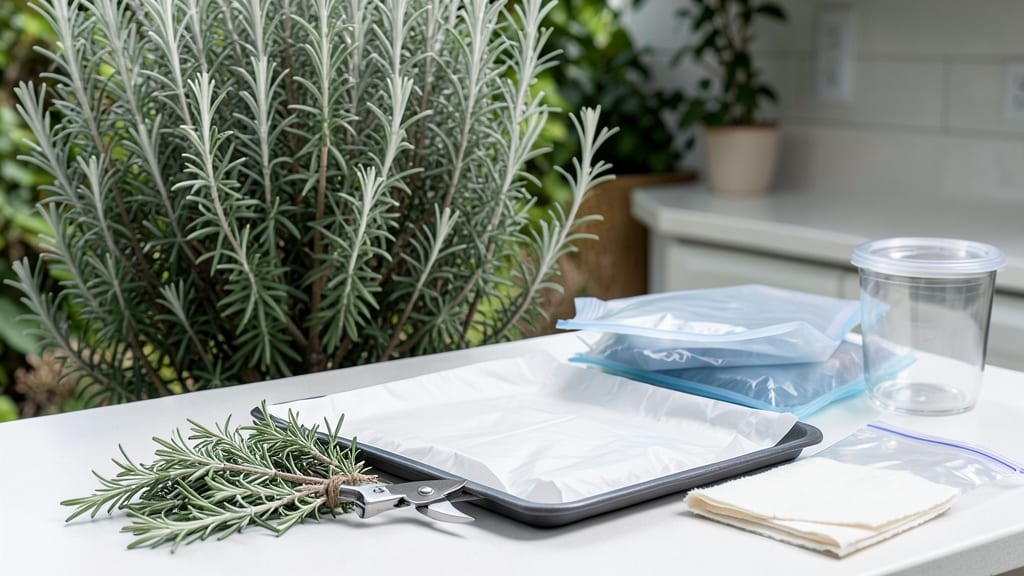
Freezing rosemary from your garden locks in that piney-fresh flavor for winter soups and roasts. 🌿 I learned the hard way—dried rosemary loses its punch, but frozen sprigs stay vibrant for up to a year. The secret? Harvesting at peak flavor (late summer) and freezing properly to avoid freezer burn.
You’ll need just 3 simple supplies: fresh rosemary sprigs, a paper towel, and freezer bags or ice cube trays. First, trim woody stems and pat leaves dry—moisture is the enemy of good storage. Then choose your method: whole sprigs for easy grabbing or chopped leaves for convenience.
By freezing rosemary this way, you’ll preserve its aromatic oils better than drying ever could. The texture stays slightly crisp, perfect for tossing into dishes straight from the freezer. No more reaching for sad, brittle herb bundles from last year!
Works for any variety—French, Tuscan, or upright rosemary—and scales from small harvests to large batches. Just avoid overpacking bags to prevent ice crystals. Ready to stock your freezer with garden-fresh flavor?
📚 In This Guide
- What you need
- Instructions
- Tips and common mistakes
- Wrapping up and next steps
What you need
- ● Fresh rosemary sprigs: Harvest organic, pesticide-free rosemary (about 1–2 cups of tightly packed sprigs). Choose stems with bright green, woody bases and small, needle-like leaves.
- ● Paper towels or clean kitchen towels: 2–3 sheets for drying (patent-pending for moisture removal!).
- ● Sharp kitchen shears or pruning scissors: For clean cuts—avoid tearing the stems!
- ● Freezer-safe storage containers: Option 1: Air-tight glass jars (e.g., 8–16 oz mason jars with sealing lids).
- ● Option 2: Heavy-duty freezer bags (e.g., quart or gallon-sized with ziplock seals).
- ● Option 3: Silicon ice cube trays (for small-batch freezing in oil or water).
- ○ Optional add-ins (for flavor boosts): Olive oil or melted butter: 2–3 tbsp (for rosemary-infused oil).
- ● Water or broth: 1–2 tbsp (for ice cube freezing).
- ● Clean workspace: A washable surface (like a cutting board or tray) to prep herbs.
- ● Time commitment: 30–45 minutes for prep + 1–2 hours for freezing (if using oil/water).
- ● Labeling supplies: Masking tape + marker (to label containers with date and herb type).
- ● Freezer space: Ensure your freezer is -18°F (-28°C) or colder for optimal preservation.
Step-by-Step instructions for freezing fresh rosemary
Here's the foolproof method I use to lock in rosemary's piney aroma for winter cooking.
🌿 Step 1: Harvest and Prep the Stems
Pick rosemary stems on a dry morning after the dew has evaporated. Look for healthy, green sprigs with no yellowing or woody stems—these won't freeze well. Trim off any brown ends with clean scissors, then strip the leaves from the stems by running your fingers upward. You'll need about 1 cup of leaves (roughly 4-5 sprigs) for each standard freezer bag.
Lay the leaves on a clean kitchen towel and pat them dry with another towel. Any moisture trapped in the freezer will turn to ice crystals and dull the flavor. I spread them in a single layer on a baking sheet to air-dry completely—this takes about 15-20 minutes. The leaves should feel crisp rather than damp to the touch.
💧 Step 2: Blanch for Optimal Flavor
Bring a small pot of water to a rolling boil and prepare an ice bath by filling a bowl with water and ice. Working in batches, blanch the rosemary leaves for exactly 30 seconds. This brief heat treatment preserves color and flavor while halting enzyme activity that causes deterioration.
Drain the leaves immediately and plunge them into the ice bath for 30 seconds to stop the cooking process. Use a slotted spoon to transfer them to paper towels and pat completely dry. The leaves should be cool to the touch and fully dry before freezing—any remaining moisture creates freezer burn and dulls the aroma.
🪴 Step 3: Package for Freezing
Portion the dried leaves into 1-cup portions in re-sealable freezer bags. I press out as much air as possible before sealing to prevent freezer burn. For whole sprigs, tie them with twine in small bundles (about 3-4 inches long) and place them in a single layer on a tray before freezing. This prevents clumping and makes it easy to grab just what you need later.
Label each bag with the date and contents—rosemary stays best for up to 12 months when frozen properly. I like to add a note about the harvest year for sentimental value (and to remind myself when to refresh my supply). Place the bags in the freezer, laying them flat until completely frozen—this takes about 2-3 hours.
⏰ Step 4: Store and Use Properly
Transfer the frozen rosemary to a designated freezer bin where you'll access it regularly. For best results, use the frozen leaves within 6 months for peak flavor. When ready to use, simply open the bag and sprinkle the leaves directly into soups, stews, or marinades—no thawing required. The leaves will release their aroma as they heat up.
For whole sprigs, you can thaw them in the refrigerator overnight and use them like fresh rosemary in baked goods or roasted dishes. I've found that frozen rosemary works beautifully in homemade bread doughs and herb-infused oils—just add it straight from the freezer to the recipe. The flavor may be slightly muted compared to fresh, but it's still far superior to dried rosemary from the store.
Tips & tricks for perfectly preserved rosemary
Between us, these little details make all the difference when freezing rosemary—trust me, I've learned the hard way after turning out freezer-burned herbs that tasted like cardboard. Here's what nobody tells you about keeping that garden-fresh flavor locked in.
Harvesting Matters: That 15-20 minute air-drying step in Step 1 isn't just about removing moisture—it's about preserving the essential oils that give rosemary its signature piney aroma. I've found that harvesting on a dry morning after dew evaporates gives you the freshest leaves. Avoid stems with yellowing leaves or woody centers—they'll turn mushy when frozen. Pro tip: If you can't process all your rosemary immediately, store the stems in a paper towel-lined container in the fridge for up to 3 days while you prep batches.
Blanching is Non-Negotiable: Skipping the 30-second blanch in Step 2 might save time, but it'll cost you flavor. That quick heat treatment stops enzymes that cause deterioration, preserving the vibrant green color and preventing that sad, dull brown you get with improperly frozen herbs. Here's what I learned the hard way: If your leaves float during blanching, they're not dense enough—strip more leaves from the stems. And always use an ice bath immediately after—hot leaves left to cool on their own will start re-releasing enzymes.
Freezer Organization Wins: The 2-3 hours it takes to freeze flat in Step 3 isn't just about speed—it's about preventing clumping. I've started using square freezer bags instead of rectangular ones because they stack more efficiently and prevent crushing. For whole sprigs, I now use wooden skewers instead of twine—they're easier to remove when you're ready to use the herbs. Labeling with both the date AND harvest year has saved me from using rosemary that's been sitting in the freezer for 18 months instead of the ideal 6 months.
Usage Hack: Don't make my mistake of thawing whole sprigs before using them in recipes that don't require it. For most dishes, you can add frozen rosemary leaves directly from the freezer—just sprinkle them in during the last few minutes of cooking. The heat will release their aroma without you losing any flavor to thawing. For baked goods where you need the sprigs intact, that overnight fridge thaw in Step 4 works perfectly, but I've found you can also chop frozen sprigs directly into doughs—they'll soften as they bake.
Pro Tips for Freeze Rosemary From The Garden
- Between us, these little details make all the difference when freezing rosemary—trust me, I've learned the hard way after turning out freezer-burned herbs that tasted like cardboard.
- Harvesting Matters: That 15-20 minute air-drying step in Step 1 isn't just about removing moisture—it's about preserving the essential oils that give rosemary its signature piney aroma.
- Blanching is Non-Negotiable: Skipping the 30-second blanch in Step 2 might save time, but it'll cost you flavor.
Frequently asked questions
Got questions about freezing rosemary? You’re not alone—here are some of the most common concerns, answered for you!
Can I freeze rosemary with or without stems?
Both work, but without stems is ideal for cooking! If using stems, remove them before chopping into dishes. For garnishes or teas, stems add flavor—just crush them lightly. Pro tip: Trim woody stems first to make handling easier!
How long does frozen rosemary last?
Properly stored in an airtight container or freezer bag, rosemary keeps its flavor for 6–12 months. Check for freezer burn (dry, discolored spots) and use it within a year for the best taste. Label bags with the date to track freshness!
What if my rosemary turns brown or mushy after thawing?
This usually means excess moisture or long storage. To prevent it:
- Pat dry thoroughly before freezing.
- Avoid ice crystals by using silicone molds or wrapping tightly in parchment.
- Use frozen rosemary directly in cooked dishes—no thawing needed!
Can I freeze dried rosemary?
Yes! Drying first (in a dehydrator or oven at 200°F for 2–3 hours) concentrates flavor, making it even more potent when frozen. Warning: Dried rosemary freezes harder—crush it into smaller pieces first to avoid clumping. Perfect for soups, stews, or rubs!
Do I need to blanch rosemary before freezing?
Nope! Unlike veggies, rosemary doesn’t need blanching—it’s a herb, not a vegetable. Just wash, dry, and freeze raw for maximum flavor retention. For extra longevity, store in a vacuum-sealed bag to block air.
Wrapping up and next steps
Freezing rosemary from your garden is a simple way to preserve its vibrant flavor and aromatic magic for months—no fancy equipment needed! Whether you’re prepping for winter cooking or just love having fresh herbs on hand, this method ensures your rosemary stays bright and ready whenever inspiration strikes.
Now that you’ve mastered the basics, why not experiment? Try freezing different varieties (like Tuscan or needle-leaf rosemary) or blending it into homemade herb blends for soups, marinades, or roasted dishes. Your future self—and your taste buds—will thank you! 🌿✨