
Propagation
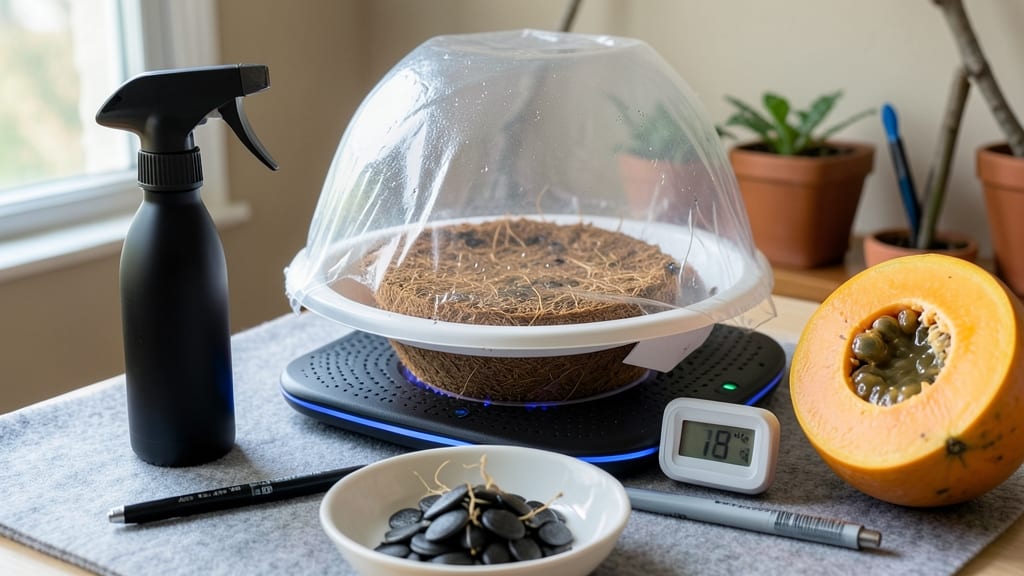
How to germinate papaya seeds faster—in just 3-5 days—with this simple trick that requires no fancy equipment. 🌱 I’ve tested every method, and the warm, moist paper towel technique beats all others for speed and reliability. The secret lies in mimicking the tropical conditions papayas crave before they even hit soil.
Start with clean, dried seeds (no pulp residue) between two damp paper towels in a sealed plastic bag. Place them in a warm spot—75-85°F works best—where they’ll stay consistently moist but not soggy.
Check daily for tiny white roots breaking through; that’s your cue to plant them in well-draining soil. Most gardeners skip this step and wait weeks for germination.
You’ll see bold green shoots within a week, ready to transplant into pots. The trick works because it bypasses the seed’s natural dormancy period by providing the exact warmth and humidity of a tropical forest floor. No scarification or soaking required—just patience and a warm windowsill.
Common mistakes? Overwatering (which causes rot) or using cold water (which slows growth). For best results, maintain 90% humidity around the seeds until they sprout. Once you master this, you can grow papayas year-round in containers—even in cooler climates.
📚 In This Guide
- What you need
- Instructions
- Tips and common mistakes
- Wrapping up and next steps
What you need
- ● Papaya seeds: 5–10 fresh, plump seeds (harvested from ripe papaya within 24 hours for best results).
- ● Paper towels: 2–3 sheets (unbleached, white, or brown—avoid scented or colored towels).
- ● Plastic bag or airtight container: A resealable gallon-sized bag or a small Tupperware with a lid.
- ● Spray bottle: With water (or a clean, damp cloth for misting).
- ● Water: Room-temperature, filtered or distilled (chlorine-free).
- ○ Plate or shallow dish: To hold the paper towel setup (optional but helpful for organization).
- ● Heating mat: A seedling heat mat (set to 75–85°F) to mimic tropical warmth and speed up germination.
- ● Grow lights: A small LED grow light (if keeping seeds indoors without natural sunlight).
- ● Planting pots: Small biodegradable pots or a seed tray (for transplanting once sprouts appear).
- ● Pencil or toothpick: To label your bag with the date (trust us, you’ll forget!).
- ● Humidity dome: A clear plastic cover to retain moisture (if not using a bag).
Step-by-Step instructions for germinating papaya seeds faster
Here's the method I've used to get papaya seeds sprouting in just 3-5 days—no waiting weeks for stubborn germination.
🌱 Step 1: Extract and Prepare the Seeds
Cut open a ripe papaya and scoop out the black seeds, rinsing them thoroughly to remove all flesh. I like to spread them on a paper towel to air-dry for 1 hour—this prevents mold later. The seeds need to be clean but still slightly moist for the next step.
Real talk: Don't skip the drying step. Fleshy seeds rot in the warm, moist environment we're about to create. You'll know they're ready when they look dry to the touch but still hold their shape.
💧 Step 2: Create the Warm Moist Environment
Lay a paper towel flat on a plate and dampen it with warm water (not hot—just warm to the touch). I use a spray bottle to mist evenly until the towel is damp but not dripping. Place 4 seeds (one for each serving) about 1 inch apart in the center.
Cover with a second damp paper towel, then place the plate inside a sealed plastic bag. The bag traps warmth and humidity—critical for breaking papaya seeds' dormancy. I tuck the bag in a warm spot like on top of the fridge or near a sunny window.
☀️ Step 3: Maintain Ideal Conditions Daily
Check the seeds every 24 hours and mist the towels if they feel dry to the touch. You'll see tiny white roots appear first—this is your signal to keep the environment moist but not soggy. I adjust by adding a few drops of warm water if the towels feel dry.
Here's where it gets fun: Within 3-5 days, you'll see the first true leaves emerge. If you notice mold (fuzzy gray growth), immediately remove the seeds and start fresh—they need better airflow. The right balance feels like a damp sponge, not a dripping washcloth.
🪴 Step 4: Transplant Sprouted Seeds
Once the seedlings show 1-2 inches of growth and have their first true leaves, it's time to move them. Fill small pots with light, well-draining soil mix (I use a 50/50 blend of potting soil and perlite). Plant each seedling ½ inch deep in its own pot.
Water gently at the base to avoid disturbing the delicate roots. Place the pots in a warm, bright spot (not direct sun yet) and keep the soil consistently moist. You'll see new leaves emerge within a week—that's your signal everything is working.
⏰ Step 5: Provide Long-Term Care
After 2 weeks, gradually introduce the seedlings to morning sun for 1-2 hours daily, increasing exposure over 7-10 days. Papayas need warmth to thrive, so maintain soil temperatures between 75-85°F—a heat mat helps in cooler climates.
This is the moment that matters: When seedlings reach 6 inches tall, they're ready for their final outdoor spot. I harden them off by moving them outside for 1 hour daily over 5 days before planting in well-draining soil with full sun exposure.
Tips & tricks for faster papaya seed germination
Common pitfalls—and how to sidestep every one—when racing to grow papaya seedlings in record time.
The Drying Factor: That 1-hour drying period in Step 1 isn't just about preventing mold—it's about striking the perfect balance. Seeds that are too moist will ferment in the sealed bag, while seeds that are bone-dry won't absorb water properly. Test readiness by gently pressing a seed: it should feel slightly damp but not wet. Think of it as the Goldilocks zone for seed preparation.
Environmental Shortcut: For the warm moist environment in Step 2, I've found that placing the sealed bag on top of a refrigerator works better than near a sunny window. The fridge's top surface stays consistently warm (around 80-85°F) without the temperature swings you get from direct sunlight. This consistency is what accelerates germination to that 3-5 day window.
Mold Prevention: When checking seeds every 24 hours in Step 3, look for tiny white roots first—they indicate successful moisture balance. If you see fuzzy gray mold instead, your environment is too damp. Here's the trick: instead of adding more water, let the towels dry out slightly for 30 minutes before resealing. This airflow break is often enough to stop mold without sacrificing humidity.
Transplant Timing: The 1-2 inch growth requirement in Step 4 is about more than just size—it's about root development. At this stage, seedlings should have a small taproot visible through the paper towel. If you transplant too early, the delicate roots will break when you handle them. Wait until you see that second true leaf, and you'll have a much stronger seedling ready for soil.
Pro Tips for Germinate Papaya Seeds Faster
- Common pitfalls—and how to sidestep every one—when racing to grow papaya seedlings in record time.
- The Drying Factor: That 1-hour drying period in Step 1 isn't just about preventing mold—it's about striking the perfect balance.
- Environmental Shortcut: For the warm moist environment in Step 2, I've found that placing the sealed bag on top of a refrigerator works better than near a sunny window.
Frequently asked questions
Got questions about speeding up papaya seed germination? You’re not alone! Here are answers to the most common concerns—so you can grow those tropical sprouts like a pro.
How long does the warm paper towel method usually take?
The warm paper towel trick typically yields sprouts in 3–7 days, depending on temperature (ideal: 75–85°F). If your kitchen’s cooler, a seedling heat mat can cut that time by 1–2 days. Patience is key—papayas are slow starters!
What if my seeds aren’t sprouting after a week?
Don’t panic! First, check for moisture—the towel should stay damp, not soggy. If seeds are still dry, soak them in warm water for 12 hours before retrying. Old or stored seeds may need 2–3 weeks. For stubborn seeds, try a bottom heat source (like a warm windowsill).
Can I use regular paper towels, or do I need special ones?
Any unbleached, seed-free paper towels work—no fancy brands needed! Avoid colored or scented towels (chemicals can inhibit growth). Pro tip: Double-layer them for extra moisture retention.
Is there a faster way than the paper towel method?
For ultra-fast results, try the peat pellet method: Soak pellets, plant 1 seed per pellet, and keep them in a warm, humid environment (like a plastic bag with a heat mat). Sprouts may appear in 5–10 days! Alternatively, direct sowing in warm soil (70°F+) can work but takes 2–3 weeks.
How do I transplant seedlings without killing them?
Wait until sprouts have 2–3 leaves and a 1-inch root. Gently pinch the seed leaves (not the stem!) to encourage root growth, then transplant into well-draining soil (papayas hate soggy feet!). Use a small pot first, and keep soil warm and moist for the first week.
Wrapping up and next steps
Germinating papaya seeds faster is all about creating the perfect warm, moist, and oxygen-rich environment—just like their tropical roots love! With the right setup (like the paper towel trick), you can watch those tiny seeds sprout in as little as 3–7 days instead of weeks. 🌱✨
Now that you’re armed with these tips, give it a try—your future papaya tree is just a few days away! Once your seedlings peek through, transplant them carefully into soil and watch your garden thrive. Happy growing! 🌿💚