
Pests
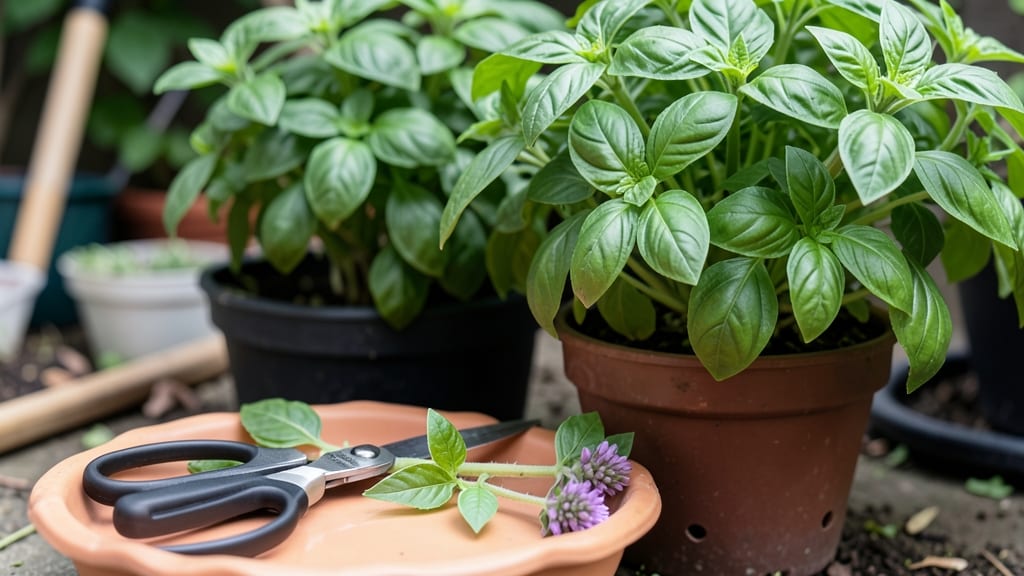
How to get bushy basil starts with two simple cuts—pinch and prune. 🌿 I’ve turned leggy, sparse basil into a leafy, fragrant powerhouse by mastering these techniques, and you can too. The secret? Encouraging the plant to branch out instead of stretching upward. Most gardeners overlook pruning until the plant looks sad—by then, it’s too late. Start early, and you’ll see new shoots forming within 7-10 days. Basil thrives on regular trims, especially when it reaches 6-8 inches tall. Just snip above a leaf node (where leaves meet the stem), and watch the magic happen. You’ll end up with a full, vibrant bush that stays productive for months. The leaves grow larger, the flavor deepens, and you’ll never buy wilted store basil again. Plus, it’s the same method for indoor pots or outdoor beds—just adjust the light. Fair warning: Over-pruning or using dull shears ruins the effect. Keep your tools sharp, and you’ll have basil so lush, neighbors will ask for cuttings. Here’s exactly how to do it right—no green thumb required.
📚 In This Guide
- What you need
- Instructions
- Tips and common mistakes
- Wrapping up and next steps
What you need
- ● Basil plants: 1–3 healthy basil seedlings or seeds (genovese, sweet, or purple basil work well). Pro tip: 💡 Start with young plants for faster results!
- ● Well-draining potting mix: 5–10 gallons (depending on container size). Use a blend with 50% potting soil and 50% perlite or compost for aeration.
- ○ Containers or garden bed: Pots: At least 6–12 inches deep and wide (basil thrives in shallow roots). Optional: Self-watering pots for convenience.
- ● Garden bed: Full sun (6+ hours/day) and loose, fertile soil with good drainage.
- ● Watering can or hose: With a gentle spray nozzle to avoid damaging leaves.
- ● Fertilizer: Balanced liquid fertilizer (10-10-10 or 20-20-20): Diluted to half-strength.
- ● Organic options: Compost tea or fish emulsion (every 2–3 weeks).
- ● Clean, sharp pruning shears: Small bypass pruners (or sterilized scissors) to avoid crushing stems.
- ○ Gloves (optional): For protection if your basil has thorns (like purple basil).
- ● Ruler or measuring tape: To ensure you’re pinching at the right nodes (1–2 inches above a leaf).
- ● Sunlight: 6+ hours of direct sunlight daily (south-facing windows or outdoor full sun).
- ● Temperature: Ideal range: 70–85°F (basil bolts in heat over 90°F).
- ● Consistent moisture: Keep soil evenly moist but not soggy (drought stress = fewer leaves!).
- ● Patience: Bushy growth takes 4–6 weeks of regular pinching!
Step-by-step instructions for pruning and pinching basil
Here’s how I turn leggy basil into a bushy, leafy powerhouse—no fancy tools needed.
🌱 Step 1: Identify the Right Time to Pinch
Wait until your basil plant has at least 6-8 true leaves (the smaller leaves that appear after the initial seed leaves). This usually happens 4-6 weeks after planting. Pinching too early stunts growth, while waiting too long lets the plant develop a tall, woody stem that’s harder to recover. You’ll know it’s ready when the plant looks like a small tree with a single main stem and branches starting to form.
I like to pinch on a bright, sunny morning—this gives the plant the best chance to recover by evening. Avoid pinching after rain or when the plant is stressed from heat or drought. The goal is to encourage new growth, not shock the plant.
✂️ Step 2: Pinch the Top Set of Leaves
Use your fingers (no scissors needed!) to gently pinch off the top set of leaves just above a pair of leaves where the stem splits into two branches. This is called the growth node, and it’s where new side shoots will sprout. You’ll see a small bump or split in the stem—this is your target spot. Pinching here removes the plant’s main growing point, forcing it to focus on producing bushier side branches instead.
If your basil is already leggy, you might need to pinch two or three sets of leaves down to encourage a fuller shape. Just work your way down the stem, always pinching just above a growth node. The more you pinch, the bushier the plant will become—but don’t go overboard. Removing too much at once can stress the plant.
🌿 Step 3: Prune Regularly for Continuous Growth
After your first pinch, keep an eye on the plant. New side branches will start growing within 7-10 days. Once these branches reach 3-4 inches tall, pinch them too—this keeps the plant compact and encourages even more side growth. I like to prune every 2-3 weeks during the growing season to maintain that bushy shape. You’ll know you’re doing it right when the plant looks full and dense instead of tall and sparse.
When pruning, always cut or pinch just above a leaf node (the point where leaves attach to the stem). Avoid leaving stubs—this can attract pests or cause rot. If you’re using scissors, sterilize them with rubbing alcohol first to prevent spreading disease. And here’s the thing—don’t toss those cuttings! You can propagate them in water or soil to grow new basil plants.
☀️ Step 4: Support Growth with Light and Water
Bushy basil thrives in 6-8 hours of direct sunlight daily, so place your plant where it gets plenty of light. If you notice the stems stretching toward the light or the leaves turning pale, it’s time to move it closer to a window or under a grow light. Leggy growth is a sign the plant isn’t getting enough light, so adjust its position immediately. You’ll see stronger, stockier stems and darker green leaves within a few days.
Water your basil when the top inch of soil feels dry—about 1-2 times per week, depending on your climate. Overwatering can cause the roots to rot, while underwatering leads to wilted, crispy leaves. I like to water deeply at the base of the plant in the morning so the leaves have time to dry out during the day. Avoid getting water on the leaves, as this can promote fungal diseases like downy mildew.
⏰ Step 5: Harvest Leaves to Encourage Bushiness
Here’s the secret: harvesting leaves regularly actually makes your basil bushier. When you pick leaves from the outer parts of the plant, you encourage new growth from the center. Start harvesting when the plant is 8-10 inches tall and has multiple branches. Use clean scissors or your fingers to snip or pinch leaves just above a growth node—this prevents the plant from becoming woody and encourages more branching.
Harvest outer leaves first, leaving the inner ones to keep growing. You can harvest 1/3 of the plant at a time without stressing it. If you’re growing basil for cooking, pick leaves in the morning when their essential oils are at their peak. And if your plant starts to flower, pinch off the flower buds immediately—they’ll make the leaves bitter and reduce bushiness. You’ll be rewarded with a constant supply of fresh, flavorful leaves and a plant that just keeps getting fuller.
Tips & tricks for perfect bushy basil
Transforming leggy basil into a lush, leafy plant takes patience—but these tricks make the process foolproof.
Timing is Everything: The 6-8 week window before your first pinch is critical. If you wait too long, the plant develops a thick, woody stem that's harder to recover. I've seen basil plants that were already 12 inches tall when I finally pinched—guess what? The lower stems stayed thin and woody. Always check for that 6-8 true leaf stage before you begin. This is when the plant has enough energy to respond well to pruning.
Light Check Before Pinching: Never pinch a plant that's struggling with light. First, move it to a spot with 6-8 hours of direct sunlight daily. You'll know it's ready when the stems stop stretching toward the light and the leaves turn a vibrant green. I once pinched a basil plant in low light, and it took 3 weeks to recover instead of the usual 7-10 days. The plant was too stressed to respond properly—don't make my mistake!
Pruning Frequency Secret: The 2-3 week pruning schedule works best when you're consistent. Set a reminder on your phone if needed! I find that sticking to this schedule prevents the plant from getting too leggy between sessions. When you see new branches reaching 3-4 inches, that's your cue to pinch again. This keeps the plant compact and encourages continuous bushiness throughout the growing season.
Harvesting Hack: Harvesting 1/3 of the plant at a time might seem like a lot, but it actually stimulates growth. When you remove outer leaves, you're telling the plant to focus its energy on the inner growth nodes. I've found that harvesting in the morning gives me the freshest leaves for cooking and prevents the plant from feeling stressed during the day. Plus, the morning light helps the leaves dry quickly, reducing the risk of fungal diseases.
Pro Tips for Get Bushy Basil
- Transforming leggy basil into a lush, leafy plant takes patience—but these tricks make the process foolproof.
- Timing is Everything: The 6-8 week window before your first pinch is critical.
- Light Check Before Pinching: Never pinch a plant that's struggling with light.
Frequently asked questions
Got questions about growing bushy basil? Here are some common ones—and their answers!
How often should I pinch basil to keep it bushy?
Pinch basil every 4–6 weeks (or when you see 6+ true leaves) to encourage branching. For container-grown basil, aim for every 2–3 weeks since it grows faster. Over-pinching can stress the plant, so balance is key—don’t go overboard!
When is the best time of year to grow bushy basil?
Basil thrives in warm weather, so plant it after the last frost (typically spring or early summer). If you’re in a mild climate, you can grow it year-round indoors with 12+ hours of light daily. Avoid winter outdoor growth—basil hates cold!
Can I use pruned basil stems for regrowth?
Never throw away pruned stems
—place them in a glass of water (like a bouquet) in bright light. Roots will sprout in 1–2 weeks, and you’ll have a free new basil plant! Just transplant it once roots are 2+ inches long.
Why is my basil growing tall and leggy instead of bushy?
Leggy basil usually means too little light or overcrowding. Move it to a sunny spot (6+ hours of direct light daily) and pinch the top to redirect energy to side shoots. If indoors, use a grow light 12 inches above the plant for 14–16 hours/day.
What’s the difference between pruning and pinching basil?
Both encourage bushiness, but pinching removes the top set of leaves (usually with your fingers) to spur side growth, while pruning cuts stems below a leaf node (with scissors) to shape the plant. Pinch young plants; prune mature ones.
Bonus Tip:
Need a quick fix for sparse basil? Try a “haircut” method: Cut 1/3 of the plant’s height just above a leaf pair. This shocks the plant into explosive regrowth—just do it in the morning so it recovers by evening!
Wrapping up and next steps
Growing a lush, bushy basil plant is totally within your reach—just remember the golden trio: pruning, pinching, and proper care. 🌿 With these techniques, you’ll enjoy a harvest of vibrant leaves for months and even deter pests along the way.
Don’t let a few setbacks discourage you; every gardener learns through trial and error.
Now that you’re armed with the know-how, grab those shears and get growing! 🌱 Try experimenting with different pruning schedules or even propagate your cuttings—your kitchen (and taste buds) will thank you. Happy gardening!