
How To
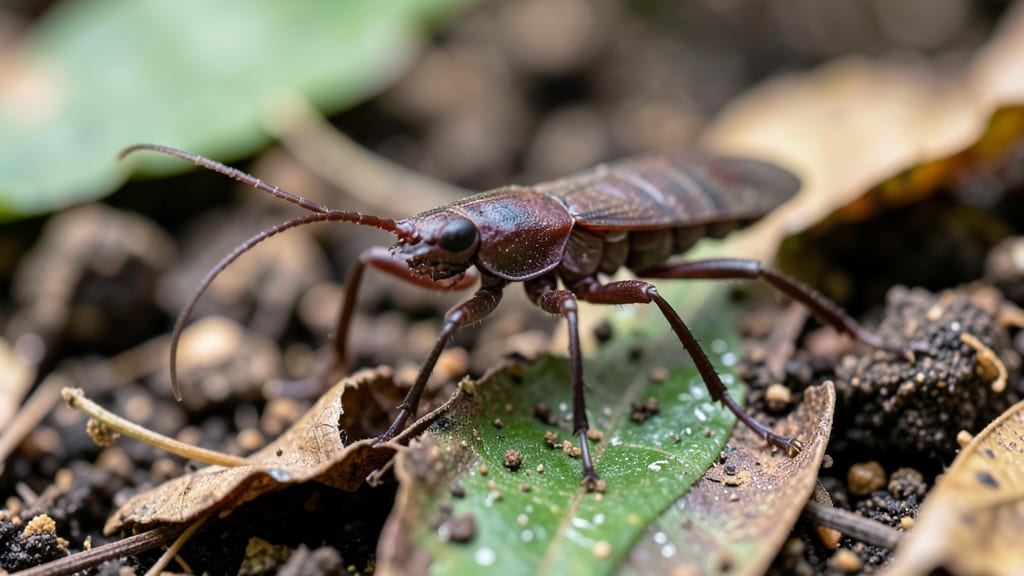
How to get earwigs out of your garden—the sneaky pests hiding in mulch are the reason your hostas look chewed to ribbons. 🌱 I’ve battled these armored pests for years, and the boiling water barrier method—smothering their hiding spots—finally gave me real relief without harsh chemicals. The key? Timing, technique, and a little patience.
They thrive in damp, dark corners under boards or rocks, soaking up moisture while munching through tender leaves. Most sprays miss them because they retreat when disturbed.
But boiling water cuts through that armor—one targeted pour and their little bodies can’t survive. It’s brutal, but it works where traps and sprays fail.
You’ll see results within 24 hours as they stop appearing under plants. The barrier method also prevents future invasions by eliminating their shelter. Plus, it’s safer for pets and kids than chemical sprays—just be careful with the scalding water.
Works for any garden bed, raised planters, or even potted plants. The secret? Consistency—check hiding spots weekly until you’re sure they’re gone. Here’s exactly how to do it without burning your garden (or yourself).
The Hidden Triggers Inviting Earwigs
Earwigs don’t just wander into your garden by accident—they’re drawn in by a mix of environmental cues, food sources, and shelter opportunities. Understanding these triggers is the first step to outsmarting them. Let’s break down the key reasons these pests decide your yard is their new home.
Earwigs thrive in damp, humid conditions because their exoskeletons are highly sensitive to dehydration. If your garden has:
- Poor drainage: Water pooling after rain or overwatering creates ideal breeding spots. Earwigs seek out these soggy areas to lay eggs and hide.
- Thick mulch or leaf litter: Organic debris retains moisture, mimicking their natural forest-floor habitat. A layer of damp mulch is like a five-star earwig hotel.
- Shady, humid microclimates: Under dense foliage or near structures (like patios or decks), humidity lingers, signaling earwigs that it’s a safe zone.
Science note: Earwigs are obligate humidivores, meaning they require high moisture levels to survive. Without it, they’ll relocate—or die.
Earwigs are opportunistic feeders, and your garden might be serving them a 24/7 all-you-can-eat salad bar. They target:
- Decaying plant matter: Rotting leaves, fallen fruit, or compost piles are their favorite snacks. A single earwig can consume up to 10% of its body weight daily in organic debris.
- Young, tender plants: Earwigs chew on leaves, flowers, and even seedlings, especially in vegetable gardens or herb beds. Their pincers can cause notched edges on leaves—a dead giveaway.
- Fungal growth: Earwigs are attracted to damp, fungal-rich areas (like under rocks or in dense soil). Some species even farm fungi for food.
Pro tip: 💡 Earwigs are nocturnal, so if you spot chewed leaves during the day, the damage was likely done overnight. Check for fresh signs under mulch or boards.
Earwigs need hiding spots to survive daytime heat and predators. Unfortunately, human activities often provide the perfect cover:
| Human Action | How It Attracts Earwigs |
|---|---|
| Leaving wood piles or stacked bricks | Creates dark, undisturbed crevices where earwigs nest. A single stack can house hundreds. |
| Using thick mulch (especially near foundations) | Retains moisture and provides a buffer zone between soil and structures—ideal for egg-laying. |
| Planting host plants (e.g., roses, dahlias, or hostas) | Earwigs are drawn to dense foliage where they can hide and hunt. Some plants even emit chemical signals that attract them. |
| Irrigation overspray (e.g., sprinklers on paths) | Creates artificial moisture gradients, luring earwigs from surrounding areas. |
Fun fact: Earwigs are gregarious—they cluster together for protection. A single infestation can quickly multiply if conditions are right.
Earwig populations explode during specific weather patterns. Pay attention to:
- Warm, rainy springs: Ideal for egg-laying. A single female can produce 50–100 eggs in a season.
- Humid summers: Earwigs become more active, seeking out gardens as their natural habitats dry out.
- Cool, damp autumns: The perfect time for adult earwigs to migrate indoors (or into sheds/greenhouses) to escape winter cold.
Warning sign: ✨ If you notice earwigs indoors in late summer, they’re likely scouting for winter shelter. Act fast to block entry points.
Now that you know why earwigs are crashing your garden party, the next step is how to evict them—starting with the boiling water barrier technique that smothers their hiding spots for good. Stay tuned!
Quick Fixes for Earwig Invasion
Earwigs may seem like a nuisance, but the good news is that you don’t need harsh chemicals or expensive treatments to tackle them. With a few strategic, eco-friendly solutions, you can reclaim your garden and keep these pests at bay.
Below, we’ve mapped out the most effective fixes based on the root causes of an earwig infestation—whether it’s damp hiding spots, overwatered soil, or a lack of natural predators.
Earwigs thrive in damp, dark areas, so reducing their favorite hangouts is key.
🔥 Use Boiling Water Barriers
- How it works: Earwigs can’t survive in high heat, and boiling water creates a natural barrier.
- Steps:
- Identify their hiding spots—mulch piles, under rocks, or along garden edges.
- Pour 1–2 cups of boiling water directly into cracks, crevices, or along the base of plants.
- Repeat every 3–4 days for a week to break their life cycle.
- Why it works: The heat kills earwigs on contact and deters new ones from settling in.
🍳 Dry Out Mulch and Debris
- How it works: Earwigs avoid dry environments, so reducing moisture in mulch discourages them.
- Steps:
- Rake away thick mulch layers (keep it 1–2 inches deep).
- Replace damp mulch with cedar chips or coarse sand (earwigs dislike these textures).
- Add gravel or diatomaceous earth around plant bases as a natural repellent.
👨🍳 Create a Salt Barrier
- How it works: Salt dehydrates earwigs and disrupts their movement.
- Steps:
- Mix 1 part salt with 3 parts sand (or use plain salt).
- Sprinkle a 1-inch band around garden beds, especially near entry points.
- Reapply after rain or watering.
Earwigs love soggy soil—cut off their water supply to starve them out.
⏰ Adjust Your Watering Schedule
- How it works: Earwigs need moisture to survive; limiting water reduces their habitat.
- Steps:
- Water deeply but less frequently (early morning is best).
- Avoid overhead sprinkling—use drip irrigation or soaker hoses.
- Ensure proper drainage in garden beds to prevent waterlogging.
🔪 Remove Slug Traps and Moisture Sources
- How it works: Beer traps and damp boards attract earwigs as much as slugs.
- Steps:
- Replace slug traps with copper tape (earwigs dislike the metal).
- Store firewood, boards, or debris elevated and off the ground.
- Check under pots and containers—earwigs hide in trapped moisture.
Let nature do the work by attracting earwig’s enemies.
🌡️ Attract Birds and Beneficial Insects
- How it works: Birds, spiders, and ground beetles eat earwigs.
- Steps:
- Install birdhouses or bat boxes to attract natural hunters.
- Plant native flowers (like marigolds or dill) to draw predatory insects.
- Avoid pesticides—even "safe" ones can harm earwig predators.
🎯 Introduce Nematodes (For Severe Cases)
- How it works: Microscopic nematodes parasitize earwig larvae in the soil.
- Steps:
- Purchase beneficial nematodes (like Steinernema carpocapsae).
- Apply in the evening when soil is moist but not soggy.
- Water lightly to help them spread—results take 1–2 weeks.
Once you’ve kicked earwigs out, stop them from returning with these habits:
- 🔥 Keep grass short—earwigs hide in tall grass and weeds.
- ✨ Use reflective mulch (like aluminum foil strips) to deter them from crawling up plants.
- 🌡️ Monitor compost piles—turn them frequently to reduce moisture.
- 🎯 Inspect new plants before adding them to your garden (earwigs hitchhike on foliage).
By combining heat treatments, moisture control, and natural predators, you’ll create an unwelcoming environment for earwigs—without resorting to toxic chemicals. Try these methods for a few weeks, and your garden will be earwig-free in no time!
Frequently asked questions
Why does boiling water work better than traps for earwigs?
Boiling water targets earwigs in their hiding spots—mulch, under rocks, or dense foliage—where traps often miss them. The heat kills them instantly, while traps only catch what’s already exposed. Plus, the steam disrupts their moisture-dependent life cycle, making your garden less appealing for new invaders.
How often should I reapply the boiling water treatment?
Apply boiling water every 3–4 days for a full week to break their life cycle. After that, spot-treat any new hiding spots weekly until you stop seeing earwigs. Consistency is key—earwigs reproduce quickly, so don’t skip treatments!
Is boiling water safe for my plants?
Yes, if used carefully! Avoid pouring boiling water directly on plant leaves or stems—focus on soil, mulch, or cracks. For delicate plants, dilute the water slightly (e.g., mix with equal parts cool water) to reduce heat intensity while still killing earwigs.
What if earwigs keep coming back after treatment?
Persistent earwigs usually mean hidden moisture sources or untreated shelter. Check for damp mulch, leaking irrigation, or debris piles. Combine boiling water with dry mulch replacements (cedar chips or sand)** and adjust watering schedules to cut off their habitat.
Can I use this method for earwigs in potted plants?
For pots, pour boiling water directly into the soil (not the leaves) and let it soak into cracks. If earwigs are hiding in the pot’s drainage tray, empty and refill it with fresh, dry mulch or diatomaceous earth to deter them.