
Blooming
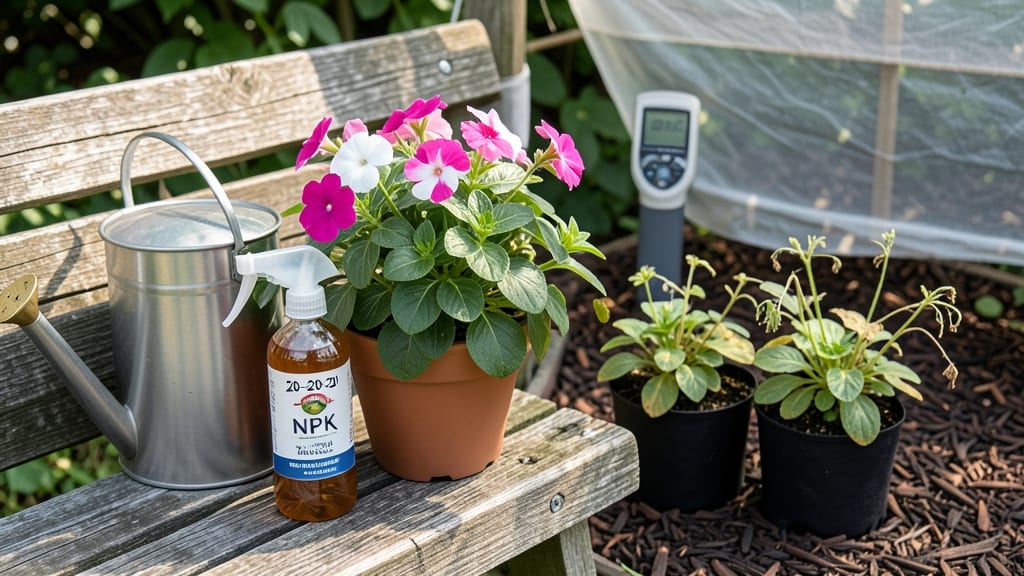
How to get impatiens to bloom—your plants are throwing a tantrum, all leaves and no flowers, and the fix is simpler than you think. 🌿 The problem isn’t your gardening skills (or lack of them), but a few sneaky care mistakes hiding in plain sight. Light, fertilizer, and deadheading work together like a secret handshake, and once you know the rhythm, your plants will burst into color like fireworks.
Start with sunlight: impatiens crave 4-6 hours of morning sun and afternoon shade—any less, and they’ll focus on leaves instead of blooms. Over-fertilizing? That’s another common culprit—too much nitrogen means lush foliage but zero flowers. And deadheading? It’s not optional—snip spent blooms religiously to encourage new ones.
Within 2-3 weeks of adjusting light and pruning, you’ll see buds forming. The key is consistency: water at the base (not overhead), use a balanced 10-10-10 fertilizer every 4-6 weeks, and keep those dead blooms trimmed. No more leafy monsters—just a nonstop floral parade.
This works for New Guinea impatiens (the tropical showstoppers) and classic busierons alike. Whether you’re fixing a flopped patio pot or prepping for next season, these tweaks turn "why isn’t it blooming?" into "why didn’t I do this sooner?"
📚 In This Guide
- What you need
- Instructions
- Tips and common mistakes
- Wrapping up and next steps
What you need
- ● Impatiens plants: Healthy seedlings or mature plants (check for signs of pests or disease before starting).
- ● Well-draining potting mix: A high-quality, peat-based or coco-coir blend (avoid heavy garden soil). Quantity: Enough to fill your pots or garden beds (typically 1–2 gallons per plant).
- ● Containers or garden bed: Containers: Pots with drainage holes (6–12 inches in diameter for mature plants).
- ● Garden beds: A sunny, sheltered spot with loose, fertile soil.
- ● Watering can or hose with a gentle spray nozzle: For even moisture without disturbing roots.
- ● Balanced liquid fertilizer (10-10-10 or 20-20-20): Diluted to half-strength for feeding. Quantity: 1–2 tbsp per gallon of water.
- ● Pruning shears or clean scissors: Sharp and sterilized (rubbing alcohol works!) for deadheading.
- ○ Gloves (optional but helpful): To protect hands from thorns or soil-borne pathogens.
- ● Bright, indirect light: 4–6 hours of morning sun or filtered light (avoid harsh afternoon sun in hot climates).
- ● Consistent moisture: Keep soil evenly damp (not soggy)—impatiens hate drying out!
- ● Warmth: Ideal temperatures between 60–75°F (15–24°C).
- ● Deadheading routine: Commit to snipping spent blooms weekly to encourage new flowers.
- ● Grow lights: LED full-spectrum bulbs (for indoor impatiens or low-light spots).
- ● Mulch: Organic mulch (like shredded bark) to retain moisture and regulate soil temp.
- ● Slow-release fertilizer pellets: Mix into soil at planting for steady nutrition.
- ● Pest control: Neem oil or insecticidal soap (preventative measure for aphids or spider mites).
Tips & tricks for perfect impatiens blooms
Real talk: The difference between a lush, flowering impatiens and a sad, leggy plant often comes down to these small but critical details.
Light Optimization: If you're supplementing with grow lights for the recommended 12-14 hours daily, position them just 6-12 inches above the plants. I use LED grow lights on a timer to avoid the hassle of manual adjustments. The light spectrum matters too—look for bulbs with a good blue spectrum (around 6400K) to mimic natural daylight and encourage flowering rather than just leaf growth. Too much red spectrum can actually reduce blooms.
Deadheading Discipline: Here's what nobody tells you—those 2-3 day deadheading intervals are non-negotiable during peak bloom. I set a reminder on my phone because I've learned the hard way that skipping even one session leads to a noticeable drop in new flowers. For container plants, I use small scissors to avoid damaging the stems, while for garden beds, I pinch off spent blooms with my fingers. The key is consistency, not frequency.
Watering Wisdom: The top inch soil test is your best friend, but there's more to it. I've found that watering in the morning gives the foliage time to dry before evening, reducing fungal risks. For container plants, I actually weigh them—when they feel noticeably lighter, that's my cue to water. This method eliminates guesswork better than any finger test. Mulching with 1-2 inches of organic matter helps maintain that consistent moisture without the risk of overwatering.
Fertilizer Strategy: That switch to low-nitrogen, high-phosphorus fertilizer when blooms appear is crucial, but timing matters. I start the transition when I see the first buds forming, not when flowers are already open. For homemade alternatives, try a weak compost tea (1 part compost to 10 parts water) every 3 weeks—it provides micronutrients without the risk of over-fertilizing. And remember, those crispy leaf edges? That's your plant screaming "stop!"
Pro Tips for Get Impatiens To Bloom
- Real talk: The difference between a lush, flowering impatiens and a sad, leggy plant often comes down to these small but critical details.
- Light Optimization: If you're supplementing with grow lights for the recommended 12-14 hours daily, position them just 6-12 inches above the plants.
- Deadheading Discipline: Here's what nobody tells you—those 2-3 day deadheading intervals are non-negotiable during peak bloom.
Frequently asked questions
Got questions about coaxing those vibrant impatiens blooms? You’re not alone! Here are answers to the most common concerns—from timing to troubleshooting—so you can enjoy a burst of color all season.
Why aren’t my impatiens blooming even though they look healthy?
Impatiens often skip blooming due to low light or over-fertilizing with high-nitrogen feed. Move them to bright, indirect sunlight (like a shaded patio or east-facing window) and switch to a balanced bloom booster (like 10-10-10). Too much shade or heat can also stall flowers—try a gentle fan for airflow!
How long does it take for impatiens to bloom after planting?
With ideal conditions (light, warmth, and deadheading), impatiens typically bloom 4–8 weeks after planting. Starter plants may flower sooner (2–4 weeks), while seeds can take 8–12 weeks. Patience is key—consistent care speeds up the process!
Can I force impatiens to rebloom after they fade?
Deadhead spent blooms daily (snip stems just above a leaf) to encourage new flowers. If growth slows in late summer, trim back leggy stems by ⅓ to promote bushier, more vigorous regrowth. Pro tip: A light pinch of fertilizer (half-strength) after pruning gives them a fresh boost!
What’s the best alternative if my impatiens refuse to bloom?
If impatiens struggle in your climate, try begonias (tolerate shade better), coleus (colorful foliage), or calibrachoa (self-cleaning blooms). For full sun, swap them for petunias or geraniums—both thrive with similar care but need more light.
My impatiens have bugs but no blooms—should I treat pests first?
Yes! Pests like aphids or spider mites drain energy, leaving plants too weak to bloom. Spray with neem oil or insecticidal soap, then focus on recovery: water deeply, fertilize lightly, and move to better light. Healthy foliage = happy blooms!
Wrapping up and next steps
Getting your impatiens to bloom is all about light, timing, and a little TLC—and you’ve got the know-how to make it happen! 🌸 By ensuring they receive bright, indirect sunlight (or the right artificial light), deadheading spent blooms, and providing the perfect balance of water and nutrients, you’re well on your way to a vibrant, flower-filled display.
Remember, patience is key—some varieties take a little longer, but the results are worth it.
Now that you’re armed with these tips, roll up your sleeves and give your impatiens the care they deserve. Grab your pruners, adjust that grow light if needed, and watch your plants reward you with nonstop color all season long! 🌿✨