
Size
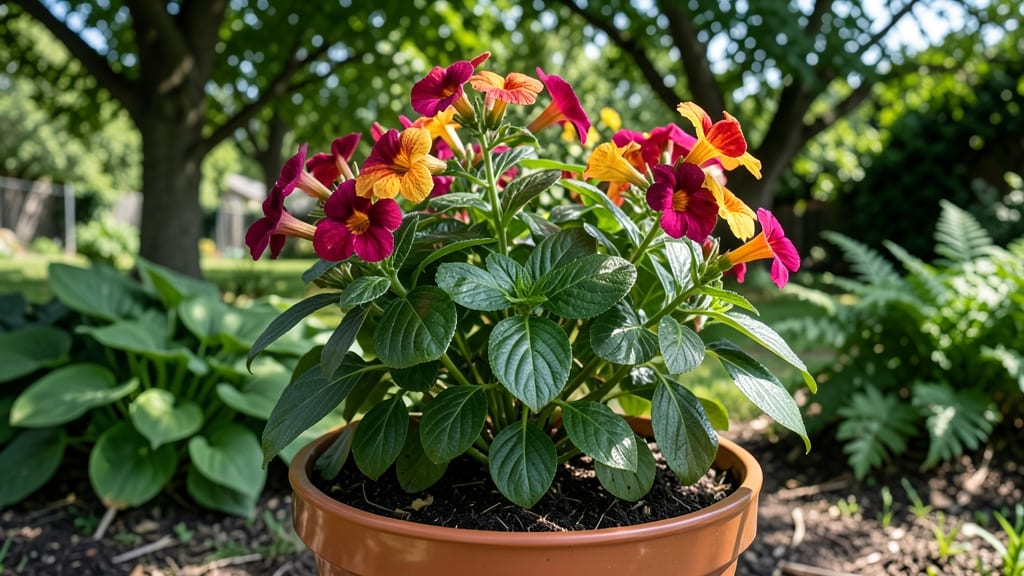
How to grow New Guinea impatiens is like having a vibrant tropical vacation in your garden—just with way less luggage. 🌿 These bold beauties thrive in shade where most plants struggle, and their glossy leaves and rainbow blooms make every corner feel alive. I’ve grown them for years, and once you try them, you’ll never go back to boring annuals again.
The secret to their success is simple: rich, well-draining soil, consistent moisture, and a little shade. They’re perfect for containers or garden beds, and unlike fussy flowers, they don’t demand perfect conditions—just a little love and the right spot.
With the right care, you’ll get nonstop blooms from spring through fall (and sometimes winter, if you’re lucky).
They do love humidity, so if your air feels dry, mist them occasionally or group them with other plants. Watch out for spider mites—they’re the only real pest threat—but a strong spray of water usually sends them packing.
Once established, these plants are nearly impossible to kill, making them ideal for beginners or busy gardeners.
Start with healthy plants, keep the soil moist but not soggy, and give them a little fertilizer every few weeks. In no time, your garden will burst with color, even in the shadiest spots. Ready to transform your space with minimal effort? Let’s get growing!
📚 In This Guide
- What you need
- Instructions
- Tips and common mistakes
- Wrapping up and next steps
What you need
- ● New Guinea Impatiens plants or seeds: Start with healthy nursery-grown plants (for faster blooms) or high-quality seeds (for variety). Pro tip: Choose disease-resistant varieties like ‘Superbells’ or ‘Accent’ for easier care!
- ● Well-draining potting mix: A blend of peat moss, perlite, and compost (ratio: 2:1:1) works best. For containers, use a lightweight, airy mix to prevent root rot.
- ○ Containers or garden beds: For containers: Use pots at least 6–8 inches deep with drainage holes. Optional: Self-watering pots for low-maintenance hydration!
- ● For garden beds: Ensure partial shade (4–6 hours of morning sun) and well-amended soil (pH 6.0–6.5).
- ● Fertilizer: A balanced, water-soluble fertilizer (10-10-10 or 20-20-20) or a slow-release granular fertilizer (like Osmocote). Apply every 2–4 weeks during the growing season.
- ● Watering can or hose with a gentle nozzle: New Guinea Impatiens love consistent moisture—avoid soggy soil but keep it evenly damp.
- ○ Mulch (optional but recommended): Use 2–3 inches of organic mulch (like pine bark or shredded leaves) to retain moisture and regulate soil temperature.
- ● Climate: Thrives in USDA Zones 10–11 or as an annual in cooler zones. Pro tip: Bring pots indoors before frost!
- ● Light: Bright, indirect light (east or north-facing windows for containers). Avoid harsh afternoon sun.
- ● Humidity: Prefers 60–70% humidity. Mist leaves occasionally or use a pebble tray in dry climates.
- ● Temperature: Ideal range: 65–75°F. Protect from temps below 50°F.
Step-by-step instructions for growing New Guinea Impatiens
Let’s tackle these vibrant beauties with confidence—they’re easier to grow than you think.
🌱 Step 1: Pick the Right Spot and Soil
New Guinea impatiens thrive in partial shade to dappled sunlight—think 4-6 hours of morning sun with afternoon shade. Too much direct sun scorches their leaves, while too little light means sparse blooms. I always plant mine near trees or under patio umbrellas where they get bright but indirect light.
Use well-draining, rich soil—amend heavy clay with 2-3 inches of compost or pearlite to keep roots happy. These plants hate soggy feet, so if your garden drains poorly, raise them in containers with drainage holes. I swear by a mix of 50% potting soil, 30% perlite, and 20% coconut coir for perfect drainage and moisture retention.
🪴 Step 2: Plant at the Right Depth and Spacing
Dig holes twice as wide as the root ball but only as deep as the container—burying too deep suffocates stems. Space plants 12-18 inches apart to give them room to bush out. Crowding leads to weak stems and fewer blooms, and trust me, you’ll regret it when you’re constantly pruning leggy growth.
Water deeply right after planting to settle the soil and remove the container. The roots will thank you by spreading out instead of circling. I like to add a slow-release fertilizer at planting time—just follow the package instructions for half the recommended dose. Too much fertilizer burns tender roots, and these plants are sensitive.
☀️ Step 3: Water and Feed for Continuous Blooms
Keep the soil evenly moist but never soggy—stick your finger in the top 1-2 inches of soil. If it feels dry, water until it drains from the bottom. Overwatering is the #1 killer, so I use a drip irrigation system or water at the base in the morning to avoid fungal issues.
Feed every 4-6 weeks with a balanced liquid fertilizer (10-10-10 or 20-20-20). I cut the dose in half—these plants are heavy feeders but hate salt buildup. You’ll know you’re doing it right when they produce bold, colorful blooms instead of just leaves. Deadhead spent flowers regularly to encourage more blooms—just pinch them off with your fingers.
✂️ Step 4: Prune and Protect for Long-Lasting Beauty
Pinch back leggy stems in early spring to encourage bushier growth. I snip just above a set of leaves where new growth will sprout—this keeps them compact and full. If stems get too long or floppy, trim them back by one-third to rejuvenate the plant. It’s like giving them a haircut, and they always bounce back stronger.
Watch for aphids or spider mites—these pests love the tender new growth. Spray with neem oil or insecticidal soap at the first sign of sticky leaves or tiny webs. I also protect mine from strong winds, which can snap fragile stems. A little shade cloth on windy days keeps them sturdy and blooming.
Tips & tricks for growing vibrant New Guinea Impatiens
Here's what I've learned after growing these showstopping plants for years—the little tweaks that make all the difference.
Lighting Secret: The 4-6 hours of morning sun is non-negotiable, but I've found that east-facing windows or under high-canopy trees work best for containers. If you notice leaves turning yellow, it's either too much direct sun or not enough light. Move your plants gradually to adjust them—sudden changes shock their sensitive foliage.
Soil Strategy: That 50% potting soil, 30% perlite, 20% coconut coir mix is perfect, but here's the thing: I always add a handful of worm castings to the mix. The extra nutrients help these heavy feeders thrive without overdoing it on fertilizer. And if you're using containers, make sure they have drainage holes—no exceptions!
Planting Depth: When you're digging those holes twice as wide but only as deep as the container, use your finger to check the soil level after placing the plant. The top of the root ball should sit just below soil level—never buried. I've seen people accidentally plant too deep, which leads to those sad, leggy stems that never recover.
Watering Wisdom: The finger test in the top 1-2 inches of soil is golden, but I've got a pro move: I water at the base in the morning using a watering wand with a gentle spray. This prevents fungal issues and keeps the leaves dry, which is crucial for these tropical beauties. And if you're using containers, water until you see drainage—don't let them sit in saucers of water!
Pro Tips for Grow New Guinea Impatiens
- Here's what I've learned after growing these showstopping plants for years—the little tweaks that make all the difference.
- Lighting Secret: The 4-6 hours of morning sun is non-negotiable, but I've found that east-facing windows or under high-canopy trees work best for containers.
- Soil Strategy: That 50% potting soil, 30% perlite, 20% coconut coir mix is perfect, but here's the thing: I always add a handful of worm castings to the mix.
Frequently asked questions
Got questions about keeping your New Guinea Impatiens thriving? You’re not alone! Here are some of the most common concerns—plus quick fixes to keep those vibrant blooms coming.
Can New Guinea Impatiens grow in full sun?
Not quite! These beauties prefer bright, indirect light—think dappled shade or morning sun with afternoon shade. Too much direct sun (especially in hot climates) can scorch their leaves and fade their colors. A north- or east-facing window or a partially shaded patio is ideal.
How long does it take for New Guinea Impatiens to bloom after planting?
With the right care, you’ll see blooms in 6–10 weeks after planting! Start with healthy cuttings or seedlings, and keep them consistently moist while providing balanced fertilizer (like a 10-10-10 mix) every 2–4 weeks. Patience pays off—once established, they’ll reward you with nonstop color!
What pests are common, and how do I get rid of them?
Watch out for aphids, spider mites, and whiteflies—they love these tender plants! For mild infestations, spray with a mix of water + mild dish soap. For stubborn pests, use neem oil or insecticidal soap. Always treat early to avoid stressing your plants.
Can I grow New Guinea Impatiens outdoors in winter?
Most varieties are tender perennials and won’t survive frost. If you love them year-round, grow them as annuals or overwinter indoors near a bright window (60–70°F). In mild climates (Zones 10–11), they may persist outdoors with winter protection like frost cloth.
What’s a good alternative if my Impatiens keep dying?
If humidity or light conditions are tough, try Begonias (like Wax Begonias), Coleus, or Fuchsias—they’re equally vibrant and slightly more resilient. For trailing plants, Sweet Potato Vine or Lantana are great swaps with bold foliage and flowers.
Wrapping up and next steps
Growing New Guinea Impatiens is all about embracing their vibrant, low-maintenance charm—whether you’re a seasoned gardener or just starting out! With the right light, soil, and care, these bold beauties will reward you with year-round blooms that brighten up any space. 🌸
Now that you’re armed with the know-how, why not take the next step? Start with a few plants, experiment with colors, or even share your progress with fellow plant lovers. Happy growing—your garden (and your Instagram feed) will thank you! 🌿✨