
How To
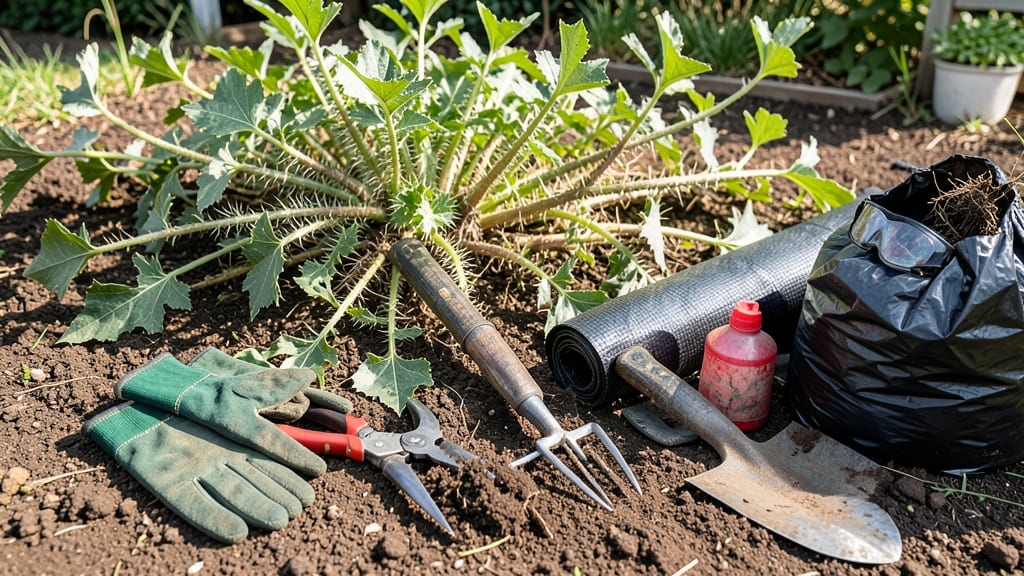
How to get rid of Carolina horsenettle—this invasive weed silently strangles gardens and pastures with its toxic, spiky vines. 🌿 I’ve battled this aggressive plant for years, and the digging-and-bagging method is the only way to truly eradicate it without chemicals. One wrong move, and those deep roots will regrow—so precision matters.
This plant thrives in disturbed soil, so prevention starts with proper garden maintenance. But if it’s already taken root, you’ll need gloves, a sharp shovel, and a heavy-duty trash bag.
The key is removing every last piece of root—even a tiny fragment can sprout anew. It’s tedious work, but worth it to reclaim your space.
By the end of the process, your yard will be free of those jagged stems and dangerous berries. The soil will breathe again, and you’ll avoid the long-term damage this weed causes to crops and livestock. Just be patient—it takes time, but the results last.
For large infestations, repeat the process seasonally until no new growth appears. The effort pays off in safer, healthier outdoor spaces. Let’s tackle this together—step by step.
Root Causes of Invasion
Carolina horsenettle (Solanum carolinense) isn’t just a pesky weed—it’s a highly aggressive, fast-spreading plant that thrives in disturbed soils and outcompetes native flora. Understanding why it takes over helps you strategize removal and prevent regrowth.
Here’s a breakdown of the key reasons this plant becomes a nuisance, backed by science and ecology.
Carolina horsenettle originally evolved in open, sunny prairie and woodland edges across the southeastern U.S. However, human activities have perfectly suited its survival:
- Land clearing: Bulldozing, construction, or farming exposes bare soil, which horsenettle seeds love. Unlike many plants, its seeds require light to germinate—so disturbed ground = instant buffet. 🌱💥
- Fire suppression: Historically, wildfires would limit its spread by burning seeds. But with fewer controlled burns, horsenettle dominates fire-adapted ecosystems.
- Soil compaction: Heavy machinery or livestock trample soil, creating ideal conditions for horsenettle’s shallow, sprawling roots to take hold.
Actionable insight: If you’re restoring land, avoid tilling and use native ground covers to block sunlight from seeds.
One seed can become thousands in a season—thanks to horsenettle’s explosive seed dispersal and prolific reproduction:
- Seed pods explode: When ripe, the fruit splits open with up to 400 psi of force, catapulting seeds 10–15 feet in all directions. 🎆🌪️
- Self-seeding: A single plant can produce 2,000–3,000 seeds per year, many of which stay viable in the soil for 5+ years.
- Animal hitchhiking: Birds, deer, and even humans unknowingly spread seeds via fur, shoes, or vehicle tires.
Key stat: Horsenettle seeds can germinate within 7–10 days of landing in warm, moist soil—making early intervention critical.
This plant is a climate opportunist, thriving in conditions that many gardeners unintentionally create:
| Factor | Why Horsenettle Loves It | How to Counter |
|---|---|---|
| Drought tolerance | Deep, fibrous roots tap into water deep underground, while shallow roots absorb surface moisture. It outcompetes shallow-rooted plants in dry spells. 💧🔥 | Mulch heavily with wood chips or straw to retain moisture for desired plants. |
| Poor, rocky, or sandy soil | Unlike picky plants, horsenettle grows in nutrient-poor, compacted, or alkaline soils where others fail. 🪨🌱 | Amend soil with compost or organic matter to favor native plants. |
| Full sun exposure | It requires 6+ hours of direct sunlight to thrive—making it dominant in recently cleared or sunny lawns. | Plant dense ground covers (e.g., clover, creeping thyme) to shade out seeds. |
In its native range, horsenettle faces few natural controls, unlike invasive species that get checked by insects or diseases. Here’s why it’s hard to stop:
- Toxic compounds: Its solanine (a glycoalkaloid) deters most herbivores, including deer and rabbits. 🐇🚫
- No specialized insects: Unlike kudzu or garlic mustard, horsenettle lacks insect enemies that could naturally reduce its numbers.
- Chemical defense: Its spiny stems and leaves make it unpalatable, so animals avoid it entirely.
Workaround: Introduce beneficial nematodes (e.g., Steinernema carpocapsae) to target its roots—or encourage pollinators that may indirectly disrupt its growth.
Most infestations start with unintentional human actions. Here’s how:
- Contaminated hay or mulch: Horsenettle seeds hitchhike in purchased organic materials, spreading to pastures or gardens. 🚜🌾
- Vehicle tires: Mud or seeds clinging to ATVs, tractors, or shoes can plant new colonies miles away.
- Water runoff: Seeds float in stormwater, colonizing roadside ditches and waterways.
- Composting mistakes: Even small horsenettle fragments in compost can re-germinate when spread.
Pro tip: Inspect new soil, mulch, or plants for horsenettle before bringing them home. A quick vinegar spray test (spray leaves; if they don’t wilt, it’s likely horsenettle) can save time!
Practical Removal Solutions
Now that you understand why Carolina horsenettle thrives and spreads, it’s time to tackle it effectively—without relying on harsh chemicals. Below are targeted, herbicide-free solutions tailored to the root causes of this invasive weed, along with prevention tips to keep it from returning.
---
Carolina horsenettle spreads aggressively through roots and seeds, so removal must be thorough. Here’s how to do it right:
#### 🔥 Step 1: Choose the Right Time - Best time to dig: Early spring or fall when the soil is moist but not waterlogged. - Why? Dry soil makes roots brittle (they snap easily), while wet soil helps loosen the ground for deeper extraction.
#### 👨🍳 Step 2: Gear Up for Safety - Wear thick gloves (gardening or chemical-resistant) and long sleeves/pants—the plant’s sap can irritate skin. - Goggles protect your eyes from debris when chopping roots. - A sturdy shovel or dandelion weeder is ideal for deep extraction.
#### 🔪 Step 3: Dig Deep & Remove Roots - Locate the taproot: Horsenettle has a thick, woody main root—dig at least 6–12 inches deep to ensure you get the whole thing. - Twist and pull: Once unearthed, grip the base and twist to break the root cleanly.
If it resists, use a hose to loosen the soil before retrying. - Check for root fragments: Even a 1-inch piece can regrow! Inspect the soil for missed pieces.
#### 🥘 Step 4: Dispose of Debris Properly - Bag and seal: Place the entire plant (roots + stems) in a thick plastic bag and tie it shut. Horsenettle seeds can remain viable for years! - Do NOT compost: The heat of a compost pile may not kill seeds.
Instead, trash it or burn it (if local laws allow). - For large infestations: Check with your local waste management—some areas offer special disposal for invasive species.
---
If digging isn’t feasible (e.g., in a large yard or garden bed), smothering deprives horsenettle of sunlight and air.
#### 💡 Method 1: Cardboard or Black Plastic - Cover the area with 3–4 layers of cardboard (avoid glossy paper—it doesn’t break down) or black plastic sheeting. - Secure edges with rocks or soil to prevent wind lift. - Leave for 4–6 months (longer in hot climates).
The plant will decompose under the barrier. - Pro tip: Add a 2–3 inch layer of mulch on top to block light completely.
#### 🌡️ Method 2: Solarization (For Hot Climates) - Best for: Southern states with consistent summer heat (above 85°F). - How it works: Clear plastic traps heat, cooking the roots. - Steps: 1. Water the area thoroughly.
2. Lay clear plastic sheeting directly over the horsenettle. 3. Secure edges with soil or bricks. 4. Leave for 6–8 weeks in peak summer. - The combination of heat and trapped moisture kills roots and seeds.
---
For small, isolated patches, a homemade herbicide can help—but use sparingly, as it can harm nearby plants.
#### 🔥 Recipe: Weed Killer Spray | Ingredient | Amount | Purpose | |----------------------|--------------------------|--------------------------------------| | White vinegar (20% acetic acid) | 1 gallon | Kills plant tissue on contact | | Salt | 1 cup | Enhances drying effect | | Dish soap | 1 tbsp | Helps solution stick to leaves | | Water | 1 quart (optional) | Dilutes for sensitive areas |
How to Use: 1. Spray on a sunny day (vinegar works best with direct sunlight). 2. Cover the entire plant, including stems and leaves. 3. Reapply every 2–3 days until the plant turns brown and dies (usually 1–2 weeks). 4. Dig out the roots afterward—the plant may still regrow from fragments.
⚠️ Warning: - Avoid spraying near desirable plants—vinegar and salt can harm grass and flowers. - Do not use on edible gardens—residue can linger in soil. - Not for large areas—manual removal is more effective long-term.
---
Once you’ve removed horsenettle, prevent regrowth with these strategies:
#### 💡 Long-Term Soil Care - Mulch heavily: Apply 3–4 inches of organic mulch (wood chips, straw) to block sunlight and suppress weeds. - Improve soil health: Horsenettle thrives in poor, compacted soil.
Amend with compost to encourage native plants that outcompete it. - Plant ground covers: Fast-growing plants like clover, creeping thyme, or native grasses can smother horsenettle before it takes hold.
#### 🎯 Monitor & Strike Early - Inspect regularly: Check your yard weekly in spring/summer.
Horsenettle is easier to pull when young. - Remove seed pods ASAP: If you spot the spiky, orange-red berries, pick them before they split open and dispose of them in sealed bags. - Isolate infested areas: If horsenettle appears in one spot, contain it with a hard barrier (like edging or landscape fabric) to prevent spread.
#### 🌱 Encourage Natural Predators - Birds love the berries—but they also spread seeds! If you have a bird-feeder-free zone near horsenettle, birds may help eat the fruit before it drops. - Beneficial insects: Some parasitic wasps attack horsenettle, but they’re rare. Focus on manual removal first.
--- Final Reminder: Carolina horsenettle is tenacious, but persistence pays off. Combine digging, smothering, and prevention for the best results—and soon, your yard will be horsenettle-free! 🚀
Frequently asked questions
Why does Carolina horsenettle keep coming back after I pull it?
This aggressive weed spreads through deep roots and hidden seeds that can remain dormant for years. Even a small root fragment left in the soil will regrow! The key is removing the entire root system—dig 6–12 inches deep and check for broken pieces. If you see new growth, repeat the process until no plants reappear.
Can I use vinegar to kill Carolina horsenettle?
Yes, but it’s only effective for small patches and must be used carefully. Mix 1 gallon of white vinegar (20% acetic acid), 1 cup salt, and 1 tbsp dish soap—spray directly on leaves and stems. Reapply every 2–3 days until the plant dies (usually 1–2 weeks). Warning: Vinegar can harm nearby plants, so avoid spraying edible gardens or grassy areas.
How do I know if I’ve removed all the roots?
Inspect the soil carefully for any white, fibrous roots or small pieces. Even a 1-inch fragment can sprout! Dig around the area where the plant grew and check for hidden shoots—they often appear 2–3 weeks after removal if roots remain. For peace of mind, monitor the spot for new growth and treat again if needed.
Is Carolina horsenettle dangerous to pets or livestock?
All parts of this plant—leaves, stems, berries, and roots—contain solanine, a toxic compound that can cause vomiting, diarrhea, or neurological issues in animals. Keep pets and livestock away from infested areas, and wear gloves when handling the plant. If ingestion occurs, contact a vet immediately.
What’s the best way to prevent horsenettle from spreading to other areas?
Seal all plant debris in thick plastic bags and dispose of it in the trash—never compost it. Clean tools and shoes after working in infested areas, and avoid moving soil or mulch from contaminated spots. If you’re dealing with a large yard, consider solarization (covering the area with clear plastic in hot weather) to kill remaining seeds and roots.