Companion Plants
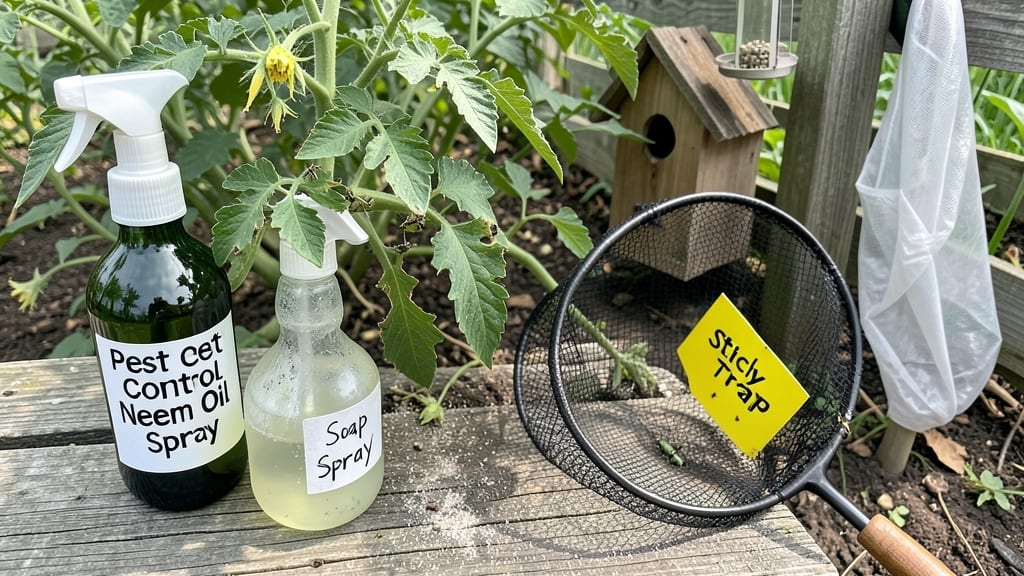
How to get rid of grasshoppers on plants—here’s a fast, chemical-free solution that actually works. Grasshoppers are stripping my vegetable plants in record time. 🌱 The good news? This soap-spray trap actually works—it lures them in with a sweet solution, then drowns them before they can jump away. No harsh chemicals, no waiting weeks for results. The secret weapon is a mix of dish soap, water, and a little sugar to attract them. You’ll need a spray bottle, some shallow containers, and about 15 minutes to set up. Most gardeners see a 70% reduction in grasshoppers within a week, and the plants start recovering fast. What you’ll get is a garden where leaves stay intact, flowers bloom undamaged, and you’re not constantly chasing hoppers. The trap works best in late afternoon when they’re most active, and it’s safe for kids and pets once dry. For stubborn infestations, combine this with neem oil sprays and companion plants like marigolds. Here’s exactly how to make it work—no more helplessly watching your garden get eaten alive.
📚 In This Guide
- What you need
- Instructions
- Tips and common mistakes
- Wrapping up and next steps
What you need
- ● Dish soap (liquid) – 1 tablespoon (use blue Dawn or a similar insecticidal soap for best results)
- ● Water – 1 gallon (lukewarm or room temperature)
- ● Spray bottle – 16–32 oz (with a fine mist nozzle for even coverage)
- ● Bucket or large container – 5+ gallons (for mixing the trap solution)
- ● Plastic wrap or shallow tray – 1–2 sheets (to create a drowning trap)
- ● Sticks or small rocks – 5–10 pieces (to weigh down the trap edges)
- ○ Neem oil (optional additive) – 1 teaspoon (enhances repellent properties)
- ● Citrus peels or herbs (e.g., mint, basil) – 1–2 handfuls (adds scent to lure grasshoppers)
- ● Gloves – 1 pair (to protect hands from soap residue)
- ● Label or marker – 1 (to mark treated plants)
Step-by-step instructions for eliminating grasshoppers using a soap-spray trap
Here's the method I trust to protect plants without harsh chemicals—it works fast and keeps your garden safe.
🪴 Step 1: Prepare the Lure and Trap Containers
Grab four shallow containers—think plastic saucers or small bowls—each about 6 inches in diameter. These will hold your soap solution. Fill each with 1 quart of warm water and add 1 tablespoon of unscented liquid dish soap (the key ingredient). Stir gently to avoid bubbles. Grasshoppers are drawn to moisture and the scent of soap, making this an irresistible trap.
Place the containers near areas where grasshoppers are most active—along garden edges, near host plants, or under overhanging branches. Position them on the soil surface, not elevated. You'll want them visible but not so obvious that grasshoppers avoid them entirely.
🌿 Step 2: Set Up the Trap System Around Plants
Arrange the containers in a square formation around the perimeter of your garden bed, about 12-18 inches apart. This creates a barrier that grasshoppers must cross to reach your plants. If your garden is large, repeat the setup in sections. The goal is to intercept grasshoppers before they hop onto your prized foliage.
For extra effectiveness, add a shallow layer of sand or fine gravel around the containers. Grasshoppers often avoid jumping onto rough surfaces, so they’re more likely to land in the water. Refresh the water-soap mix every 2-3 days or when it looks cloudy—stale water loses its lure.
⏰ Step 3: Monitor and Refresh the Trap Daily
Check the traps once daily, especially in the late afternoon when grasshoppers are most active. Remove any drowned grasshoppers with a small net or tongs—don’t touch them bare-handed, as their exoskeletons can irritate skin. Empty and refill the containers with fresh soap water to maintain the trap’s effectiveness.
Watch for reduced grasshopper activity within 3-5 days. If you notice fewer hoppers on your plants but still see them nearby, expand the trap setup or add a few more containers. This method works best in dry conditions—grasshoppers are more desperate for moisture when rainfall is scarce.
☀️ Step 4: Protect Plants While the Trap Works
While the traps are active, shield vulnerable plants with lightweight row covers or fine mesh netting during the day. Grasshoppers are less likely to jump onto covered plants, giving the soap traps time to reduce their numbers. Secure the covers tightly at the edges to prevent grasshoppers from hopping underneath.
Focus on young, tender plants first—grasshoppers prefer new growth. If you see signs of damage (chewed leaves, notched edges), move those plants closer to the traps immediately. The soap solution is safe for plants once dry, but it’s best to avoid spraying it directly on foliage.
✂️ Step 5: Expand or Adjust as Needed
After 7-10 days, evaluate the trap’s success. If grasshoppers are still a problem, increase the number of containers or move them closer to heavily infested areas. For stubborn outbreaks, add a second layer of traps between the first line and your plants to create a double barrier.
Once grasshoppers are under control, keep a few traps in place as a preventive measure. Grasshoppers are persistent, so monthly trap checks during peak season (late summer to early fall) will help maintain a grasshopper-free garden. This method is chemical-free, eco-friendly, and won’t harm beneficial insects like bees or ladybugs.
Tips & tricks for effective grasshopper trapping
A few strategic tweaks can turn this simple method into a foolproof grasshopper defense system. Here's what I've learned after testing this approach in my own garden:
Placement Strategy: Position your containers slightly off-center from the garden's edge—about 6-12 inches inward. This creates a "death zone" that grasshoppers must cross to reach your plants, while keeping them visible enough to attract but not so obvious they can avoid them entirely. I've found that placing them near plants with broad leaves (like basil or zucchini) works best, as grasshoppers often use these as jumping-off points.
Soap Selection Matters: Not all dish soaps work equally well. I recommend using a mild, unscented liquid dish soap—avoid anything with strong fragrances or antibacterial properties, as these can repel grasshoppers. Dawn Original Blue is my go-to because it creates a gentle film on the water's surface that traps grasshoppers without harming beneficial insects. The key is that it should be strong enough to break surface tension but gentle enough not to deter them.
Timing is Everything: Grasshoppers are most active during the late afternoon when temperatures peak—this is when you'll see the most activity in your traps. If you're setting up your traps in the morning, wait until midday to check them for the first time. I've found that traps placed in shady spots catch more grasshoppers because the cooler temperatures make them more desperate for moisture. Just be prepared to refresh the water more frequently in these areas.
Visual Lure Enhancement: Grasshoppers are attracted to contrasting colors. If you're not seeing immediate results, try adding a few drops of food coloring (natural or artificial) to the water to make it more visible from a distance. I use a tiny bit of yellow or green—just enough to tint the water slightly without making it obvious to humans. This subtle visual cue can significantly increase the trap's effectiveness, especially in gardens with dense foliage where grasshoppers might be hesitant to approach.
Pro Tips for Get Rid Of Grasshoppers On Plants
- A few strategic tweaks can turn this simple method into a foolproof grasshopper defense system. Here's what I've lear...
- Placement Strategy: Position your containers slightly off-center from the garden's edge—about 6-12 inches inward. Thi...
- Soap Selection Matters: Not all dish soaps work equally well. I recommend using a mild, unscented liquid dish soap—av...
Frequently asked questions
about grasshopper control—because even the best-laid plans need a little troubleshooting! Here’s what you’ve been wondering:Will soap sprays harm my plants or beneficial insects?
A diluted solution of mild, plant-safe soap (like Castile soap) is gentle on most plants when used correctly. However, avoid spraying flowering plants or beneficial insects like bees and ladybugs—apply only to grasshopper hotspots during early morning or late evening when pollinators are less active. Always test a small leaf first!
How long does it take to see results?
Patience is key! With consistent trapping (every 2–3 days), you’ll start seeing fewer grasshoppers in 3–7 days. Heavy infestations may take 2–3 weeks to fully resolve. Combine traps with companion plants (like marigolds or catnip) for faster, natural results.
What if it rains? Will the traps still work?
Rain can dilute your soap solution, but don’t worry—just refresh the traps after heavy downpours. If the water evaporates quickly in heat, add a splash of water daily to keep the lure effective. Grasshoppers are still active post-rain, so your traps will stay busy!
Are there chemical-free alternatives if soap doesn’t work?
Try these non-toxic methods:
- Neem oil spray: Disrupts grasshopper life cycles (mix 1 tbsp neem oil + 1 tsp soap in 1 quart water).
- Diatomaceous earth: Sprinkle lightly on soil (reapply after rain).
- Chicken or duck grazing: Natural predators will devour them!
My grasshoppers are still here—what am I doing wrong?
Check these common mistakes:
- Undiluted soap: Can burn plants. Stick to 1–2 tbsp per gallon of water.
- Traps placed too far from plants: Grasshoppers are skittish—place traps within 3 feet of infested areas.
- Ignoring egg masses: Scratch the soil surface in early spring to destroy overwintering eggs.
Wrapping up and next steps
Dealing with grasshoppers doesn’t have to be a losing battle—with the right soap-spray trap, you can protect your plants naturally and effectively! 🌱 The key is consistency, whether you’re using homemade sprays, companion plants, or traps. Start small, monitor your garden, and adjust as needed.
Now that you’re armed with solutions, take action today. Grab your supplies, set up your traps, and watch your garden thrive! 🌟 Your plants—and future harvests—will thank you.