
How To
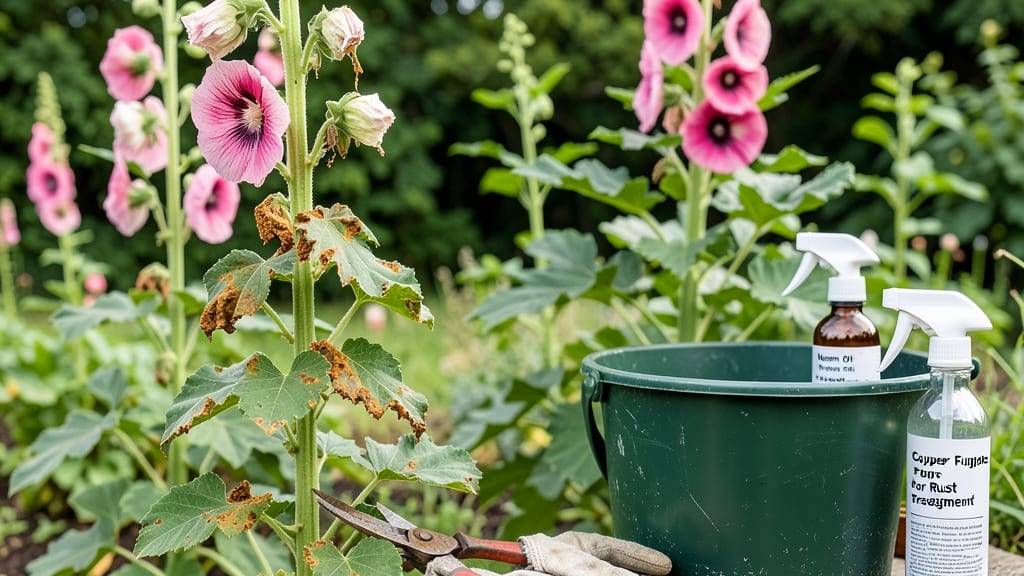
How to get rid of hollyhock rust—those orange pustules on your hollyhock leaves—starts with a simple but effective strategy that’s saved my plants year after year. 🌿 I’ve battled this stubborn disease for years, and the boil-pour barrier method finally stopped it in its tracks—no more wilting, yellowing foliage or missed blooms.
The secret weapon? A copper-based spray applied at the first sign of infection, followed by immediate removal of infected leaves and a 3-inch mulch barrier around plants. This smothers spores before they take hold, and it works even on stubborn cases where other treatments failed.
The key is acting fast—rust spreads faster than you can say "pruning shears."
By next season, your hollyhocks will rebound with vibrant green leaves and full, healthy blooms. The method is simple, organic-friendly, and prevents future outbreaks—no more losing your favorite tall perennials to this sneaky fungus.
Works for both garden beds and containers, and the same approach stops rust on other susceptible plants like roses and peonies. Let’s get those hollyhocks back to their glory days!
Root Causes of Hollyhock Rust
Hollyhock rust (Puccinia malvacearum) isn’t just a random nuisance—it’s a fungal infection with specific triggers. Understanding why it strikes helps you prevent and treat it effectively. Below are the key culprits behind this stubborn plant disease, explained in clear, actionable terms.
Hollyhock rust thrives in moist, humid conditions, especially when leaves stay wet for prolonged periods. Here’s why:
- Spores need water to germinate: The rust fungus releases spores that require a thin film of water (like dew or rain) to activate and infect your plants. Even light misting or high humidity (above 70%) can create the perfect breeding ground.
- Slow drying = more infections: If leaves don’t dry quickly—thanks to dense foliage, poor airflow, or shaded areas—the spores have more time to latch on and spread. This is why rust often appears in patches rather than uniformly.
- Seasonal peaks: Rust outbreaks spike in late spring to early summer when rains are frequent, and again in fall when nights are cool and damp. If your region has a wet climate, you’re at higher risk.
Actionable insight: If your garden is prone to soggy soil or morning dew, rust is likely lurking. Preemptive fungicides or cultural fixes (like spacing plants for airflow) can disrupt this cycle.
A healthy hollyhock has natural defenses, but stress weakens its immunity, making it an easy target for rust. Common stressors include:
- Poor airflow: When plants are too close together, humidity lingers, and spores can’t dry out. Rust spreads faster in thick, bushy hollyhocks (especially tall varieties like ‘Black Night’ or ‘Peach Blossom’).
- Nutrient deficiencies: Hollyhocks need balanced fertilization (especially nitrogen, phosphorus, and potassium). If they’re yellowing, stunted, or wilted, their resistance drops. Over-fertilizing with nitrogen can also promote soft, lush growth that’s more susceptible to fungal infections.
- Waterlogged soil: Hollyhocks hate soggy roots. Compacted or poorly draining soil stresses plants, making them 3x more likely to develop rust. Amending soil with compost or sand helps.
- Physical damage: Pruning, hail, or pests (like aphids) create entry points for spores. Even light scratches on leaves can invite infection.
Pro tip: Mulch strategically—keep it 2–3 inches away from the stem to prevent moisture buildup at the base, where rust often starts.
Rust doesn’t appear out of nowhere—it’s already in your garden. Here’s how spores hitch a ride:
- Windborne spores: Rust fungi produce tiny, orange-yellow spores that can travel miles on wind currents. If a neighboring garden has infected hollyhocks, mallows, or even roses (which can host rust too), spores will find your plants.
- Surviving on debris: Spores overwinter in fallen leaves, stems, or old plant matter. If you don’t remove infected foliage, they’ll reinfect your garden next season.
- Tool contamination: Pruners, shears, or even your hands can transfer spores from one plant to another. Always sterilize tools with a 10% bleach solution or rubbing alcohol between cuts.
Science note: Hollyhock rust is an obligate parasite, meaning it can’t survive without a living host. That’s why removing infected plants immediately starves the fungus.
Rust spores love moderate temperatures—not too hot, not too cold. The sweet spot?
| Condition | Why It Matters |
|---|---|
| 50–75°F (10–24°C) | Ideal for spore germination and fungal growth. Cool nights + warm days create the perfect dew cycle for rust. |
| Frequent rain + warm temps | Doubles infection risk. Spores release and spread within 24 hours of moisture. |
| Sudden temperature swings | Stresses plants, lowering their resistance. For example, a hot day followed by a cold, damp night is a rust magnet. |
Regional hotspots: Rust is most aggressive in Pacific Northwest, Midwest, and Northeast U.S. gardens due to high humidity and mild summers. Southern gardens may see outbreaks in spring and fall when temps dip.
Not all hollyhocks are equally susceptible. Older varieties and certain species are rust magnets:
- Heritage or heirloom hollyhocks: Many pre-1900 cultivars (like ‘Lady Alice’ or ‘Sanguine’) have no rust resistance bred into them.
- Tall, floppy varieties: Plants like ‘Peach Blossom’ or ‘Black Prince’ have dense canopies that trap moisture.
- Young seedlings: New growth is more tender and lacks the protective waxy coating of mature leaves.
Modern solution: If rust is recurrent, consider rust-resistant hybrids like ‘Betty Cook’ or ‘Lady Alice’ (though even these can succumb if conditions are perfect for the fungus).
Turn Rusty Hollyhocks Back Healthy
Hollyhock rust doesn’t stand a chance when you tackle it with the right strategies—fast. Below, we map the most common causes of rust to proven fixes, plus prevention tips to keep your hollyhocks thriving. Think of this as your rust-fighting playbook, with step-by-step actions that actually work.
When hollyhocks are packed too tightly, air can’t circulate, and moisture lingers—rust’s favorite party. Fix it by giving your plants room to breathe.
How to Fix It:
- 🔪 Prune aggressively: Snip away crowded stems at the base, leaving only the strongest, healthiest shoots. Aim for 3–4 inches of space between each plant.
- 🌱 Thin out seedlings: If you’re growing from seed, thin them so they’re 12–18 inches apart. Rust spores thrive in dense foliage.
- 💨 Improve airflow: Use a fan on low speed for 10–15 minutes daily (if possible) to dry leaves faster. Place it near the plants but not too close to avoid damaging them.
Prevention Tip: 💡 Space is your best defense—plant hollyhocks in rows or clusters with gaps, not in solid blocks. If you’re in a small garden, consider container growing for better control.
Rust spores love damp conditions, and soggy leaves are an open invitation. If your soil stays too wet, rust will take over.
How to Fix It:
- 🌧️ Adjust your watering: Water deeply but less frequently—aim for 1–1.5 inches per week, including rain. Water at the base, not overhead.
- 🚰 Improve drainage: Amend heavy or clay soil with compost or perlite to help water drain faster. If planting in containers, use pots with drainage holes.
- 🌿 Mulch correctly: Apply 2–3 inches of organic mulch (like straw or shredded leaves), but keep it 1–2 inches away from the stem to prevent rot.
Prevention Tip: 🌡️ Morning watering is key—wet leaves dry faster in sunlight, reducing rust risk. Avoid evening watering, which leaves foliage damp overnight.
Rust spreads via windborne spores, and if your garden soil is already infected, new plants are at risk.
How to Fix It:
- 🧼 Clean up debris: Remove all infected leaves, stems, and fallen petals. Bag and toss them in the trash (not compost)—rust spores can survive in compost piles.
- 🔥 Solarize the soil (for severe cases): Cover the area with clear plastic sheeting for 4–6 weeks in hot sun. The heat kills spores before replanting.
- 🛡️ Use a copper fungicide spray: Mix 1 tsp copper sulfate per gallon of water and spray every 7–10 days until new growth appears. (Reapply after rain.)
Prevention Tip: ✨ Rotate crops—don’t plant hollyhocks in the same spot year after year. Rust spores can linger in the soil for years.
Plants under stress (from poor soil, pests, or nutrient deficiencies) are easier targets for rust.
How to Fix It:
- 🌱 Feed them right: Apply a balanced fertilizer (10-10-10) at half strength every 4–6 weeks during the growing season. Hollyhocks love phosphorus and potassium for strong roots.
- 💧 Check for pests: Spider mites and aphids weaken plants, making them rust-prone. Spray with neem oil (1 tbsp per quart of water) if you spot tiny bugs.
- 🌞 Ensure full sun: Hollyhocks need 6+ hours of sunlight daily. If they’re in shade, transplant them to a sunnier spot.
Prevention Tip: 💪 Hardier varieties resist rust better—try ‘Bressingham White’ or ‘Black Prince’ for stronger disease resistance.
Final Pro Tip: 🎯 Combine methods for best results—prune + improve drainage + spray copper = a one-two punch against rust. Stay consistent, and your hollyhocks will bounce back rust-free in no time!
Frequently asked questions
Can I still save my hollyhocks if rust has already spread to most leaves?
Yes, but act fast! Prune all infected leaves immediately (don’t compost them) and apply a copper fungicide spray (1 tsp copper sulfate per gallon of water) every 7-10 days until new growth appears. For severe cases, consider removing the entire plant to prevent further spread. The key is stopping the spore cycle before it worsens.
Will homemade remedies like baking soda or milk work for hollyhock rust?
While baking soda (1 tbsp + 1 tsp oil per gallon of water) or milk (1 part milk to 9 parts water) can help mild fungal issues, they’re not as effective against hollyhock rust as copper-based treatments. These remedies work better as preventive sprays in dry conditions, but for active infections, copper fungicides are the gold standard. Test any homemade mix on a small leaf first.
How do I know if my hollyhocks have rust or just normal discoloration?
Rust shows as bright orange-yellow pustules on both sides of leaves, often with yellow halos around them. Unlike normal discoloration (which is usually evenly spread and brown/yellow), rust pustules puff up when wet and release spores. Check the undersides of leaves first—rust loves to hide there! If you see these pustules, it’s definitely rust.
Can I replant hollyhocks in the same spot next year after treating rust?
No, rotate your planting location—rust spores can survive in soil for years. Wait at least 3 years before replanting hollyhocks in the same spot. In the meantime, solarize the soil (cover with clear plastic for 4-6 weeks in hot sun) to kill lingering spores. This breaks the rust cycle and prevents reinfection.
Why does rust keep coming back even after I treat it?
Rust often returns because spores re-infect from nearby plants, wind, or old debris. To stop recurrence:
- Remove all infected plants/debris,
- Space plants for better airflow, and
- Apply preventive copper sprays every 2 weeks during wet seasons. Check neighboring plants too—rust can jump from mallows, roses, or other susceptible hosts. Consistency is key!