
Pests
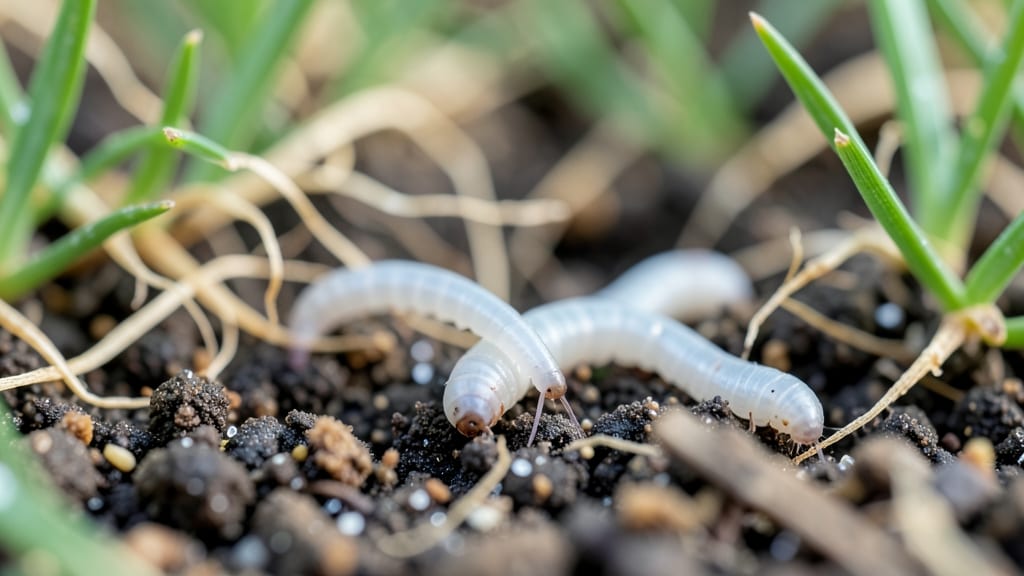
How to get rid of lawn grubs organically—your spongy patches and brown patches aren’t just bad luck. They’re grubs munching away underground. 🌱 I've battled these sneaky pests for years, and the organic combo of nematodes and diatomaceous earth finally gave me back a thriving lawn without harsh chemicals.
The secret lies in two-pronged defense: beneficial nematodes that hunt grubs alive and diatomaceous earth that dehydrates them. Most people overlook the importance of timing—you need to apply treatments when grubs are young and vulnerable, usually in late summer or early fall.
I've seen grub populations drop by 90% within weeks using this method.
You'll end up with a lawn that stays green through droughts, resists pests naturally, and avoids the chemical cycle that harms pollinators. The best part? This approach works for both new infestations and prevention in high-risk areas. Birds and beneficial insects return too, creating a healthier ecosystem.
Works for all lawn types—cool-season grasses like Kentucky bluegrass or warm-season grasses like Bermuda. The key is consistency, and I'll show you exactly how to make it stick. Let's get those grubs gone for good!
Root Causes of Lawn Grubs
Lawn grubs—those squirming, white, C-shaped larvae of beetles—can turn your lush green grass into a patchy, brown mess if left unchecked. But why do they suddenly appear and wreak havoc? The answer lies in a mix of environmental conditions, natural life cycles, and even human habits.
Understanding these triggers is the first step to preventing an infestation before it starts. Here’s a breakdown of the key reasons your lawn becomes a grub buffet:
Grubs thrive in lawns that are too moist and nutrient-rich—almost like a five-star hotel for pests. Here’s why:
- Excess moisture: Grubs need damp soil to survive, especially in their early stages. Overwatering (or poor drainage) creates the perfect soggy environment. Rule of thumb: If your lawn stays wet for more than 48 hours after watering, you’re likely inviting grubs.
- High nitrogen fertilizer: Grubs are drawn to grass with rapid growth because it’s packed with tender roots—their favorite snack. Fertilizers high in nitrogen (like quick-release options) can accidentally signal to beetles: “Lay your eggs here!”
- Thatch buildup: A thick thatch layer traps moisture and organic matter, creating a cozy hiding spot for grubs. If your lawn feels spongy underfoot, it’s a red flag.
Pro tip: 🌡️ Test your soil’s moisture level by grabbing a handful—if it sticks together but doesn’t drip, you’re in the “grub-friendly” zone.
Grubs don’t just appear out of thin air—they’re the offspring of beetles, and timing is everything. The life cycle of grubs (like Japanese beetles or June bugs) follows this pattern:
- Adult beetles emerge in late spring/early summer (May–July in most regions).
- They feed on leaves at night, then lay eggs in the top 1–2 inches of soil during warm, humid evenings.
- Eggs hatch into grubs in 7–14 days, which then burrow deeper to feast on roots.
- By fall, grubs pupate and re-emerge as adult beetles the following year.
If you notice chewed leaves on your plants or beetles swarming at dusk, it’s a warning: eggs are likely already in the soil.
Neglecting basic lawn care can turn your yard into a grub magnet. Here’s how:
| Habit | Why It Attracts Grubs |
|---|---|
| Skipping mowing | Tall grass hides beetles during the day, letting them lay eggs undetected. |
| Irregular watering | Alternating between drought and sudden soaking creates ideal hatching conditions. |
| Using synthetic pesticides | Kills beneficial predators (like birds or ground beetles) that naturally control grub populations. |
| Compacted soil | Grubs prefer loose, aerated soil to tunnel through—compaction forces them to stay near the surface, where they’re easier to spot (and more damaging). |
Quick fix: 🔥 Mow high (3–4 inches) to discourage beetles and aerate your lawn annually to disrupt their habitat.
Grubs are more than just a nuisance—they’re opportunistic. Certain climates and landscapes make them bolder:
- Warm, humid summers: Regions like the Midwest, Northeast, and Southeast see peak grub activity because beetles thrive in temperatures between 70–90°F.
- Newly seeded lawns: Freshly planted grass is extra tender, making it a high-value target for egg-laying females.
- Shady or moist areas: Grubs avoid direct sunlight, so they cluster under trees, shrubs, or in low-lying spots where soil stays damp.
Data point: 📊 Studies show grub infestations are 3x more likely in lawns with more than 50% shade.
Now that you know why grubs show up uninvited, the next step is how to evict them—organically and effectively. The good news? You don’t need harsh chemicals to win this battle. Stay tuned!
Natural Ways to Banish Grubs
Grubs may seem like a lost cause, but with the right organic approach, you can restore your lawn to its lush, healthy state—without harsh chemicals. The key is identifying the root cause (literally!) and applying targeted, eco-friendly fixes.
Below, we’ve mapped out the most effective solutions based on the problem’s source, along with proactive steps to keep grubs from returning.
Grubs thrive in soggy, poorly drained soil where roots can’t breathe. If your lawn feels spongy underfoot or water pools after rain, improve aeration and moisture control to starve out grubs naturally.
🔥 Step 1: Aerate Like a Pro
Use a manual aerator or rent a core aerator to pull small soil plugs from your lawn.
This loosens compacted soil, allowing oxygen, water, and beneficial microbes to reach the roots—and disrupts grubs’ cozy underground tunnels. - When to do it: Early morning or late afternoon (avoid midday heat). - How often: Once a year for most lawns; twice if you have heavy clay soil.
🍳 Step 2: Top-Dress with Organic Matter
Spread a 1/4-inch layer of compost or sand (for sandy soils) over the aerated areas.
This improves drainage while feeding your grass and outcompeting grubs for space. - Pro tip: Mix in mycorrhizal fungi (available at garden centers) to boost root health and resilience.
🌡️ Step 3: Adjust Watering Habits
Grubs love moisture—so cut back on deep watering. Instead:
- Water early in the morning (before 9 AM) to reduce evaporation and fungal growth.
- Aim for 1 inch per week, including rain.
Use a rain gauge to track. - Avoid overwatering—let the top inch of soil dry out between waterings.
A healthy lawn is grubs’ worst nightmare. If your grass is sparse or struggling, focus on nutrient density, proper mowing, and natural predators.
👨🍳 Step 1: Fertilize Smartly Grubs target stressed grass.
Use an organic, slow-release fertilizer like: - Fish emulsion (high in nitrogen for quick greening). - Compost tea (boosts microbial activity and root growth). - Alfalfa meal (adds nitrogen and deters pests). - Apply in early spring or fall—avoid summer heat stress.
🔪 Step 2: Mow High and Leave Clippings
- Set your mower to 3–4 inches to shade the soil and retain moisture (grubs hate dry conditions).
- Never remove clippings—they return nutrients to the soil and feed beneficial microbes.
✨ Step 3: Invite Grub Predators Nature’s cleanup crew can handle grubs for you!
Encourage: - Birds (robins, starlings, and killdeer love grubs—add a birdbath to attract them). - Toads and frogs (plant shallow dishes of water to lure them in). - Ground beetles (leave leaf litter in shady spots—they’re voracious grub hunters).
If you’ve already spotted yellow patches, spongy turf, or increased mole activity, it’s time for a two-pronged organic attack:
🔥 Step 1: Apply Beneficial Nematodes (The Ultimate Grub Killer)
Microscopic Heterorhabditis bacteriophora nematodes seek out grubs, inject bacteria, and dissolve them from the inside out.
- How to use:
- Purchase nematode powder or liquid (e.g., NemaSeek or GrubGone).
- Mix with water in a sprayer or hose-end applicator.
- Apply evenly in the evening (nematodes die in direct sunlight).
- Water lightly afterward to help them move into the soil.
- Best time: Late spring to early summer (when grubs are young and vulnerable).
🥘 Step 2: Dust with Food-Grade Diatomaceous Earth (DE)
DE is a non-toxic, abrasive powder that dehydrates grubs on contact.
It’s safe for pets and plants once settled. - How to use: - Choose food-grade DE (not pool-grade). - Apply lightly with a duster or spreader on dry grass. - Reapply after rain or watering (it loses effectiveness when wet). - Avoid overapplying—too much can harm beneficial insects.
🎯 Step 3: Milky Spore for Long-Term Defense
For repeat grub infestations, Bacillus popilliae (milky spore) is a biological control that builds up in your soil over time.
- How it works: The bacteria infects and kills Japanese beetle grubs (the most common culprit).
- How to apply:
- Purchase milky spore powder (e.g., GrubGone Milky Spore).
- Mix with water and apply evenly in late summer or early fall.
- It takes 1–2 years to establish but provides decades of protection.
Once you’ve kicked grubs out, lock them out with these habits:
- 🌡️ Test your soil annually (pH 6.0–7.0 is ideal for most grasses).
- 🎯 Rotate organic treatments (nematodes one year, milky spore the next).
- 🍂 Rake up thick thatch (grubs love hiding in dense layers).
- 🐝 Avoid broad-spectrum pesticides (they kill beneficial insects that eat grubs).
- 🌱 Plant grub-resistant grasses like tall fescue or Kentucky bluegrass (they recover faster from damage).
By combining soil improvements, natural predators, and targeted organic treatments, you can eliminate grubs without harming your lawn—or the planet. Start with the fixes that match your lawn’s biggest weakness, and soon you’ll be enjoying a thriving, grub-free turf!
Frequently asked questions
How do I know if my lawn has grubs?
Look for these telltale signs: spongy patches that feel soft when you walk on them, yellowing or browning grass that pulls up easily, or increased mole or skunk activity. Dig up a small section of turf—if you see white, C-shaped larvae (1/4–1 inch long), those are grubs. Early detection is key to organic control!
Can I use coffee grounds to get rid of grubs?
Coffee grounds can help indirectly by improving soil health, but they won’t kill grubs directly. The caffeine in grounds deters some pests, but for grub control, pair them with beneficial nematodes or diatomaceous earth for better results. Spread used grounds lightly (1/4 inch) and water in well.
How long does it take for nematodes to work?
Beneficial nematodes start working within 48 hours of application, but you’ll see the most dramatic results in 2–4 weeks. They multiply as they kill grubs, so repeat treatments every 4–6 weeks during grub season (late spring to early summer) for best control. Patience is key—this is a biological process!
Is diatomaceous earth safe for pets or kids?
Food-grade diatomaceous earth is non-toxic once settled into the soil, but it can irritate lungs if inhaled. Keep pets and kids away until it’s lightly watered in, and avoid applying it where they play. Always use food-grade DE (not pool-grade) to ensure safety.
What’s the best time of year to treat grubs?
Target grubs when they’re young and vulnerable: late spring to early summer (May–July) for nematodes and late summer to early fall (August–September) for milky spore. This aligns with their life cycle when they’re actively feeding on roots. Timing beats strength in organic pest control!