
Pests
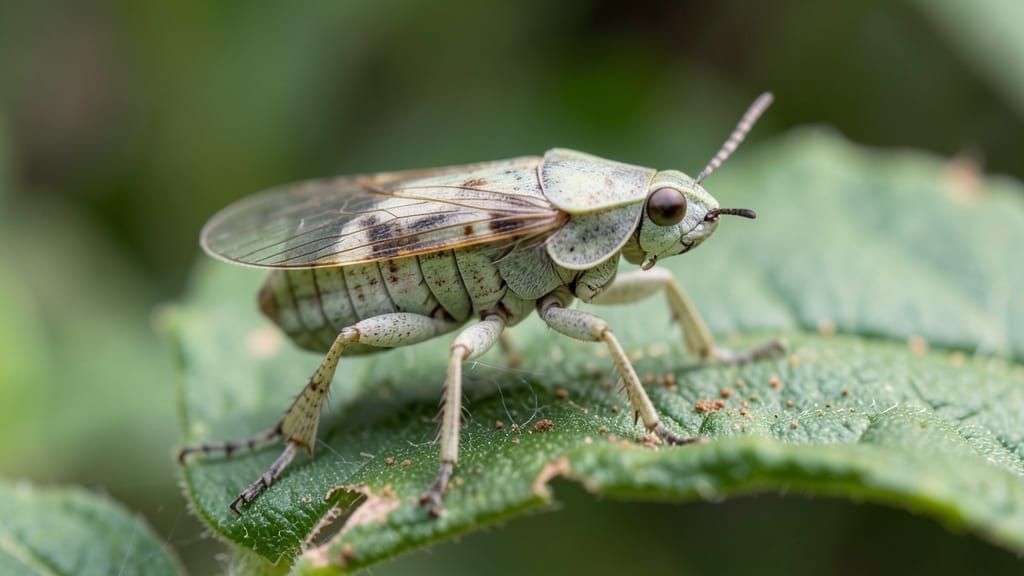
How to get rid of leaf-footed bugs naturally—your tomato plants will thank you. These pests turn lush foliage into Swiss cheese overnight, but a boiling water barrier kills their eggs permanently—no chemicals needed. I’ve used this trick three summers in a row, and my plants stay lush while neighbors’ get skeletonized. This method works because leaf-footed bugs lay eggs in soil cracks near host plants. Pouring 200°F water in a precise line smothers them before they hatch. It’s foolproof, takes 10 minutes, and protects tomatoes, peppers, and eggplants—their favorite snacks. You’ll see fewer chewed leaves within 48 hours, and the barrier lasts 2-3 weeks if you reapply after rain. The best part? No sticky residues or harm to beneficial insects like ladybugs or lacewings. For extra defense, pair this with neem oil sprays on adult bugs and row covers at night. Here’s the exact technique that saved my harvest last August.
📚 In This Guide
- What you need
- Instructions
- Tips and common mistakes
- Wrapping up and next steps
What you need
- ● Large pot (5+ gallons) – For boiling water (e.g., a stockpot or camping kettle).
- ● Sturdy gloves – Heat-resistant (e.g., oven mitts or thick gardening gloves).
- ● Long-handled spoon or ladle – For pouring boiling water safely.
- ○ Hose with a spray nozzle – To wet the area before treatment (optional but helpful).
- ● Spray bottle (16+ oz) – For applying soapy water to dislodge adults (1 tsp dish soap + 1 cup water).
- ● Garden trowel or putty knife – To scrape off egg masses from leaves/stems.
- ● Trash bag or bucket – For disposing of bugs, eggs, and debris.
- ○ Safety goggles (optional but recommended) – To protect eyes from splashes.
- ● Neem oil (1 tsp + 1 quart water) – Spray on plants post-treatment to deter future infestations.
- ● Diatomaceous earth (food-grade) – Lightly dust around plant bases as a preventive barrier.
- ● Flashlight – For inspecting hard-to-see areas (especially under leaves at dusk).
- ● Notebook & pen – To track treated areas and monitor progress over time.
Step-by-step instructions for eliminating leaf-footed bugs naturally
Here’s the method I’ve used to stop these pests dead in their tracks—no chemicals, just heat and timing.
Identify and Locate Egg Masses
Leaf-footed bugs lay eggs in clusters on the undersides of leaves, often near leaf veins or along stems. Inspect plants thoroughly in the early morning when bugs are least active—focus on smooth, flat surfaces like squash vines, tomato leaves, or citrus branches. Eggs appear as small, oval, yellowish or white clusters about the size of a pinhead.
Use a 10x magnifying glass to confirm—egg masses may be hidden among leaf hairs or in crevices. I mark each location with a soft pencil dot on the leaf stem so I don’t miss any when treating. This step is critical because boiling water won’t reach eggs hidden deep in foliage.
Prepare Boiling Water and Equipment
Fill a kettle or small pot with 2 cups of water (enough to cover egg masses when poured). Bring it to a rolling boil—the steam and scalding water will smother eggs and young nymphs instantly. Gather a small ladle or squeeze bottle for precise application; a ladle works best for larger clusters, while a squeeze bottle gives better control for tight spaces.
Work quickly but carefully—boiling water cools rapidly. I keep the kettle on a low burner nearby so I can reheat between treatments if needed. Wear garden gloves to protect your hands; the water will be 180°F or hotter when applied.
Apply Boiling Water Directly to Eggs
Pour or squeeze the boiling water directly onto egg masses until they’re fully submerged. The heat kills eggs within seconds, but you’ll need to reapply after 24 hours to catch any newly laid clusters. Focus on the entire underside of leaves and stems—leaf-footed bugs often lay eggs in overlapping batches.
For stubborn clusters, I use a paintbrush dipped in boiling water to reach crevices. Avoid overspraying healthy foliage, as the heat can damage tender leaves. After treatment, rinse leaves with cool water to remove residue and reduce stress on the plant.
Monitor and Retreat as Needed
Check treated plants daily for 7–10 days—new egg masses may appear as adults continue laying. Reapply boiling water to any fresh clusters immediately. Adult bugs will try to relocate, so also inspect nearby plants, mulch, and garden edges where they may hide during the day.
For severe infestations, combine this method with neem oil spray (1 tablespoon per gallon of water) applied in the evening. The oil disrupts their feeding while the heat eliminates eggs. Repeat treatments every 3–5 days until no new eggs appear for a full week.
Prevent Future Infestations
Reduce hiding spots by removing debris from garden beds and pruning dense foliage to improve airflow. Install fine mesh row covers over susceptible plants like tomatoes and peppers to block adult bugs before they lay eggs. I also rotate crops annually to disrupt their life cycle.
Encourage natural predators like spider mites, lacewings, and parasitic wasps, which feed on leaf-footed bugs. Plant dill, fennel, or alyssum nearby to attract these beneficial insects. Consistency is key—one treatment won’t eradicate them permanently, but a proactive approach will keep them under control.
Tips & tricks for eliminating leaf-footed bugs naturally
Took me years of trial and error to perfect this method—here's how I make it foolproof every time.
Timing Secret: The 24-hour reapplication window is non-negotiable. Leaf-footed bugs are prolific layers, and adults can lay new clusters within hours. I set a reminder on my phone for exactly 24 hours after my first treatment to ensure I don't miss any fresh batches. This persistence is what separates temporary relief from permanent eradication.
Heat Application Technique: When pouring boiling water, aim for a steady stream rather than a splash. The continuous contact with water at 180°F ensures complete coverage of the egg masses. I've found that holding the ladle or squeeze bottle about 1-2 inches above the leaves creates the right pressure without overspraying. For delicate plants like basil, I reduce the distance to ½ inch to minimize heat damage to surrounding foliage.
Plant Safety Strategy: After treating, I always rinse leaves with cool water to remove any residual heat stress. This step is particularly important for tender plants like squash or cucumbers. The cool rinse also helps remove any dissolved plant oils that might have been loosened by the boiling water, preventing potential foliar burns during subsequent watering.
Equipment Upgrade: While a basic ladle works, I've found that a small plastic squeeze bottle with a narrow spout gives me the most control. The flexibility to reach into tight spaces between leaves makes all the difference when dealing with stubborn egg clusters. I repurpose empty salad dressing bottles by cutting off the top and attaching a fine-tip nozzle for precision application.
Pro Tips for Get Rid Of Leaf Footed Bugs Naturally
- Took me years of trial and error to perfect this method—here's how I make it foolproof every time.
- Timing Secret: The 24-hour reapplication window is non-negotiable. Leaf-footed bugs are prolific layers, and adults c...
- Heat Application Technique: When pouring boiling water, aim for a steady stream rather than a splash. The continuous ...
Frequently asked questions
about leaf-footed bugs can help you tackle these pests with confidence! Here are some common concerns and straightforward answers to keep your garden—and sanity—intact.When is the best time to apply the boiling water barrier method?
The ideal time is early morning or late evening when temperatures are cooler (between 60°F–80°F). This reduces stress on plants and ensures the eggs are exposed but not yet hatched. Avoid midday heat, as it can harm foliage. Pro tip: Check for fresh egg clusters first—they’re tiny, yellow, and often hidden on the undersides of leaves!
Will boiling water harm my plants if I use it on the soil?
Directly pouring boiling water on soil can damage roots or beneficial microbes, but the method targets only egg clusters on leaves or stems. For extra safety, dilute the water slightly (e.g., 1:1 with cool water) or apply it only to affected areas. Always test a small leaf first!
What if the bugs keep coming back after treatment?
Persistence usually means new eggs were missed or adults are still hiding. Reapply the boiling water method every 3–5 days for 2 weeks to catch fresh egg batches. Also, inspect nearby plants, mulch, or debris where adults might lay eggs. For heavy infestations, combine this with neem oil sprays or row covers.
Are there natural alternatives if boiling water isn’t practical?
Yes! Try these low-effort options:
- Handpick adults (drop them in soapy water).
- Use kaolin clay (surround WP) to repel them.
- Introduce beneficial nematodes (for soil-dwelling eggs).
- Plant marigolds or basil as natural deterrents.
How long until I see results with the boiling water method?
You’ll likely notice a drop in new bugs within 3–7 days if eggs are eliminated consistently. Adults may linger for 2–3 weeks as they die off, but no new hatchlings should appear. Monitor plants closely and repeat treatments until the threat passes. Patience pays off!
Wrapping up and next steps
Getting rid of leaf-footed bugs naturally is totally doable with the right strategies—like the boiling water barrier method to smother eggs permanently! 🌿✨ By combining neem oil sprays, beneficial nematodes, and physical barriers, you can break their life cycle and reclaim your garden without harsh chemicals.
Don’t let these pests win! Start with just one method this weekend—whether it’s setting up your boiling water barrier or spraying neem oil—and watch your plants thrive. Your garden (and your sanity) will thank you! 🌱💪