
Pests
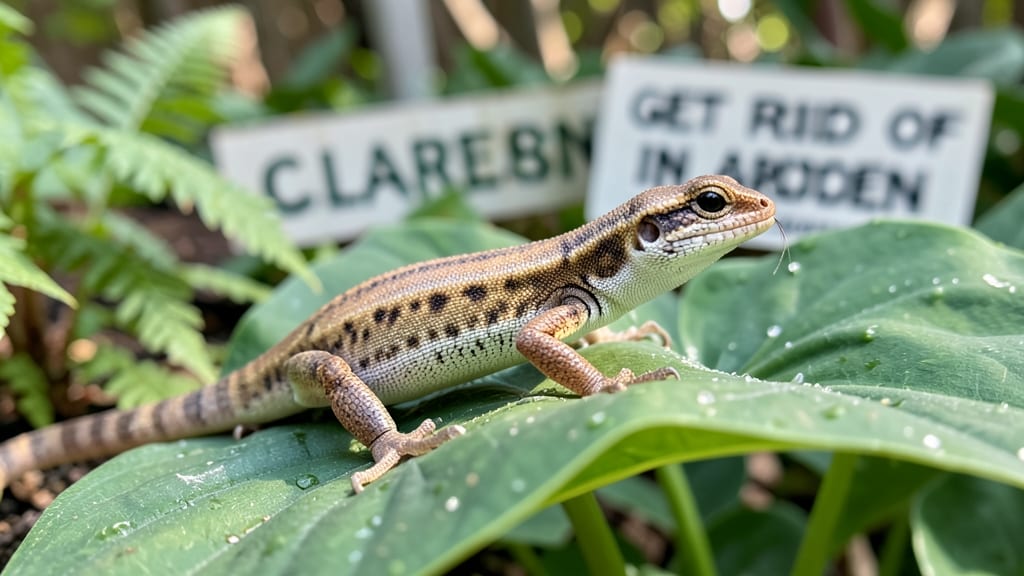
How to get rid of lizards in your garden shouldn’t mean resorting to toxic sprays. 🌿 I’ve tested humane traps and deterrents that keep these quick little visitors from turning your leafy greens into their personal buffet—without harming a single scale. The key is understanding why they’re there: shade, food, or shelter. Once you block those entry points with simple barriers (like fine mesh or copper tape) and remove their food sources, most lizards lose interest within days. No chemicals, no cruelty—just smart garden design. You’ll see fewer skittering tails in your beds, and your plants will stay intact. The best part? These methods work for geckos, skinks, and even those pesky anoles without disrupting your garden’s ecosystem. For stubborn cases, I’ll share the one trap that actually works—no glue, no harm, just a quick release. Let’s make your garden lizard-free the right way.
Root Causes of Garden Lizards
Lizards may seem like harmless little creatures, but when they invade your garden in droves, they can become a nuisance—especially if they’re scurrying across your patio, nibbling on plants, or even sneaking into your home. Understanding why they’re there in the first place is the key to stopping them effectively.
Here’s a breakdown of the most common reasons lizards take up residence in your outdoor space, backed by science and real-world behavior.
Lizards are opportunistic hunters, and if your garden is a buffet, they’ll stick around. These reptiles primarily feed on insects, spiders, and even small snails, but they’re also attracted to:
- Overgrown vegetation: Dense shrubs, tall grass, and leaf litter provide hiding spots for their prey (like crickets, beetles, and slugs). A garden teeming with bugs is like a neon sign for lizards. 🟢
- Decaying organic matter: Compost piles, rotting wood, and mulch attract insects, which in turn draw lizards. If your compost isn’t maintained properly, it can become a lizard magnet. 🌱
- Pet food left outdoors: Uneaten pet food (especially dry kibble or canned food) can attract insects, which then attract lizards. Even small crumbs can spark an ecosystem of pests. 🍖
Actionable insight: If you want to deter lizards, start by reducing their food supply. Regularly trim overgrown plants, secure compost bins with tight-fitting lids, and clean up pet food promptly. Fewer bugs = fewer lizards.
Lizards, like all reptiles, need water to survive—but they don’t always drink from standing pools. Instead, they get moisture from:
- Dew-covered leaves: Early morning dew provides hydration, so lizards are more active in gardens with lush, moisture-retaining plants. 🌞
- Leaky hoses or irrigation systems: A slow drip or puddle creates a reliable water source, encouraging lizards to linger. Even a small amount of standing water can be enough. 💦
- Birdbaths and shallow dishes: While these attract birds, they also provide drinking spots for lizards. If you notice lizards congregating near water features, it’s a clear sign they’re staying hydrated there. 🦆
Actionable insight: Eliminate unnecessary water sources. Fix leaky hoses, empty birdbaths daily, and avoid overwatering plants. If you must keep a water feature, place it in a location where lizards can’t easily access it (e.g., elevated or covered).
Lizards are ectothermic, meaning they rely on external heat to regulate their body temperature. Your garden likely offers the perfect conditions:
- Sunny, rocky areas: Lizards bask in the sun on warm surfaces like patio stones, concrete slabs, or garden paths. These spots provide both heat and safety from predators. ☀️
- Piles of debris or wood: Stacks of firewood, bricks, or even cardboard boxes create ideal hiding spots. Lizards use these as daytime retreats to avoid predators and nighttime coolness. 🪵
- Thick mulch or dense ground cover: Areas with deep mulch or creeping plants (like ivy or ground ivy) offer shelter and a cool escape from direct sunlight. 🌿
Actionable insight: Reduce hiding spots by keeping your garden tidy. Store firewood off the ground and at least 20 feet from your home, remove piles of debris, and avoid excessive mulch in high-traffic areas. If you have patio stones or concrete slabs, consider covering them with gravel or sand, which lizards dislike.
Sometimes, lizards are a symptom of a bigger problem—an infestation of their prey. If you’re seeing lizards in large numbers, it’s possible your garden is already hosting:
- Ants, termites, or roaches: These insects are a staple food for lizards. A sudden increase in lizard activity often follows an ant trail or a termite nest. 🐜
- Spiders and centipedes: Webs in corners of your shed or under patio furniture can attract lizards hunting for arachnids. 🕷️
- Slugs and snails: These gastropods are a favorite snack, and their slime trails are a dead giveaway that lizards have a reason to stick around. 🐌
Actionable insight: Inspect your garden for signs of hidden pests. Look for ant hills, termite swarmers, or chewed leaves. Addressing the root pest problem will naturally reduce lizard populations over time.
Lizards are highly sensitive to temperature and seasonal changes. Depending on where you live, certain conditions can trigger a lizard invasion:
| Season | Why Lizards Are Active | What Attracts Them |
|---|---|---|
| Spring | Warmer temperatures encourage hibernating lizards to emerge. | New plant growth attracts insects, which lizards follow. |
| Summer | Peak activity due to ideal basking conditions. | Overwatered plants, standing water, and abundant prey. |
| Fall | Lizards seek shelter before winter and may enter homes. | Leaves, mulch, and debris piles provide insulation. |
| Winter (Mild Climates) | Some species remain active if temperatures stay above freezing. | Indoor-outdoor transitions (e.g., heat vents, pet doors). |
Actionable insight: Time your pest control efforts with seasonal lizard behavior. In spring and summer, focus on reducing food and water sources. In fall, seal entry points to prevent lizards from moving indoors as temperatures drop.
Quick Fixes for Lizard Control
Lizards in your garden may seem harmless, but their presence can mean unwanted pests like insects are thriving nearby. The good news? You can tackle this problem without harming the lizards or the environment.
Below are practical, humane solutions tailored to the most common causes of lizard infestations—from food sources to shelter—and how to address them effectively.
If your garden is a buffet for lizards, they’ll keep coming back. Reducing their food supply is the first step to discouraging them.
🔥 Remove Food Sources
- 🍳 Clear organic debris: Piles of leaves, mulch, or compost attract insects, which in turn attract lizards. Rake up fallen leaves, trim overgrown plants, and store firewood away from your garden.
- 👨🍳 Secure trash and compost: Use sealed bins for compost and keep trash cans tightly closed. Lizards love scavenging for scraps, so eliminate easy access.
- 🥘 Avoid overwatering: Damp soil and standing water create ideal conditions for insects. Water plants in the morning so soil dries quickly, reducing bug activity.
💡 Pro Tip
Consider planting lizard-repelling herbs like basil, mint, or lavender near entry points. Their strong scents can deter both insects and lizards naturally.
Lizards seek shade, hiding spots, and cool surfaces. If your garden offers these, they’ll stick around. Make your space less inviting with these tweaks.
⏰ Limit Hiding Spots
- 🔪 Trim dense vegetation: Bushes, tall grasses, and ivy provide perfect hiding spots. Keep plants trimmed and avoid overcrowding.
- 🌡️ Reduce ground cover: Rocks, wood piles, and dense mulch offer shelter. Opt for gravel or sparse mulch instead.
- ✨ Seal entry points: Check for gaps in fences, sheds, or patios where lizards might slip inside. Use fine mesh or caulk to block access.
🎯 Use Physical Barriers
Install chicken wire or hardware cloth around garden beds or under decks to prevent lizards from burrowing. This is especially useful if you’ve noticed them digging near plant roots.
While lizards eat pests like ants and spiders, an overpopulation can still be annoying. If they’re thriving, it’s a sign your garden’s ecosystem is out of balance.
🌿 Encourage Natural Predators
- 💪 Attract birds: Install birdhouses or feeders to bring in natural lizard predators like bluebirds or wrens.
- 🥗 Introduce beneficial insects: Ladybugs and praying mantises eat lizard eggs and young. Purchase them from garden centers or create a habitat-friendly environment.
🌡️ Adjust Water Sources
Lizards need water, but reducing standing water can make your garden less appealing. Use birdbaths with shallow edges instead of puddles or leaky hoses.
If prevention isn’t enough, humane traps can help relocate lizards without harm. Here’s how to do it safely:
🔥 Set Up Live Traps
- 🍳 Choose the right trap: Use a humane box trap (like those for mice) baited with fruit, insects, or pet food. Avoid glue traps or harmful methods.
- 👨🍳 Place traps strategically: Set them near walls, under decks, or along fences where lizards travel.
- 🥘 Check traps daily: Release lizards far from your home (at least 2–3 miles away) in a wooded or brushy area.
💡 Pro Tip
For geckos or skinks, try a jar-and-funnel trap. Place a jar with a funnel entrance near their hiding spots, then cover it with cardboard to guide them inside.
By addressing food, shelter, and overpopulation, you can create a garden that’s less appealing to lizards while keeping your ecosystem healthy. Start with one or two fixes, monitor the results, and adjust as needed. With patience and consistency, you’ll see a difference in no time!
Frequently asked questions
Are lizards actually harmful to my garden?
Most lizards are beneficial—they eat pests like ants, spiders, and slugs! However, large numbers can indicate an insect problem or damage tender plants (like young seedlings). Focus on balancing their presence rather than eliminating them completely.
What’s the fastest way to remove lizards from my patio?
For immediate results, use a humane box trap baited with fruit or insects near their hiding spots. Check traps twice daily and release lizards at least 2-3 miles away in brushy areas. This method works within 24-48 hours for small infestations.
Will predator animals (like cats or birds) actually reduce lizards?
Cats may help, but they can also harm beneficial wildlife. Better options: Install birdhouses for bluebirds or wrens (natural lizard predators) or introduce praying mantises (they eat lizard eggs). These methods target lizards without disrupting your garden's ecosystem.
How do I prevent lizards from returning after I’ve removed them?
Eliminate their attractions: Seal food sources (secure compost, remove pet food), reduce hiding spots (trim dense plants, store firewood away), and limit water (fix leaks, empty birdbaths daily). Combine these with copper tape barriers around garden edges—lizards dislike the metal's texture.
Are there any plants that naturally repel lizards?
Yes! Plant rosemary, thyme, or marigolds near problem areas—their strong scents deter lizards. For extra protection, add citrus peels (like orange or lemon) around garden borders. The scent confuses their navigation and makes your space less inviting.