
How To
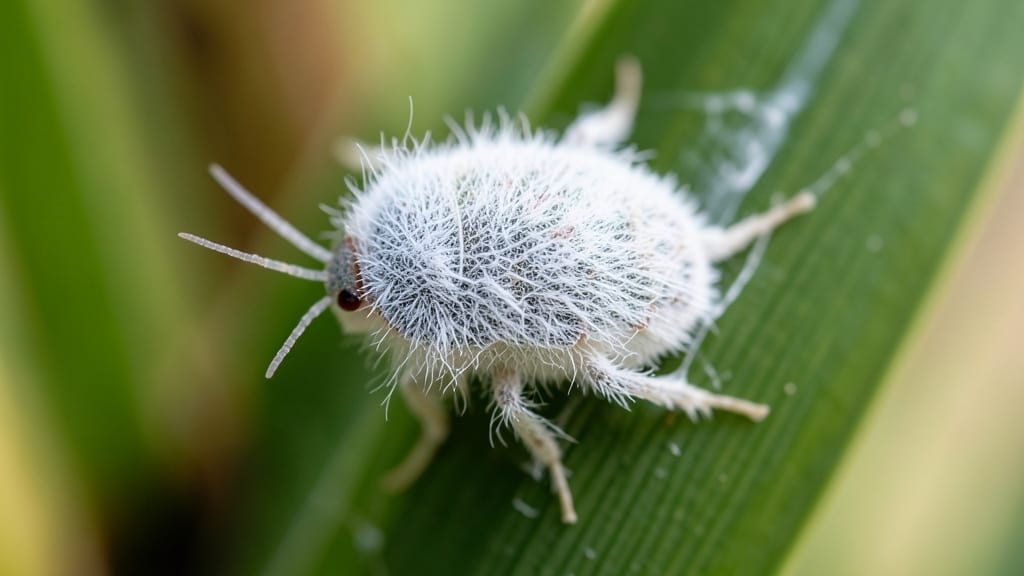
How to get rid of mealybugs on your Dracaena—those cottony pests have turned your once-lush plant into a sticky mess. 🌱 These sap-sucking invaders hide in leaf crevices, leaving behind a gooey residue that attracts ants, and they’re harder to spot than you’d think. The good news? A simple alcohol-soaked cotton swab can wipe them out in minutes, no harsh chemicals needed.
First, isolate the plant to stop the spread. Then grab 70% isopropyl alcohol and a cotton swab—dip it in, then gently scrub every leaf and stem, focusing on white cottony clusters.
Repeat every 3-5 days until no more bugs appear. For stubborn infestations, mix 1 tsp neem oil with a quart of water and spray the undersides of leaves weekly.
Your Dracaena will bounce back faster with a few adjustments: increase humidity with a pebble tray, wipe leaves with damp cloths to remove residue, and prune heavily infested leaves. Within 2-3 weeks, you’ll see fresh growth pushing out, and those sticky spots will disappear for good.
Prevention is key—check new plants before bringing them home, and keep your Dracaena’s environment clean. Trust me, once you’ve saved a plant from mealybugs, you’ll spot them before they become a problem. Let’s get that plant back to thriving!
Root Causes of Mealybug Infestations
Mealybugs don’t just appear out of thin air—they’re drawn to your Dracaena like a buffet because of specific conditions. Understanding why they target your plant is the first step to stopping them in their tracks.
Let’s break down the science behind their attraction and how your care routine might be inviting them in.
Mealybugs are like opportunistic pests—they thrive when your Dracaena is already struggling. A healthy plant has natural defenses, but stress weakens those barriers, making it an easy meal.
- Overwatering or Poor Drainage 💧 Mealybugs love moisture, but too much water creates the perfect breeding ground. When soil stays soggy, roots suffocate, and the plant can’t absorb nutrients properly.
This stress signals the plant to produce honeydew (a sticky sap), which mealybugs adore as a food source and a place to lay eggs.
- Underwatering or Drought Stress 🌵 Conversely, drought-stressed plants become nutrient-deficient, producing weak new growth that mealybugs find irresistible. Their piercing-sucking mouthparts make it easy to drain sap from already dehydrated leaves.
- Nutrient Deficiencies 🌱 A lack of nitrogen, phosphorus, or potassium weakens your Dracaena’s cell walls, making it harder to repel pests. Mealybugs detect these deficiencies and target the most vulnerable parts—often new shoots or undersides of leaves.
Mealybugs are tropical pests at heart—they love environments that mimic their natural habitat in sub-Saharan Africa and Southeast Asia.
- Humidity Levels Above 60% ☁️ Mealybugs thrive in high humidity because it keeps their waxy bodies hydrated and prevents desiccation. If your home or greenhouse stays consistently damp (e.g., from poor ventilation or overwatering), you’re rolling out the red carpet for them.
- Warm Temperatures (70–85°F) 🌡️ These pests are cold-sensitive and become sluggish below 60°F. If your Dracaena sits near a heater, sunny window, or in a conservatory, you’re creating an ideal incubator for mealybug populations to explode.
- Poor Air Circulation 🌀 Stagnant air traps moisture and CO₂, which mealybugs use to communicate via pheromones. If your plant is crowded with others or tucked into a corner, pests can spread unchecked.
Mealybugs hitchhike like tiny, wax-coated stowaways. Even if your Dracaena was previously pest-free, a single introduction can lead to an infestation.
- Infested Propagation Material 🌿 Buying a new Dracaena (or cuttings) from a nursery without inspecting for mealybugs is like bringing home a Trojan horse. These pests hide in leaf axils, stems, or root balls, and you might not spot them until it’s too late.
- Shared Gardening Tools ✂️ Pruners, scissors, or pots contaminated with mealybugs from another plant can transfer eggs or adults to your Dracaena. Always disinfect tools with rubbing alcohol (70%+) between uses.
- Pests from Other Houseplants 🐛 Mealybugs don’t discriminate—they’ll jump from a succulent to your Dracaena if given the chance. If you notice them on one plant, quarantine it immediately and inspect nearby greenery.
Mealybugs don’t just annoy your plant—they create a domino effect of problems.
- Honeydew Attracts Ants and Sooty Mold 🐜 The sticky honeydew they excrete isn’t just gross—it fertilizes sooty mold, a black fungal growth that blocks sunlight and further weakens your Dracaena. Ants, in turn, farm mealybugs for their honeydew, protecting the pests from predators.
- Weakened Immunity to Other Pests 🛡️ A mealybug-infested plant is more susceptible to spider mites, scale, or thrips because its energy is diverted to repairing damage rather than pest resistance.
Pro Tip: 💡 Mealybugs multiply rapidly—females can lay hundreds of eggs in a single lifetime. Act fast to prevent a full-blown colony!
Quick Fixes for Mealybug Menace
Now that you know what’s inviting those fuzzy pests to your Dracaena, let’s tackle them head-on with solutions that work—fast and without harsh chemicals. Mealybugs thrive in specific conditions, so targeting their weaknesses (like their love for moisture and dislike of alcohol) is key.
Below, we’ve mapped out practical fixes based on the root causes, plus prevention tips to keep your plant pest-free for good.
Mealybugs adore stressed plants, especially those with soft, new growth. If your Dracaena is cramped or nutrient-deficient, it’s like rolling out the welcome mat.
How to Fix It: Boost Plant Health
- 🌱 Repot if Needed - If roots are circling or the pot feels root-bound, move your Dracaena to a container 1-2 inches larger with fresh, well-draining soil.
Overcrowding weakens defenses. - Pro Tip: 💡 Use a terracotta pot—it breathes better than plastic, reducing humidity around roots (mealbugs hate dry conditions).
- 💧 Adjust Watering Habits
- Let the top 1-2 inches of soil dry out between waterings. Mealybugs love damp, soggy conditions.
- Warning: ⏰ Overwatering is the #1 way to invite them back. Stick your finger in the soil—if it’s damp, wait!
- 🌿 Fertilize Lightly
- Feed your Dracaena with a balanced, diluted fertilizer (like 10-10-10) every 4-6 weeks in spring/summer. Avoid overdoing it—too much salt builds up in soil, stressing roots.
Those white, cottony bugs leave behind honeydew, a sugary goo that attracts sooty mold—and more pests.
How to Fix It: Clean Up the Mess
- 🧼 Wipe Down Leaves
- Dip a soft cloth in a mix of 1 part water + 1 part rubbing alcohol (70% isopropyl) and gently wipe leaves to remove honeydew and eggs.
- Bonus: ✨ This also kills hidden mealybugs on the spot!
- 🚿 Rinse with Water
- Spray leaves with lukewarm water to wash away residue. Use a gentle stream to avoid damaging delicate fronds.
- 🌡️ Prevent Sooty Mold
- If black mold appears, mix 1 tsp mild dish soap + 1 quart water and spray lightly (test on a small area first). Reapply every 3-5 days until gone.
Mealybugs love to hide in leaf axils, undersides, and stems. If you’ve only seen a few, there could be a colony waiting.
How to Fix It: Manual Removal + Alcohol Trick
- 🔥 Spot-Treat with Alcohol - Dip a cotton swab in rubbing alcohol and dab directly onto mealybugs (they’ll dissolve in seconds!).
Focus on: - Leaf undersides - Stem crevices - New growth tips - Safety Tip: 🌡️ Test on a small area first—some Dracaena varieties are sensitive to alcohol.
- 👨🍳 Systemic Treatment (For Bad Cases) - If bugs keep coming back, use a neem oil spray (1 tsp neem oil + 1 tsp mild soap + 1 quart water).
Spray every 5-7 days until gone. - Why Neem Works: 🎯 It disrupts their life cycle and smells terrible to them (but safe for plants!).
- 🔪 Prune Infested Areas
- Cut off heavily infested leaves or stems with sterilized scissors (wipe with alcohol between cuts). Dispose of clippings in a sealed bag.
Once you’ve kicked them out, lock the door with these habits:
- 🌿 Inspect New Plants – Quarantine any new Dracaena or houseplants for 2 weeks before introducing them to your collection. - 🕷️ Introduce Beneficial Insects – Ladybugs and lacewings devour mealybugs.
Buy them online or attract them with dill or fennel plants. - 🌡️ Maintain Ideal Conditions – - Light: Bright, indirect sunlight (no direct sunburn). - Humidity: Keep it moderate (40-50%).
Avoid misting leaves—mealbugs love dampness. - Cleanliness: Wipe leaves monthly with a damp cloth to remove dust and early-stage pests. - 🚫 Avoid Over-Fertilizing – Too much nitrogen = soft, weak growth = mealybug buffet.
Final Thought: 🎯 Consistency is key! Check your Dracaena weekly for early signs (cottony bits, sticky leaves). The sooner you act, the easier it is to win this battle. With these fixes, your plant will be mealbug-free in no time—and looking lush and happy again!
Frequently asked questions
Why do mealybugs keep coming back after I treat my Dracaena?
Mealybugs are persistent because their eggs can survive multiple treatments. Always check the undersides of leaves and stem crevices—eggs are tiny and white. Repeat treatments every 3-5 days for at least 2 weeks to kill newly hatched bugs. Also, ensure you’re fixing root causes like overwatering or poor air circulation.
Is rubbing alcohol safe for all Dracaena varieties?
Most Dracaena varieties tolerate 70% isopropyl alcohol when used properly, but some sensitive types (like Dracaena marginata) may develop brown spots. Always test a small area first. If you notice damage, switch to a neem oil spray or soapy water instead.
Can I use dish soap to kill mealybugs on my Dracaena?
Yes! Mix 1 tablespoon mild dish soap with 1 quart water and spray it directly on mealybugs. The soap breaks down their protective wax coating. Reapply every 5-7 days until they’re gone. Just avoid using it on variegated Dracaena—soap can strip leaf color over time.
How do I know if my Dracaena is recovering from mealybugs?
Look for these signs: new growth at the tips, less sticky residue on leaves, and no more cottony clusters. Healthy leaves should also appear firm and green rather than yellowed or wilted. If you see ants around your plant, that’s a red flag—mealbugs may still be hiding!
What should I do if mealybugs spread to other houseplants?
Isolate the infested plants immediately to prevent cross-contamination. Treat each affected plant separately with alcohol wipes or neem oil. Disinfect any shared tools (scissors, pots) with rubbing alcohol. Check nearby plants weekly for early signs—mealybugs spread faster than you’d expect!