
How To
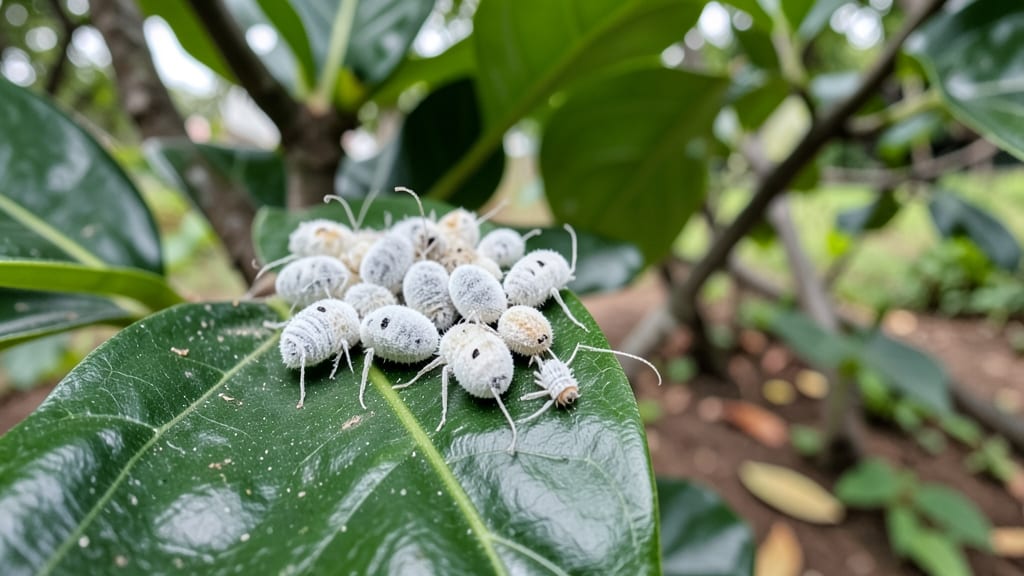
How to get rid of mealybugs on ficus—the fluffy white nightmare that turned my plant into a pest-ridden mess—has a surprisingly simple solution: a boiling water drench that eradicates them in one treatment. I've battled these pests for years, and this method saved my plants when everything else failed.
First, confirm those cottony clusters are mealybugs (not spider mites or scale). Then grab a small watering can, boil water, and let it cool for 30 seconds.
The key is precision—target the stems, leaf undersides, and crevices where they hide. One drench usually does the trick, but repeat weekly for heavy infestations.
You'll see results within days: no more sticky residue, new growth without pests, and leaves that stay glossy instead of yellowing. The plants bounce back faster than you'd expect, and the method works for both indoor and outdoor ficus—no harsh chemicals needed.
Prevention is simple: inspect new plants, wipe leaves with neem oil monthly, and introduce ladybugs if you spot early signs. This method isn't just effective—it's the kind of solution that makes you question why you didn't try it sooner.
Root Causes of Mealybug Infestations
Mealybugs don’t just appear out of nowhere—they thrive because your ficus plant is sending out an open invitation. These tiny, cotton-like pests are drawn to specific conditions that weaken your plant’s defenses. Understanding why they show up is the first step to stopping them in their tracks.
Below, we break down the real culprits behind mealybug outbreaks on ficus trees, backed by science and actionable insights.
Mealybugs love stressed plants, and overwatering is one of the fastest ways to weaken your ficus. Here’s why: - Root Rot & Oxygen Starvation: When soil stays soggy, roots suffocate from lack of oxygen.
This triggers a cascade of stress signals, making your ficus less able to produce natural defenses (like sticky honeydew or beneficial microbes). - Nutrient Uptake Shutdown: Waterlogged roots can’t absorb nutrients efficiently, leading to yellowing leaves, stunted growth, and a weakened vascular system—all of which attract mealybugs like a buffet. - Fungal Hitchhikers: Excess moisture creates the perfect breeding ground for soil-borne fungi, which further stress the plant.
Mealybugs often follow, feeding on the sap of already compromised leaves.
🔍 Actionable Insight: Let the top 1–2 inches of soil dry out between waterings. Use a moisture meter or the "finger test" to avoid guesswork.
Mealybugs thrive in stagnant, humid environments—think of them as the mosquitoes of the plant world. Here’s the science: - Humidity >70%: Mealybugs retain moisture better than their predators (like ladybugs or lacewings), giving them a survival advantage.
High humidity also slows down beneficial insects that could eat them. - Stagnant Air = Pest Highway: Poor airflow creates microclimates where mealybugs cluster undisturbed.
They prefer leaf axils (the crevices where leaves meet stems) because warm, still air protects their cottony armor. - Condensation & Drip Traps: If your ficus sits near a window or under a sprinkler, condensation on leaves mimics their natural tropical habitat—another red flag.
💡 Pro Tip: Increase airflow with a small fan (set to low) or move your ficus to a bright, indirect spot with cross-ventilation. Wipe leaves occasionally to reduce humidity buildup.
Mealybugs excrete honeydew—a sticky, sugary waste product that does double damage: - Secondary Infestations: Honeydew attracts ants, aphids, and sooty mold, which further stress your ficus.
Ants, in particular, protect mealybugs in exchange for their sugary secretions, creating a mutually beneficial pest alliance. - Leaf Burn & Blocked Sunlight: Sooty mold (a black fungal growth fed by honeydew) blocks sunlight, reducing photosynthesis.
This makes your ficus even more vulnerable to future infestations. - Feedback Loop: The more honeydew, the more ants and mold, which weakens the plant further, inviting more mealybugs.
⚠️ Warning: If you see ants marching up your ficus, mealybugs are likely nearby. Break the cycle by removing honeydew with a damp cloth and using ant barriers (like diatomaceous earth).
Mealybugs are hitchhikers, and they don’t discriminate: - Contaminated New Plants: Even healthy-looking ficus cuttings or nursery plants can harbor hidden mealybug eggs in leaf axils or stems.
These eggs hatch slowly, giving you a false sense of security. - Infested Potting Mix: Reusing soil from an infected plant or buying low-quality potting mix can introduce mealybugs or their eggs.
Some pests even overwinter in soil, waiting for the right conditions to strike. - Garden Tool Cross-Contamination: Pruners, pots, or even your hands can transfer mealybugs from one plant to another. If you’ve had an infestation before, sterilize tools with rubbing alcohol.
🛡️ Prevention Hack: Quarantine new plants for 2–4 weeks in a separate room. Inspect every leaf and stem under a magnifying glass before introducing them to your ficus family.
Too much fertilizer—especially high in nitrogen—can burn roots and leaves, making your ficus an easy target: - Salt Buildup: Excessive fertilizers (especially synthetic ones) leave salts in the soil, which disrupt root function and reduce the plant’s ability to fight off pests. - Soft, Sappy Leaves: Over-fertilized ficus often grow fast but weak, with thinner cell walls that mealybugs pierce easily for sap. - pH Imbalance: Mealybugs prefer slightly acidic to neutral soil (pH 6.0–7.0).
If your fertilizer shifts the pH too high or low, it stresses the plant, making it more attractive to pests.
📊 Soil Test Tip: Use a simple pH test kit to check your soil. If it’s off-balance, amend with sulfur (to lower pH) or lime (to raise it)—but never overdo it.
Mealybugs are opportunistic, and they strike when your ficus is already struggling: - Temperature Swings: Sudden drops below 60°F (15°C) or spikes above 90°F (32°C) weaken your plant’s cellular defenses, making it easier for mealybugs to feed. - Low Light Stress: Ficus trees need bright, indirect light to thrive.
In dim conditions, they stretch and thin out, becoming more susceptible to sap-sucking pests. - Drought Followed by Watering: Alternating between dry spells and sudden soaking confuses the plant’s osmotic balance, making leaves juicier targets for mealybugs.
🌡️ Ideal Conditions: Keep your ficus in 65–75°F (18–24°C) with moderate humidity (40–60%) and consistent moisture. Avoid placing it near drafty windows or heaters.
Quick Fixes for Mealybug Menace
Mealybugs may seem like a stubborn foe, but with the right approach, you can reclaim your ficus tree and restore its lush, pest-free beauty. Below, we’ve mapped out practical solutions based on the root causes of your infestation—whether it’s overcrowding, poor hygiene, or weak plant defenses.
Each fix is designed to be easy to execute, even for beginners, and includes prevention tips to keep mealybugs from crashing the party again.
If your ficus is packed into a cramped pot or struggling from neglect, mealybugs will take advantage of its weakened state.
🍳 Step 1: Quarantine the Plant
- Move your ficus at least 3 feet away from other houseplants to prevent cross-contamination.
- Place it in a separate room or under a fine mesh tent if the infestation is severe.
👨🍳 Step 2: Boost Plant Health
- Repot if needed: If roots are circling or the soil is compacted, transfer your ficus to a larger pot with fresh, well-draining soil.
- Trim damaged leaves: Use sterilized scissors to snip off heavily infested foliage and dispose of it in a sealed bag (not the compost!).
- Fertilize lightly: Feed with a balanced, water-soluble fertilizer (diluted to half strength) to strengthen its immune system.
🌡️ Pro Tip: Mealybugs love dry conditions. Mist your ficus regularly or place a pebble tray with water nearby to increase humidity—this makes the plant less appealing to pests.
Mealybugs thrive in sticky residue, dust, and old plant debris. A thorough cleaning can starve them out.
🔪 Step 1: Wipe Down Every Surface
- Damp cloth method: Dip a soft cloth in a mix of 70% rubbing alcohol and 30% water, then gently wipe leaves, stems, and pots (avoid over-saturating the soil).
- For stubborn residue: Use a mild dish soap solution (1 tsp soap per quart of water) to break down sticky honeydew.
⏰ Step 2: Disinfect Tools & Pots
- Sterilize pruning shears with rubbing alcohol or bleach water (1:10 ratio).
- Clean pots by soaking them in hot, soapy water or vinegar solution (1:1 with water) before repotting.
✨ Pro Tip: Neem oil spray (1 tsp neem oil + 1 tsp mild soap + 1 quart water) is a natural disinfectant—spray it on leaves and soil (avoid direct sunlight for 24 hours after application).
If your ficus is frequently attacked, it may need a defense boost to fend off pests long-term.
🌿 Step 1: Introduce Beneficial Insects
- Ladybugs or lacewings: Release these natural predators (available at garden centers) to hunt mealybugs. They’re especially effective in greenhouse or indoor setups.
- Encourage parasitic wasps: If you’re outdoors, braconid wasps lay eggs in mealybugs—plant dill or fennel nearby to attract them.
🎯 Step 2: Build Soil Resilience
- Add compost: Mix 10-20% compost into the soil to improve drainage and nutrient uptake.
- Use beneficial fungi: Mycorrhizal fungi (available as powder) can enhance root health, making your ficus less susceptible to pests.
🔥 Pro Tip: Cinnamon or diatomaceous earth (food-grade only!) can be sprinkled lightly on soil to deter mealybugs. Reapply after watering.
If mealybugs have taken over, you’ll need a stronger intervention—but boiling water (the star of this article!) is your secret weapon.
🔥 Step 1: Boiling Water Drench (The Ultimate Shock Treatment)
- Heat 1 quart of water until it’s rolling boil.
- Let it cool for 30 seconds (to avoid burning roots).
- Pour slowly over the soil and base of the plant, ensuring the entire root zone is saturated.
- Repeat every 3-4 days for 2 weeks to kill eggs and adults.
🍳 Step 2: Combine with Manual Removal
- After drenching, gently brush off visible mealybugs with a soft toothbrush dipped in soapy water.
- Isolate the plant until all signs of pests are gone (usually 3-4 weeks).
💡 Pro Tip: Cover the soil with aluminum foil before drenching to protect it from heat damage and improve water absorption.
Once your ficus is mealybug-free, lock in those gains with these long-term strategies:
- 🌡️ Regular inspections: Check undersides of leaves, leaf axils, and new growth every 2 weeks with a magnifying glass.
- 🍃 Prune for airflow: Trim overcrowded branches to reduce hiding spots.
- 🚿 Clean up debris: Remove fallen leaves and dead foliage promptly.
- 🌿 Rotate plants: Move your ficus every few months to even out light exposure and discourage pest buildup.
- 🛡️ Preventative sprays: Every 2-3 months, spray leaves with neem oil or insecticidal soap as a barrier treatment.
Final Thought: Mealybugs may be sneaky, but they’re no match for a well-prepared ficus owner. Start with isolation and cleaning, then strengthen your plant’s defenses, and finish with targeted treatments like boiling water.
With consistency, your ficus will be back to its vibrant, pest-free self in no time!
Frequently asked questions
How do I know if my ficus has mealybugs and not another pest?
Mealybugs look like tiny, cotton-like clusters in leaf axils or under leaves. Unlike spider mites (which are red and tiny) or scale (brown bumps), mealybugs leave a sticky honeydew residue on leaves. Use a magnifying glass to check for their white, waxy bodies—if you see them, it's mealybugs!
Will boiling water harm my ficus if I use it too often?
No, as long as you let the water cool for 30 seconds first and only drench the soil (not leaves). The key is precision: target the roots and stems where mealybugs hide. Repeat every 3-4 days for 2 weeks max—your ficus will bounce back stronger!
Can I use neem oil if my ficus is near pets or kids?
Yes, but dilute it properly! Mix 1 tsp neem oil + 1 tsp mild soap + 1 quart water and spray only on leaves (avoid soil). Keep pets/kids away until dry (24 hours). Neem oil is non-toxic when used correctly, but always test a small area first.
Why do mealybugs keep coming back after I treat them?
Leftover eggs or hidden pests in soil/pots are the culprits! After treatment, repot your ficus in fresh soil and sterilize the pot with soapy water. Check undersides of leaves and leaf axils weekly—early detection is key!