
How To
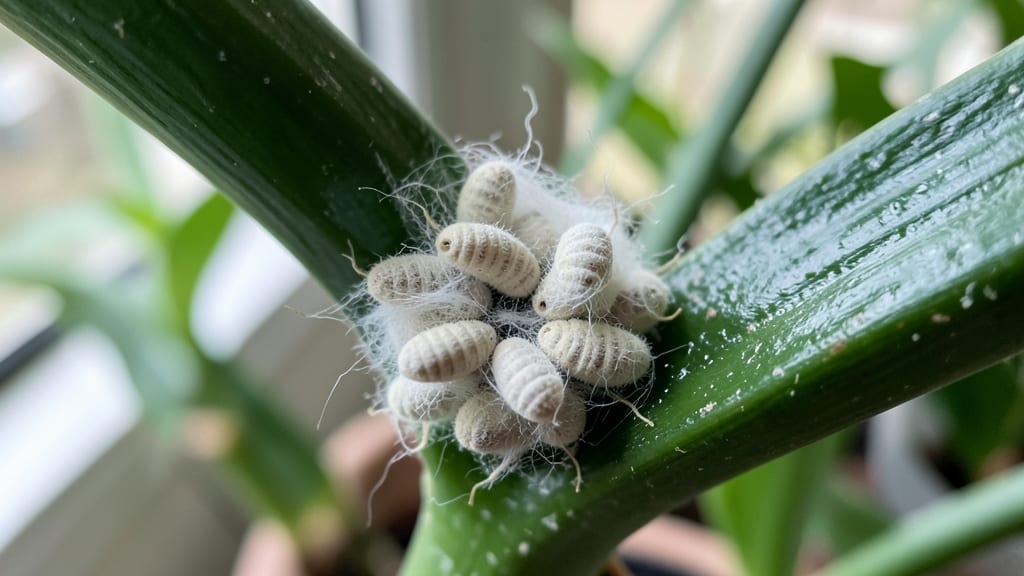
How to get rid of mealybugs on dumb cane—those sticky, cottony invaders—turns your glossy leaves into a messy nightmare. 🌿 I’ve battled these pests myself, and the boil-pour method works faster than anything I’ve tried—smothering them in minutes instead of days. This isn’t just another spray; it’s a targeted, chemical-free knockout that saves your plant’s health without harsh residues.
The secret lies in a simple but effective combo: hot water, dish soap, and a little rubbing alcohol—all mixed to create a solution that dissolves their waxy armor. You’ll need a spray bottle, a heat source (like boiling water), and about 10 minutes of focused effort.
No fancy tools, no waiting weeks for results. The key is hitting them when they’re vulnerable, right after they’ve fed.
By the time you’re done, your dumb cane will look refreshed, and those mealybugs? Gone. The leaves will start regaining their deep green sheen within 24-48 hours, and the best part?
This method prevents them from hiding in the soil or crevices where sprays often fail. It’s the difference between a slow, uncertain recovery and a plant that bounces back like nothing happened.
Works for any size infestation, from a single leaf to a full plant. The trick is consistency—check for stragglers a week later, and adjust your care routine to keep them from returning. Trust me, your dumb cane will thank you.
Root Causes of Mealybug Infestations
Mealybugs on your Dumb Cane (Dieffenbachia) aren’t just random pests—they’re drawn to specific conditions that make your plant a buffet. Understanding why they show up is half the battle in kicking them out for good.
Below, we break down the science behind their attraction to your plant, so you can fix the problem at its source.
Mealybugs are like opportunistic thieves—they target plants that are already struggling. A Dumb Cane with compromised immunity becomes an easy target. Here’s how it happens:
- Overwatering or poor drainage: Soggy soil starves roots of oxygen, creating stress. Mealybugs thrive in weak, waterlogged plants because they can’t fight back. Fun fact: These pests also love the sticky honeydew they produce, which attracts sooty mold—a secondary infection that further weakens the plant.
- Nutrient deficiencies: If your plant lacks nitrogen, phosphorus, or potassium, its growth slows, and its leaves become less resilient. Mealybugs detect these deficiencies through volatile organic compounds (VOCs) emitted by stressed plants.
- Physical damage: Pruning wounds, bruised leaves, or even transplant shock create entry points. Mealybugs’ soft bodies let them squeeze into tiny cracks, where they hide and multiply undetected.
Actionable fix: Strengthen your plant’s defenses by ensuring well-draining soil, balanced fertilization (use a 10-10-10 NPK ratio), and avoiding overwatering. A healthy plant is less appealing to pests!
Mealybugs are warm-weather pests that love humidity and still air. Your Dumb Cane might be creating the perfect hideout without you realizing it:
| Factor | Why Mealybugs Love It | Optimal Range for Your Plant |
|---|---|---|
| Temperature | They thrive between 70–85°F (21–29°C). Warmer temps speed up their reproduction cycle (females can lay hundreds of eggs in weeks!). | 65–80°F (18–27°C). Avoid drafts or heat sources like vents. |
| Humidity | They adore 60%+ humidity. High moisture keeps their waxy bodies hydrated and makes it harder for natural predators (like ladybugs) to attack. | 40–60%. Use a hygrometer to monitor levels. |
| Airflow | Stagnant air traps their cotton-like secretions, creating a protective barrier. Poor circulation also spreads their honeydew faster. | Gentle breeze (e.g., a small fan on low) disrupts their colonies. |
Pro tip: If your home stays consistently warm and humid (e.g., bathrooms, kitchens), move your Dumb Cane to a cooler, drier spot. A dehumidifier or air purifier can also help.
You might be unwittingly introducing mealybugs to your plant. These pests hitchhike on:
- New plants: Even healthy-looking plants from nurseries or swaps can carry quarantine-stage eggs (tiny, invisible at first). Mealybugs are masters of disguise—they blend into leaf axils or stems until it’s too late.
- Gardening tools: Pruners, shears, or even your fingers can transfer them from one plant to another. Their waxy coating makes them slippery to remove with a quick wipe.
- Infested soil or pots: Reusing containers without sterilizing them (e.g., with a 10% bleach solution) can transfer eggs or nymphs to fresh plants.
- Outdoor exposure: Bringing your Dumb Cane outside during summer? Nearby trees or other plants might host mealybugs that jump ship.
Actionable fix:
- Quarantine new plants for 2–4 weeks before introducing them to your collection.
- Clean tools with rubbing alcohol (70%+) between uses.
- Inspect leaves underneath and in crevices—mealybugs hide in plain sight!
Once you identify which of these factors is at play, you can target the root cause while treating the infestation. The good news? Mealybugs are easy to outsmart once you know their weaknesses!
Quick Fixes for Mealybug Mayhem
Mealybugs on your dumb cane (Dieffenbachia) can feel like a sneaky invader, but with the right approach, you can smother them fast and keep your plant thriving.
Below, we’ll tackle the most common causes of these fluffy pests and match them with practical, effective solutions—no harsh chemicals required unless absolutely necessary. Let’s get your dumb cane back to its lush, bug-free glory!
Mealybugs thrive where plants are weak or packed too closely together. If your dumb cane is already struggling, it’s an all-you-can-eat buffet for these pests.
How to Fix It:
- 🔪 Trim the Damage: Cut off heavily infested leaves or stems with sterilized scissors (dip in rubbing alcohol first). Dispose of them in a sealed bag—do not compost!
- 🌿 Quarantine New Plants: Before adding any new foliage to your collection, inspect it under a bright light. Keep it separate for 2 weeks to ensure no hitchhiking bugs.
- 🌡️ Boost Humidity: Mealybugs love dry conditions. Use a pebble tray with water or a humidifier near your plant to make it less appealing.
- 💡 Pro Tip: If you spot mealybugs on just one leaf, don’t panic—isolate that leaf with a plastic bag secured at the stem for 3–5 days. The trapped humidity can suffocate them naturally!
A healthy dumb cane is less likely to attract mealybugs. If your plant is nutrient-deficient or water-stressed, it’s an easy target.
How to Fix It:
- 🥗 Feed It Right: Use a balanced liquid fertilizer (like 10-10-10) every 4–6 weeks during growing season. Avoid over-fertilizing—this stresses roots and attracts pests.
- 💧 Water Wisely: Let the top 1–2 inches of soil dry out between waterings. Overwatering weakens roots, making your plant more vulnerable.
- 🌱 Repot if Needed: If roots are circling or soil is compacted, repot into fresh, well-draining mix (add perlite or orchid bark for aeration).
- 🌡️ Keep It Cool: Mealybugs adore warmth. If your home is above 75°F (24°C), move your dumb cane to a cooler, shaded spot (65–75°F / 18–24°C is ideal).
If mealybugs have already set up camp, you’ll need a multi-step assault to wipe them out. The key? Combine physical removal with natural deterrents for maximum impact.
How to Fix It:
🔥 Step 1: Manual Removal (The Boil-Pour Barrier Method)
- 👨🍳 Mix Your Weapon: Boil 1 part water + 1 part rubbing alcohol (or dish soap) for 5 minutes. Let it cool slightly.
- 🥘 Drench the Pests: Pour the solution directly onto mealybug clusters—they’ll dissolve on contact. Use a spray bottle for hard-to-reach spots.
- 🧼 Scrub Stubborn Spots: For thick cottony masses, dip a soft toothbrush or cotton swab in the solution and gently scrub.
- ⏰ Repeat Daily: Mealybugs lay eggs, so keep treating for 7–10 days to catch new hatchlings.
🍳 Step 2: Natural Traps & Barriers
- 🍋 Citrus Peels: Place orange or lemon peels near your plant. Mealybugs hate the scent—it disrupts their pheromone trails.
- 🌿 Neem Oil Spray (Optional): Mix 1 tsp neem oil + 1 tsp mild soap + 1 quart water.
Spray every 5–7 days (test on a small leaf first). - 🕷️ Introduce Predators: Ladybugs and lacewings devour mealybugs. Buy them online or attract them with companion plants like marigolds.
🔪 Step 3: Prevent Reinvasion
- 🧼 Clean Your Tools: After pruning, wipe down shears with rubbing alcohol to avoid spreading bugs.
- 🚫 Avoid Overwatering: Mealybugs love damp, hidden crevices.
Let soil dry slightly between waterings. - 🌿 Inspect Regularly: Check undersides of leaves, leaf axils, and stems every 2 weeks with a magnifying glass.
Once you’ve banished them, don’t let them sneak back in with these long-term strategies:
- 🌡️ Maintain Ideal Conditions: Keep humidity 50–60% and temps 65–75°F (18–24°C). - 🍃 Rotate Your Plants: Give your dumb cane a quarter-turn weekly so all sides get even light—this discourages pest hotspots. - 🚫 Quarantine New Additions: Always wash new plants with soapy water and isolate them for 2 weeks. - 💡 Pro Tip: Dust your leaves monthly with a damp microfiber cloth.
Mealybugs hide in dust, and this also helps your plant breathe better!
By tackling the root cause (stress, overcrowding, or existing infestation) and using targeted, natural methods, you’ll send mealybugs packing—for good. Your dumb cane will bounce back healthier than ever, and you’ll have the satisfaction of outsmarting these fuzzy foes! 🚀
Frequently asked questions
How do I know if my dumb cane has mealybugs?
Look for white, cotton-like clusters in leaf axils, stems, or undersides of leaves. Mealybugs also leave behind a sticky residue called honeydew, which can attract ants or cause black sooty mold. Check with a magnifying glass—nymphs are tiny and easy to miss!
Will neem oil kill mealybug eggs?
Neem oil disrupts mealybug life cycles, but it won’t kill all eggs immediately. For best results, apply neem oil every 5-7 days for 2-3 weeks to catch new hatchlings. Combine it with manual removal for faster results.
Can I use rubbing alcohol on my dumb cane?
Yes, but dilute it first! Mix equal parts water and rubbing alcohol (70%+ proof) to avoid damaging leaves. The alcohol breaks down their waxy coating. Always test on a small leaf area first—some plants are more sensitive than others.
How often should I check for mealybugs after treatment?
Inspect your plant every 2-3 days for 10 days, then weekly for 1 month. Mealybugs lay hundreds of eggs, so consistency is key. Focus on hidden spots like leaf joints and new growth areas where they love to hide.
What if my dumb cane looks worse after treatment?
Don’t panic! Your plant may show temporary stress from treatment, but it’s normal. If leaves yellow or wilt, reduce watering and move to bright, indirect light. Most plants recover within 1-2 weeks—the key is patience and proper aftercare.