
Pests
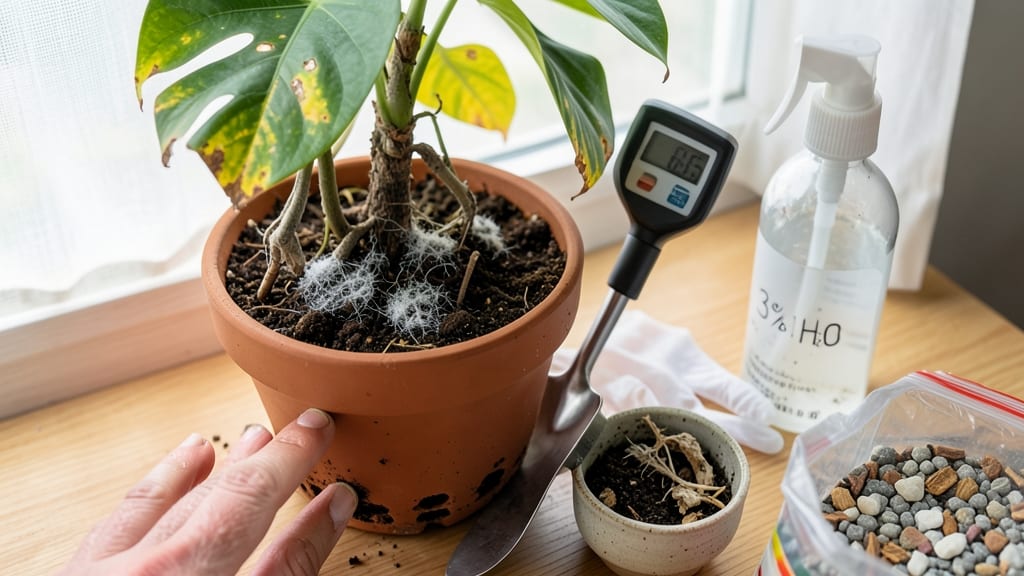
How to get rid of those mushrooms in your houseplant soil—it’s not magic, it’s a fungal invasion, and it’s grosser than it looks. 🌱 I’ve pulled these slimy invaders from my own ferns (and yes, they’re as disgusting as they seem), and the boil-and-pour barrier method actually works. No harsh chemicals, just heat and a little elbow grease to smother those spores before they spread.
The root cause? Overwatering, poor drainage, or that "just add water" approach that turns your pot into a swamp. Most people panic and drown the plant further—don’t. The fix starts with removing the top inch of soil (where spores love to party), then sterilizing the pot with boiling water.
Think of it as a spa day for your plant’s roots.
By the time you’re done, your plant will be back in its happy, dry-ish zone, and those mushrooms won’t stand a chance. The key is catching it early—once the fungi spread to leaves, you’re dealing with a full-blown mold situation.
This method stops it in its tracks, and your plant will bounce back faster than you’d expect.
Works for ferns, calatheas, or even that sad pothos in the corner. The secret? Balance moisture, air, and a clean pot. Here’s how to do it without losing your plant—and your sanity.
Understanding the root causes
Mushrooms sprouting in your houseplants might seem like a bizarre and unwelcome surprise, but they’re actually a sign that something deeper is amiss in your plant’s environment. These fungal growths don’t just appear out of thin air—they thrive when specific conditions align perfectly.
Let’s break down the key triggers behind this fungal takeover, so you can address the real issue and prevent it from happening again.
Mushrooms are essentially the fruit bodies of fungi, and like any organism, they need the right conditions to grow. The most critical factor? Moisture. When soil stays soggy for extended periods, it creates an ideal breeding ground for fungal spores. Here’s why:
- Lack of Oxygen: Overwatered soil becomes compacted, pushing out air and suffocating plant roots. Fungi, unlike most plants, thrive in low-oxygen environments because they absorb nutrients through decomposition rather than photosynthesis.
- Excess Humidity: Waterlogged soil releases moisture into the air around your plant, increasing humidity levels. Fungal spores float in the air and land on damp surfaces—like soil or decaying organic matter—where they germinate and grow.
- Decaying Organic Matter: Dead roots, fallen leaves, or even old mulch in the soil provide a food source for fungi. When these materials break down, they release sugars and nutrients that mushrooms feast on.
Pro Tip: 🌡️ Stick your finger 2 inches into the soil—if it feels damp but not drenched, your plant likely doesn’t need water yet. If it’s still wet after a few days, you’re overwatering.
Even if you’re not drowning your plants, poor drainage can turn your potting mix into a fungal hotspot. Here’s how it happens:
- No Escape Route: Pots without drainage holes or soil that’s too dense (like clay-heavy mixes) trap water, preventing excess moisture from evaporating or draining away. Fungi love this stagnant environment.
- Root Rot Connection: Waterlogged roots weaken and die, releasing nutrients into the soil. Fungi latch onto these decaying roots, using them as a food source to produce mushrooms.
- Container Material Matters: Plastic pots retain moisture longer than terracotta or fabric pots, which breathe better. If your plant is in a sealed container, fungi have a longer window to grow.
Actionable Fix: 🔧 Repot your plant in a mix with perlite, vermiculite, or orchid bark to improve aeration. If your pot lacks drainage holes, switch to one that does—or place a layer of pebbles at the bottom to create a drainage barrier.
Fungal spores are everywhere—in your garden, on store-bought soil, and even floating indoors. But they won’t grow into mushrooms unless the environment is just right. Here’s how they hijack your houseplant:
- Dormant Until Activated: Spores land on soil or organic matter but stay inactive until moisture and warmth trigger germination. Think of them like seeds waiting for the perfect storm.
- Indoor Outbreaks: If you’ve recently repotted, added fresh mulch, or brought in a new plant, you’ve likely introduced spores. Even a single spore can multiply rapidly in the right conditions.
- Humidity Hotspots: Bathrooms, kitchens, and poorly ventilated rooms create microclimates with high humidity. Fungi love these environments and will colonize your soil if given the chance.
Prevention Tip: ✨ Sterilize new soil by baking it at 200°F (93°C) for 30 minutes to kill spores. Avoid placing houseplants near humid appliances like showers or sinks.
Fungi don’t just appear—they feed. If your plant has dead leaves, rotting roots, or composted mulch in the soil, you’re essentially serving a five-star meal to mushrooms. Here’s the breakdown:
- Decomposing Matter: Dead plant material breaks down into simple sugars and nutrients that fungi use to grow. The more debris, the faster mushrooms can sprout.
- Hidden Hotspots: Old roots or buried stems at the base of your plant can rot without you noticing. By the time you see mushrooms, the fungal network is already established.
- Compost Contamination: Homemade compost can harbor fungal spores if it wasn’t fully broken down. Even "finished" compost might introduce unwanted guests to your potting mix.
Quick Cleanup: 🧹 Remove all dead leaves, stems, and debris from the soil surface. Trim away any mushy or discolored roots during repotting to starve the fungi of their food source.
Now that you know why mushrooms crash your houseplant party, you’re one step closer to kicking them out for good. The key is to disrupt their happy place—dry soil, good drainage, and a clean growing environment. Next up? How to Smother Them Before They Spread.
How to Fix Fungal Foes in Your Plants
Now that you know why mushrooms pop up in your houseplants, let’s tackle the problem head-on with targeted solutions. Each cause has a specific fix, and we’ll include prevention tips to keep your green babies healthy long-term.
Think of this as a three-step rescue mission: stop the spread, treat the plant, and fortify against future outbreaks.
Cause: Excess moisture creates the perfect breeding ground for fungal spores. Fix:
- 🔥 Emergency Drainage:
- Remove the plant from its pot and gently shake off excess soil to expose roots.
- If the soil is soggy or smells musty, discard it—don’t try to salvage it.
- Rinse the roots under lukewarm water (no harsh chemicals yet) to wash away spores.
- 👨🍳 Repot with Fresh Soil:
- Choose a well-draining potting mix (add perlite or orchid bark if yours is heavy).
- Pick a pot with drainage holes—no exceptions!
- Before repotting, sterilize the pot by soaking it in a 1:10 bleach-water solution (rinse well afterward).
- 🌡️ Adjust Watering Habits:
- Let the top 1–2 inches of soil dry out before watering again.
- Use the "finger test"—stick your finger in the soil; if it’s damp, wait.
- Pro Tip: 💡 Water in the morning so excess moisture evaporates during the day.
Prevention:
- Use a moisture meter to avoid guesswork.
- Group plants with similar water needs together to streamline care.
Cause: Dead leaves, mulch, or compost in the soil feed fungal growth. Fix:
- 🔪 Trim the Trouble:
- Snip off yellowed, mushy, or dead leaves with sterilized scissors (wipe with rubbing alcohol between cuts).
- Remove any visible mushrooms (wear gloves!) and compost them separately (do not add to your garden—spores can survive).
- 🥘 Soil Sterilization (Optional but Effective):
- For severe cases, bake the soil at 180°F (77°C) for 30 minutes to kill spores (only do this if repotting).
- Alternatively, solarize the soil: Leave it in a black plastic bag in direct sunlight for 3–5 days.
- ✨ Boost Soil Health:
- Mix in 10% perlite or coconut coir to improve aeration.
- Add a thin layer of horticultural charcoal (naturally antifungal) on top of the soil.
Prevention:
- Clean up fallen leaves regularly—don’t let them pile up near plants.
- Avoid over-mulching—a 1-inch layer is plenty.
Cause: Stagnant, humid air (like in bathrooms or kitchens) encourages spore growth. Fix:
- 🌬️ Improve Air Circulation:
- Place a small fan (on low) near your plants to create gentle airflow.
- Rotate plants weekly so all sides get exposure.
- 💦 Control Humidity:
- Keep humidity below 60% (use a hygrometer to monitor).
- If your home is naturally humid, wipe leaves with a damp cloth to reduce moisture buildup.
- Pro Tip: 🌡️ Group plants together to create a microclimate with slightly lower humidity around them.
- ☀️ Increase Light:
- Fungal spores thrive in low-light conditions. Move plants to a bright, indirect spot (but avoid direct sunburn).
Prevention:
- Avoid misting leaves—water the soil instead.
- Use a dehumidifier in problem areas (like bathrooms).
Cause: Spores linger in soil, pots, or tools, ready to reinfect. Fix:
- 🧼 Sterilize Everything:
- Pots: Soak in 1 part vinegar to 1 part water for 10 minutes, then rinse and dry.
- Tools: Wipe scissors, trowels, and gloves with rubbing alcohol between uses.
- Water: Use filtered or distilled water to avoid introducing contaminants.
- 🛡️ Create a Sporeless Barrier: - After repotting, sprinkle a thin layer of cinnamon or diatomaceous earth on the soil surface (both are natural fungicides). - Boil-and-pour method (from the article title!): - Boil 2 cups of water for 5 minutes, then pour it slowly over the soil surface.
The heat smothers spores on contact.
- 🚫 Quarantine New Plants:
- Keep newly purchased plants separate for 2–4 weeks to monitor for fungal signs.
Prevention:
- Wash hands before and after handling plants.
- Disinfect surfaces (like windowsills) where plants sit.
If mushrooms persist despite your efforts, chemical-free treatments can help:
- 🍄 Hydrogen Peroxide (3%): Mix 1 tbsp per quart of water, spray soil (avoid leaves), and repeat weekly.
- 🌿 Neem Oil: Mix 1 tsp neem oil + 1 tsp mild soap per quart of water, spray soil, and reapply every 7 days.
- 🍅 Copper Fungicide: Follow label instructions for soil drenches (safe for most plants).
⚠️ Warning: If the plant is already rotting, it may be beyond saving. Remove it immediately to prevent spread.
- Inspect plants weekly for early signs (white fuzz, soft stems).
- Rotate pots occasionally to check soil health.
- Keep a plant journal to track watering, light, and humidity changes.
With these steps, your houseplants will go from mushroom magnets to thriving survivors. 🌱✨ Now go forth and smother those spores!
Frequently asked questions
Are those mushrooms in my houseplant actually harmful?
Yes, they’re a clear sign of fungal overgrowth that can harm your plant. While the mushrooms themselves aren’t toxic, they indicate rotting roots or soil-borne pathogens. Left unchecked, they’ll spread to healthy roots, causing root rot and eventually killing your plant.
Can I just pull out the mushrooms and keep watering normally?
No—removing just the mushrooms won’t fix the underlying problem. The fungal network is already established in the soil. You must repot with fresh, sterile soil and adjust watering habits to prevent recurrence. Think of it like treating a wound: you can’t just clean the surface.
Will my other houseplants get infected if I keep them near the affected one?
Yes, fungal spores can easily spread through air, water, or tools. Isolate the infected plant immediately and sterilize any pots, tools, or surfaces it touched. Quarantine new plants for 2–4 weeks before introducing them to your collection.
Is baking soil really necessary to kill spores?
For severe cases, yes—baking soil at 180°F (77°C) for 30 minutes kills dormant spores. However, if you’re not repotting, solarizing (leaving soil in direct sunlight for 3–5 days in a sealed bag) works just as well without equipment.
How often should I check my plants for early signs of fungal growth?
Inspect your plants weekly, especially after repotting or changing watering habits. Look for white fuzz, soft stems, or musty smells—these are early warning signs before mushrooms appear. Catching it early makes treatment much easier!