
Pests
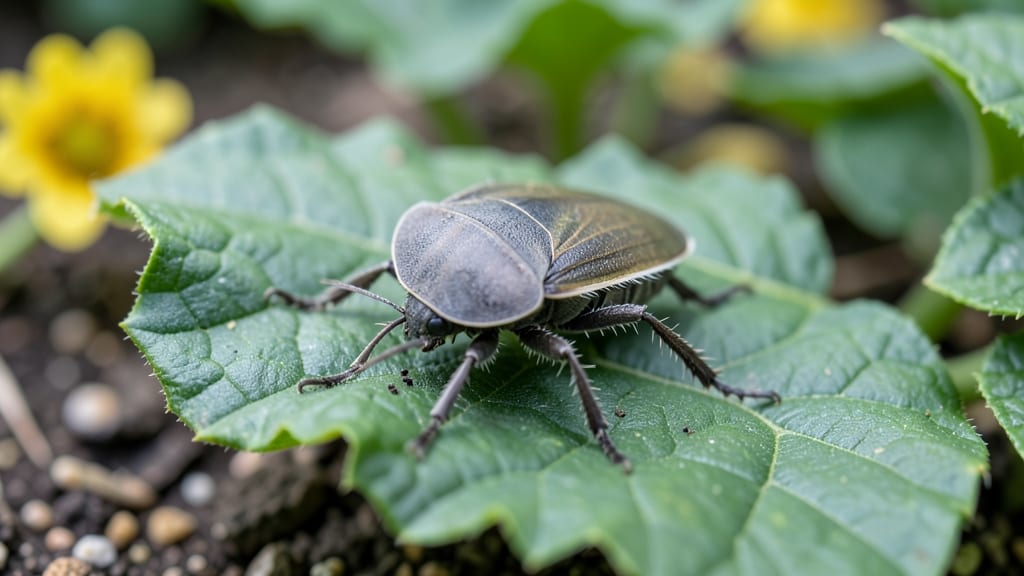
How to get rid of squash bugs in the garden—those shield-backed pests are the silent ruiners of summer harvests. 🌿 I’ve lost entire pumpkin patches to these sneaky invaders, but I finally cracked the code: boiling water barriers that smother eggs and nymphs before they destroy your vines. The secret weapon? A simple, foolproof technique that combines early monitoring with a 5-minute treatment. You’ll spot the first signs—yellowing leaves, black droppings—then target clusters of eggs under leaves with near-boiling water. It’s brutal for bugs but harmless to your plants once you master the timing. By mid-season, your squash and cucumbers will thrive without the telltale skeletonized leaves. The key is consistency: check plants weekly, especially after rain, and repeat treatments until no more eggs appear. No more helplessly watching your harvest disappear. Works for organic gardens too—just skip chemical sprays. Here’s how to set up the barrier and keep your plants protected all season long.
Root Causes of Squash Bug Infestations
Squash bugs aren’t just random visitors—they’re drawn to your garden for specific reasons, often tied to environmental cues, plant health, and even human habits. Understanding these triggers is the first step to preventing an outbreak.
Let’s break down the science behind why these pests show up in your garden and how they thrive there.
Squash bugs, scientifically known as Anasa tristis, are attracted to stressed or decaying plant matter.
Their antennae detect volatile organic compounds (VOCs) released by plants under duress, such as those suffering from: - Overwatering or poor drainage (leading to root rot). - Nutrient deficiencies (yellowing leaves signal weakness). - Fungal or bacterial infections (soft, mushy stems are a red flag).
💡 Pro Tip: Healthy plants are less appealing. Rotate crops annually and ensure proper spacing for airflow to reduce stress signals.
Squash bugs target cucurbits—a plant family that includes squash, pumpkins, cucumbers, and melons. If your garden is dominated by these crops, you’re essentially rolling out the welcome mat.
These pests: - Lay eggs in soil near host plants (preferring loose, well-drained soil). - Thrive in large, unbroken patches of the same crop, making it easier for them to find mates and food. - Survive overwintering in leaf litter or garden debris, emerging in spring when their favorite plants sprout.
🌡️ Actionable Insight: Interplant squash with marigolds, nasturtiums, or radishes to disrupt their feeding patterns. Avoid planting cucurbits in the same spot year after year.
Squash bugs are temperature-sensitive and favor:
- Warm soil (they emerge when soil temps hit 55–60°F).
- Humid conditions (high moisture levels slow down natural predators like birds and parasitic wasps).
- Shaded or dense foliage (which retains moisture and provides hiding spots).
🔥 Key Fact: They’re most active in late spring to early summer, peaking when daytime temps hover around 75–85°F. If your garden has microclimates (e.g., near compost piles or dense mulch), these pests may linger longer.
Squash bugs face few natural enemies in most home gardens.
Their survival depends on: - Fewer birds (who avoid gardens with dense foliage or lack perches). - Absent parasitic wasps (which lay eggs in squash bug eggs but need diverse garden ecosystems to thrive). - No ground beetles or spiders (often outcompeted by pesticides or tilled soil).
✨ Eco-Friendly Fix: Encourage predators by adding pollinator-friendly plants, leaving some leaf litter for beetles, and avoiding broad-spectrum insecticides that harm beneficial insects.
Sometimes, well-meaning gardening practices accidentally invite squash bugs:
- Over-mulching (traps moisture and eggs near plant bases).
- Ignoring egg masses (females lay clusters of 10–30 eggs on stems or leaves; these hatch in 7–10 days).
- Using plastic mulch (retains heat and moisture, speeding up their lifecycle).
- Skipping fall cleanup (adults hide in leaf debris to overwinter).
🔪 Hard Truth: A single female can produce 50–100 eggs in her lifetime. If left unchecked, a few adults can become a full-blown infestation by summer.
Some areas are hotspots for squash bugs due to:
- Mild winters (pests survive longer in regions like the Southeast or Midwest).
- Heavy rainfall (washes away natural predators but keeps soil moist for egg development).
- Urban heat islands (cities with concrete and pavement create microclimates that extend their active season).
📊 Data Point: Squash bugs are most problematic in USDA Hardiness Zones 5–9, where cucurbit crops are commonly grown.
Understanding these causes isn’t just academic—it’s your game plan. By addressing plant stress, monoculture, moisture, and predator loss, you can make your garden a less hospitable place for squash bugs. The next step? Disrupting their lifecycle (which is where that boiling water barrier comes in!).
Beat Back Squash Bugs Naturally
Squash bugs are relentless, but with the right strategies, you can reclaim your garden without harsh chemicals. The key is to tackle them at every life stage—eggs, nymphs, and adults—while reinforcing prevention to keep them from returning.
Below, we map out practical fixes for common causes and long-term solutions to squash (pun intended) these pests for good.
Cause: Squash bugs thrive in dense, stressed plants where they hide and feed undetected. Solution:
- 🍃 Prune aggressively – Thin out vines and leaves to improve airflow and visibility. Focus on the undersides of leaves (their favorite hiding spot).
- 🌿 Space plants properly – Give squash, pumpkins, and cucumbers 3–4 feet of space between plants to reduce shelter for bugs.
- 💡 Pro Tip: Train vines to grow vertically on trellises—this lifts them away from ground-dwelling pests.
Cause: Eggs laid in clusters on stems and leaves hatch into nymphs, which quickly multiply. Solution:
- 🍳 Boiling water barrier (best for eggs) – Pour boiling water directly onto egg masses (they’re tan, football-shaped, and found on stems). This instantly smothers them without harming plants.
- When to do it: Late summer to early fall (peak egg-laying season).
- Safety first: Wear gloves and protect nearby plants with a shield.
- 👨🍳 Handpick nymphs – Use a damp paper towel to gently scrape them off leaves and drop them into soapy water.
- ⏰ Timing matters: Check plants weekly—nymphs are most vulnerable in their early stages.
Cause: Adult squash bugs (1/2-inch long, grayish-brown) lay eggs and suck plant sap, weakening vines. Solution:
- 🔪 Drop trap buckets – Place buckets filled with soapy water near infested plants. Adults fall in when shaken off vines.
- 🕷️ Use sticky traps – Yellow sticky traps attract and capture flying adults. Place them above plant canopies for best results.
- 🌡️ Heat treatment – On sunny days, cover plants with clear plastic wrap for 1–2 hours. The trapped heat stuns or kills hiding bugs.
Cause: Squash bugs return yearly if conditions remain ideal (warm soil, host plants nearby). Solution:
- 🌿 Rotate crops – Avoid planting squash, pumpkins, or cucumbers in the same spot for 3+ years.
- 💥 Mulch with straw or grass clippings – A 2–3 inch layer disrupts egg-laying sites and deters adults.
- 🎯 Plant repellent companions –
- Nasturtiums (trap crop—bugs prefer these over squash).
- Marigolds (deter pests with their scent).
- Radishes (interrupt squash bug life cycles).
- 🌱 Start with healthy transplants – Buy container-grown squash plants (not seedlings from the ground), as they’re less likely to harbor eggs.
If squash bugs persist despite these methods, consider organic insecticides as a last resort:
- Neem oil (disrupts feeding and reproduction—spray early morning/evening).
- Kaolin clay (creates a protective barrier; reapply after rain).
- Beneficial nematodes (Heterorhabditis bacteriophora) – Water into soil to target eggs and nymphs (best in warm, moist conditions).
💡 Final Prevention
Frequently asked questions about squash bug control
How do I identify squash bug eggs?
Look for tan, football-shaped clusters (about 1/8-inch long) on the undersides of leaves or stems. These egg masses are usually laid in groups of 10–30 and appear 7–10 days before hatching. Check weekly during warm months—early detection is key!
Is boiling water safe for my squash plants?
Yes, when applied correctly! Pour boiling water directly onto egg masses or clusters of nymphs—avoid healthy foliage. The heat kills pests instantly without harming mature plants. For extra safety, shield nearby leaves with a cardboard barrier during treatment.
What’s the best time of day to treat squash bugs?
Early morning or late afternoon works best. Avoid midday heat when plants are stressed. Boiling water treatments should be done when bugs are sluggish (cool temps), and neem oil sprays need calm conditions to adhere properly. Always check for pests first!
Will squash bugs return next year if I eliminate them now?
Possibly! Adults overwinter in leaf litter or garden debris, so clean up thoroughly in fall. Practice crop rotation (avoid planting cucurbits in the same spot for 3+ years) and use straw mulch to deter egg-laying. Prevention is key—don’t assume one season’s success guarantees next year’s!
Are there any natural predators that help control squash bugs?
Yes! Parasitic wasps (like Telenomus podisi) lay eggs in squash bug eggs, and ground beetles eat nymphs. Encourage these helpers by avoiding pesticides, leaving some leaf litter, and planting pollinator-friendly flowers nearby. A balanced garden ecosystem is your best defense!