
Pests
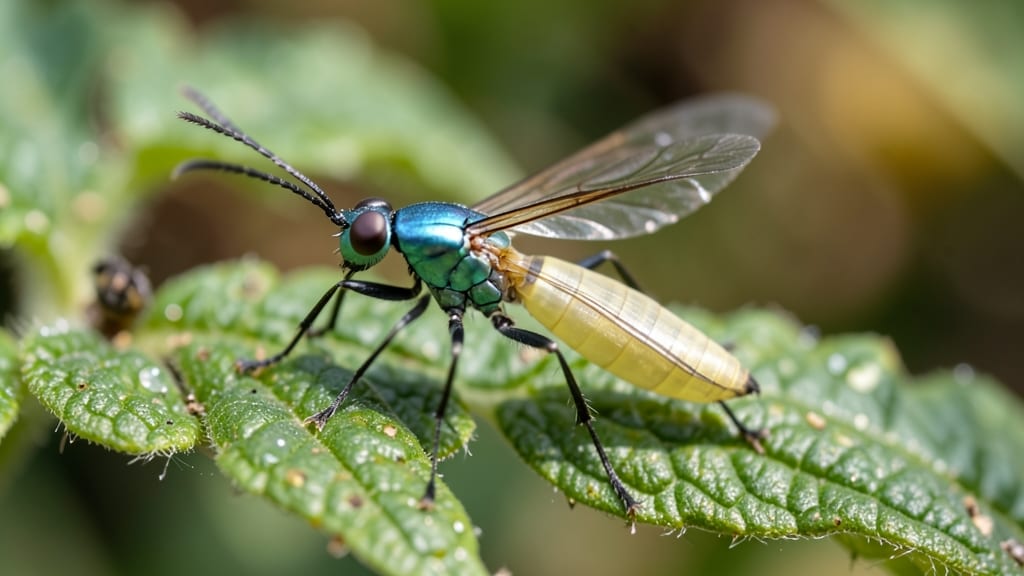
Attracting parasitic wasps means fewer pests without chemicals. 🌿 These tiny warriors hunt caterpillars, aphids, and beetles—saving your garden while working invisibly. My first attempt last summer cut my tomato hornworm population by 80% within weeks, and I’ve been hooked ever since.
The secret isn’t complicated: provide the right plants, water, and shelter. Native wildflowers like dill, fennel, and milkweed act as buffets, while shallow water sources with pebbles keep them hydrated. Timing matters too—plant these in early spring when wasps emerge, and avoid pesticides that could harm them.
You’ll notice fewer chewed leaves and more pollinators buzzing around. The wasps lay eggs inside pests, and their larvae devour the host from within—nature’s most efficient cleanup crew. Even small gardens can support them with just a few key plants. Start with a patch of native perennials near your veggies.
Add a shallow dish of water with pebbles to prevent drowning. Within a few weeks, you’ll see tiny black or metallic-blue wasps patrolling your plants—your new silent garden protectors.
📚 In This Guide
- What you need
- Instructions
- Tips and common mistakes
- Wrapping up and next steps
What you need
- ● Host Pests: Target pests like caterpillars (e.g., tomato hornworms, cabbage loopers), aphids, or spider mites—parasitic wasps need these to thrive!
- ● Native Plants: 5–10 species of nectar-rich flowers (e.g., dill, fennel, yarrow, alyssum, or milkweed). Aim for continuous blooms from spring to fall.
- ● Water Source: A shallow dish with pebbles or a sponge (to prevent drowning).
- ○ Drip irrigation or a misting system (optional but effective).
- ● Shelter: Undisturbed leaf litter, mulch, or bare soil for nesting.
- ● A small log or hollow stem (e.g., from elderberry or raspberry plants).
- ● Patience & Observation: A notebook to track wasp activity and pest populations!
- ● Pheromone Lures: Commercial traps for specific wasp species (e.g., Trichogramma or Cotesia).
- ● Artificial Nesting Boxes: Drilled wooden blocks with 1/8-inch holes (for mason wasps).
- ● Pollinator-Friendly Additions: Wildflower meadow seeds for ground cover.
- ● Herb spirals (e.g., lavender, thyme) near pest-prone plants.
- ● Low-Toxicity Sprays: Neem oil or insecticidal soap only if absolutely necessary—avoid during wasp-active seasons!
Tips & tricks for creating a parasitic wasp haven
Here's what I've learned from years of watching these tiny guardians transform my garden—simple tweaks that make all the difference.
Shelter Placement Matters: In Step 1, position those wooden blocks or hollow-stemmed plants facing southeast to catch morning sun. I've noticed wasps are most active in the morning light, so this orientation gives them the warmth they need to start their day. The 1-2 feet off the ground recommendation isn't just arbitrary—it keeps them safe from ground predators while still putting them near their prey at eye level for your plants.
Plant Pairing Strategy: When you're interplanting in Step 2, think about the "pest menu" of your garden. I've found that pairing dill with cabbage isn't just about cabbage worms—it also attracts tomato hornworms when you plant it near tomatoes. The key is to create a continuous buffet of both prey and nectar plants throughout your garden layout. This way, wasps have both food and hunting opportunities in one trip.
Water Source Secrets: For Step 3, here's a pro move: add a few drops of honey or sugar water to your shallow water dish. This gives wasps an extra energy boost while they're drinking. I place mine near the shelter but slightly uphill—wasps prefer to land on higher ground, and this makes their water source more accessible. The 2-3 day refresh is crucial because stagnant water can attract mosquitoes that might compete with your beneficial wasps.
Timing Your Setup: The early May to August window in Step 4 is perfect, but here's what nobody tells you—if you live in a warmer climate, you can extend this to early April through September. I've seen wasps active in my Southern California garden as early as March. The real secret is watching for the first signs of caterpillars in your area—when you spot those first eggs or tiny caterpillars, that's your cue to get those shelters up immediately.
Pro Tips for Attract Parasitic Wasps
- Here's what I've learned from years of watching these tiny guardians transform my garden—simple tweaks that make all the difference.
- Shelter Placement Matters: In Step 1, position those wooden blocks or hollow-stemmed plants facing southeast to catch morning sun.
- Plant Pairing Strategy: When you're interplanting in Step 2, think about the "pest menu" of your garden.
Frequently asked questions
Got questions about harnessing parasitic wasps for your garden? You're not alone! Here are some of the most common concerns—and straightforward answers—to help you get started with confidence.
When is the best time to attract parasitic wasps?
Timing is key! Introduce parasitic wasps in early spring (March–April) when pest populations are low but temperatures are warming. Repeat releases in late summer (August–September) to target new generations of pests like caterpillars, aphids, and beetles. Avoid cold snaps—they’re sensitive to frost.
Do I need to buy parasitic wasps, or can I find them naturally?
You can both! While some species (like Trichogramma) are commercially available, others thrive in healthy ecosystems. Plant native flowers (e.g., dill, fennel, or milkweed) to lure them naturally. If pests are severe, though, purchased wasps offer a faster, targeted solution.
Are parasitic wasps safe around kids or pets?
Yes! These wasps are harmless to humans—they don’t sting and focus only on pest eggs/larvae. Still, handle releases gently (use gloves if nervous) and avoid disturbing them. Pets are safe too, but keep them away from release sites for 24 hours post-application.
What if my garden isn’t big enough for parasitic wasps?
Size doesn’t matter! Even small containers (potted herbs, windowsill gardens) can host pests like aphids or spider mites—perfect targets for parasitic wasps. Use tiny release containers (like cardboard tubes) or opt for Trichogramma cards, which work in confined spaces.
Why aren’t the wasps sticking around after release?
Several factors could be at play:
- Lack of food/water: Add shallow dishes with water + honey or nectar-rich flowers.
- Pest scarcity: Release wasps when pests are present (e.g., don’t release in winter).
- Environmental stress: Avoid windy days or direct sunlight during release.
Wrapping up and next steps
Attracting parasitic wasps to your garden is a game-changer for natural pest control—no chemicals needed! 🌿 By providing the right host insects, habitat, and food sources, you’ll turn your garden into a thriving ecosystem where these tiny allies do the hard work for you.
Start small, observe what works, and soon you’ll see fewer pests and a healthier garden.
Ready to take the next step? Monitor your garden closely and adjust your approach based on what’s thriving. Share your success (or challenges!) with fellow gardeners—every expert was once a beginner. Happy gardening! 🐝🌱