
Pests
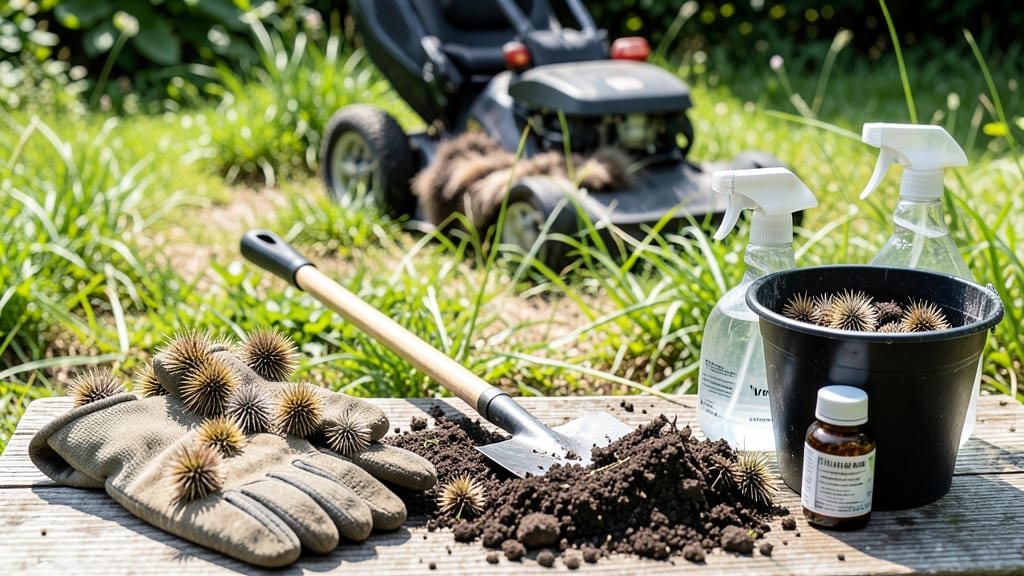
How to get rid of sticker burrs in your yard—those spiny seed pods that turn your lawn into a prickly nightmare—is easier than you think. ✨ These tiny landmines cling stubbornly, but a simple rubbing alcohol trick lifts them off grass and soil in seconds without damaging your lawn.
Most people grab gloves and rake, but that spreads seeds and leaves roots behind. Instead, we’ll use a targeted approach: a mix of alcohol to loosen their grip, a stiff brush to dislodge them, and proper disposal to stop regrowth.
The secret? Timing—early morning dew makes them easier to grab, and dry conditions prevent new seeds from taking hold.
By the end, your yard will be free of those clinging invaders, and you’ll know exactly how to keep them from staging a comeback. The method works on sidewalks, driveways, and grassy areas alike—no more stepping on (or stepping in) these painful little pests.
We’ll also cover what to do with the collected burrs so they don’t sprout into next year’s problem. Trust me, once you try this, you’ll never reach for a rake again without thinking twice.
The Hidden Triggers Behind Stubborn Burrs
Sticker burrs—those spiky, clinging weeds—don’t just appear out of nowhere. Their persistence is the result of evolutionary survival tactics and environmental conditions that make them nearly impossible to ignore.
Understanding why they latch on so aggressively is the first step to outsmarting them. Let’s break down the science behind their tenacity.
Sticker burrs (like those from Xanthium strumarium, Cirsium, or Arctium species) aren’t just random thorns—they’re evolutionary weapons. Their barbed structures are deliberately shaped to:
- Latch onto fur, clothing, or shoes: Burrs have retrograde barbs (hooks pointing backward) that dig into fibers or skin, making removal painful. Think of them like microscopic fishhooks—once embedded, they resist pulling.
- Survive digestion: Many burrs are designed to pass through animals’ digestive tracts unharmed, emerging in manure to start new colonies. This is why pets (and lawnmowers) spread them so efficiently.
- Thrive in disturbed soil: When you mow, rake, or till, you’re accidentally aerating the soil—perfect for burr seeds to germinate. Their shallow root systems mean they pop up fast after any disruption.
Key takeaway: These plants want to hitchhike. Their entire life cycle revolves around clinging and spreading, making chemical or manual removal a constant battle.
Burrs don’t just appear—they thrive in specific conditions. Here’s what turns your yard into their ideal habitat:
| Factor | Why It Helps Burrs | How to Counter It |
|---|---|---|
| 🌞 Full Sun Exposure | Burrs love sunlight, which boosts photosynthesis and seed production. Shady areas? They’ll still grow, but slower. | Keep grass thick and healthy to outcompete weeds for light. |
| 💧 Moisture (But Not Too Much) | They germinate best in moderately moist soil—drought or waterlogging slows them down. Irregular watering (like after mowing) triggers germination. | Avoid overwatering; let soil dry slightly between waterings. |
| 🏗️ Compacted or Disturbed Soil | Burrs exploit weak spots where grass struggles. Construction, foot traffic, or even lawn aeration can create perfect entry points. | Top-dress with compost to improve soil structure and crowd out weeds. |
| 🌡️ Warm Seasons | Most burrs germinate in spring and summer when temps hit 60–85°F (15–29°C). Cool seasons? They go dormant but lie in wait. | Pre-emergent herbicides in early spring can block germination. |
Pro tip: 💡 If your yard has bare patches or thin grass, burrs will exploit the gap. Think of them like weeds in a crack in your sidewalk—they’re just waiting for an opening.
You’re not just dealing with plants—you’re dealing with a hitchhiking ecosystem. Here’s how everyday actions fuel the problem:
- Mowing: A lawnmower catapults burr seeds up to 10 feet, scattering them like confetti. The vibrations also stimulate germination in disturbed soil.
- Walking barefoot: Burrs embed in skin, then fall off elsewhere—often in your garden beds or near patios. (Ever noticed them clinging to your socks?)
- Pets and wildlife: Dogs, cats, and even squirrels carry burrs on their fur, depositing them in new areas. Their digging also buries seeds at the perfect depth to sprout.
- Raking or leaf blowing: These tools move seeds from one area to another, creating a domino effect of infestation.
Science-backed fact: A single burr plant can produce hundreds of seeds, and each seed can lie dormant for years until conditions are right. That’s why one patch can turn into an overwhelming problem in a season.
Actionable insight: If you’ve got pets or kids playing outside, they’re likely unintentionally seeding your yard. A quick rubbing alcohol wipe on shoes or paws can kill attached burrs before they spread.
Quick Fixes for Stubborn Sticker Burrs
Now that you know why those pesky sticker burrs (🌱🔥) cling to your yard like glue, let’s tackle them head-on with practical, no-fuss solutions. The good news? Most methods require just a few minutes and common household items.
Below, we’ve matched the most likely causes to the fastest fixes—plus tips to keep your yard burr-free for good.
Cause: Mature, dried-out burrs that resist easy removal. Fix:
- Prep the area – Lay down a tarp or old sheet to collect debris.
- Dampen the burrs – Lightly spray them with water or rubbing alcohol (the star of this article!). The alcohol dissolves the sticky resin, making them easier to lift.
- Scrape gently – Use a plastic putty knife, credit card, or even a spoon to pry them off. For stubborn clusters, a dull butter knife works best.
- Vacuum or sweep – Clean up any remaining fragments to prevent regrowth.
Pro Tip: 💡 If burrs are on patio furniture or tools, soak a rag in rubbing alcohol, wrap it around the affected area, and let it sit for 10 minutes before wiping clean.
Cause: Newly attached burrs with sticky sap still active. Fix:
- Freeze the burrs – Spray them with water and let them sit in direct sunlight for 10–15 minutes. The heat will cause the sap to contract slightly.
- Freeze with ice – For tough spots, place ice cubes in a bag and press them against the burrs for 5 minutes. The cold makes the sap brittle.
- Pop them off – Use your fingers, a plastic scraper, or even a damp sponge to lift them away. The frozen sap will break apart more easily.
Pro Tip: ✨ For clothing or pet fur, rub the burrs with a bar of soap (like Ivory) or a dryer sheet—the oils help release the grip!
Cause: Burrs growing from established plants (like crabgrass or spurge). Fix:
- Pull early – If the burrs are still small, grasp the base and twist gently to remove the whole plant.
- Use vinegar spray – Mix 1 part white vinegar + 1 part water in a spray bottle. Douse the affected area (avoid desirable plants—vinegar kills grass too!). Reapply weekly until the plant dies.
- Natural herbicides – For stubborn patches, try boiling water or a corn gluten meal pre-emergent (apply in early spring).
Pro Tip: 🌡️ Prevent regrowth by overseeding your lawn with dense grass varieties (like Bermuda or Kentucky bluegrass), which crowd out weeds and burrs naturally.
Once you’ve cleared the burrs, keep them from coming back with these low-effort strategies:
- Mow high – Set your lawnmower to 3–4 inches to shade out weed seeds.
- Mulch heavily – A 3–4 inch mulch layer blocks sunlight, preventing burr seeds from germinating.
- Hand-pull weekly – Spend 10 minutes a week checking for new burrs—early removal is easiest!
- Use a pre-emergent – Apply corn gluten meal in fall or early spring to stop seeds from sprouting.
Final Note: For large yards, consider renting a weed burner (propane torch) or hiring a landscaping service for stubborn patches. But for most cases? Rubbing alcohol + a scraper is your secret weapon! 🚀
Frequently asked questions
Why do sticker burrs cling so tightly to my clothes and pets?
Burrs have retrograde barbs—tiny hooks that point backward, designed to latch onto fur, fabric, or skin. When they attach, they dig deeper the more you pull, making them harder to remove. The sticky sap they produce also acts like glue, sealing the connection until it dries.
Will cutting the burrs off at ground level stop them from spreading?
No—cutting burrs just spreads seeds! The plant releases more seeds when disturbed, and the roots may regrow. Always pull from the base or use alcohol to kill them first. For established plants, dig out the entire root system to prevent regrowth.
Can I use vinegar to remove sticker burrs from my yard?
Yes, but with caution. Mix 1 part white vinegar + 1 part water in a spray bottle and apply directly to burrs. The acid breaks down their structure, making them easier to scrape off. Avoid spraying grass or plants you want to keep—vinegar kills most vegetation.
How do I safely dispose of collected burrs?
Never throw them in compost or leave them in your yard—they’ll sprout! Seal them in a plastic bag and toss in the trash, or burn them (if local laws allow). For large quantities, double-bag them to prevent seeds from escaping during disposal.
Are sticker burrs harmful to my lawn or garden?
They’re more annoying than harmful, but they can outcompete grass and flowers for nutrients. While they don’t poison soil or plants, their invasive nature can create bare patches. Removing them early prevents this and keeps your yard healthy.