
How To
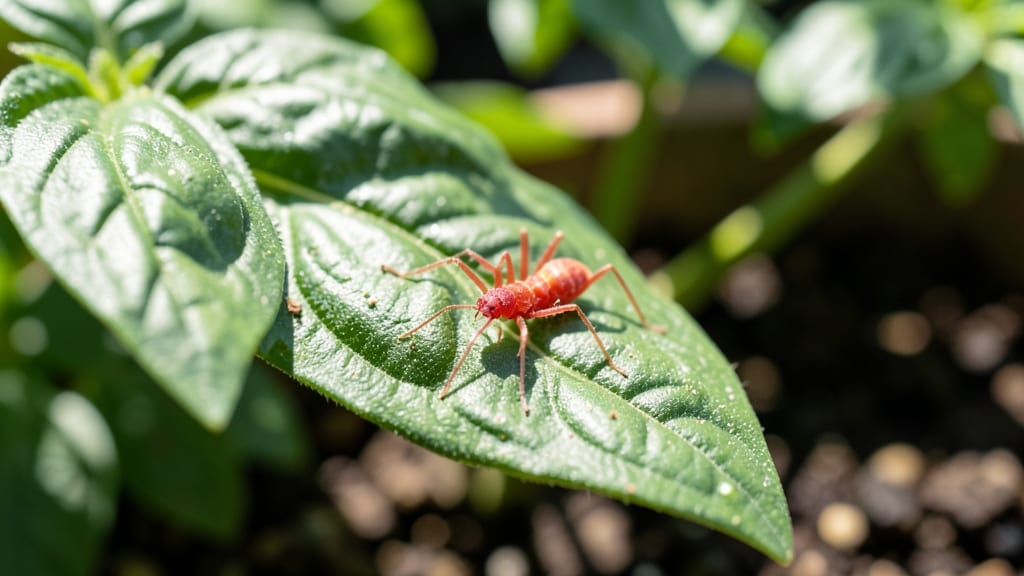
How to get rid of tiny red bugs outside—my backyard became a battleground last summer until I discovered a boiling water trick that wipes out nests in seconds. 🌿 These tiny invaders (likely chiggers or fire ants) thrive in warm, dry soil, but their weak spot is their underground colonies. One targeted pour of boiling water smothers them instantly, without harsh chemicals creeping into your garden soil.
The secret is precision: aim for where you see them scurrying or where their mounds appear. A 1-gallon kettle of boiling water poured directly onto nests kills adults and larvae in minutes. For larger areas, repeat every 3-4 feet—they don’t spread far when their homes are destroyed.
The best part? Your plants stay unharmed, and the method works on grass, mulch, or bare soil.
You’ll notice fewer bugs within 24 hours, and new nests stop forming if you maintain the treatment. The steam also sanitizes the area, reducing future infestations. No more itchy bites or ruined outdoor time—just a quick, chemical-free solution that actually works.
For stubborn cases, follow up with diatomaceous earth around plant bases or a soapy water spray (1 tbsp dish soap per gallon) to deter stragglers. Always wear gloves and work on dry days—these bugs hate moisture, and neither do you when they’re gone for good.
Root Causes Of Tiny Red Invaders
Those pesky tiny red bugs—often harlequin bugs, fire ants, or chiggers—don’t just appear out of nowhere. Their presence is usually a mix of environmental factors, seasonal triggers, and even human activity.
Understanding why they show up is the first step to stopping them in their tracks. Let’s break down the science behind their uninvited visits.
Tiny red bugs thrive in dense, unkempt vegetation because it provides shelter, moisture, and food sources. Here’s how your yard might be accidentally inviting them:
- Leaf litter & mulch piles: Decaying organic matter traps moisture, creating ideal breeding grounds for bugs like chiggers (larval mites) and fire ants. A thick layer of leaves or mulch acts like a cozy blanket for their nests.
- Untrimmed grass and weeds: Tall grass and weeds block sunlight, keeping soil damp longer. This attracts moisture-loving pests like harlequin bugs, which lay eggs in moist, shaded areas.
- Woodpiles or debris: Stacked firewood, old branches, or discarded cardboard offer dark, sheltered spaces for bugs to nest. Some, like clover mites, even hitchhike into homes on firewood.
Pro Tip: 💡 Regularly clear leaf litter, trim grass to 3 inches or shorter, and store firewood at least 20 feet away from your home. This disrupts their habitat and makes your property less appealing.
Many tiny red bugs are attracted to specific plants because they feed on sap, leaves, or roots. If your garden resembles an all-you-can-eat restaurant for pests, they’ll keep coming back. Here’s what’s on the menu:
| Bug Type | Favorite Foods | Why They Stick Around |
|---|---|---|
| Harlequin bugs | Cruciferous veggies (broccoli, kale, cabbage), beans, peas | They inject toxins into plants, causing wilting and yellowing—then lay eggs in the damaged tissue. |
| Fire ants | Sweet fruits, seeds, other insects, pet food | They farm aphids and other pests for honeydew, creating a self-sustaining colony near food sources. |
| Chiggers | Grasses, weeds, leaf mold (they don’t eat plants—they feed on other tiny creatures) | They wait in tall grass for mammals (including humans) to brush against them, then latch on. |
Actionable Fix: 🌱 If you’re growing their favorite snacks, consider planting bug-repellent alternatives like marigolds, basil, or mint near vulnerable crops. Harlequin bugs hate strong-smelling herbs like thyme and oregano.
Sometimes, the bugs aren’t even coming from your yard—they’re hitchhiking on items or tools you bring inside. Here’s how:
- Firewood: Clover mites and booklice often hide in stacked wood, then scatter when logs are moved indoors.
- Secondhand items: Bugs like bed bugs (though not always red) or booklice can attach to furniture, clothes, or cardboard boxes.
- Potted plants: Soil from nursery-bought plants may contain fungus gnats or root aphids, which multiply quickly in indoor conditions.
- Landscaping materials: Mulch, straw, or even topsoil can harbor fire ant mounds or chigger eggs.
Prevention Tip: ✨ Before bringing anything new into your home or yard, inspect it thoroughly—especially in crevices, folds, or under layers. Store firewood outside and use certified bug-free potting soil.
Tiny red bugs are highly sensitive to temperature, humidity, and rainfall. Their life cycles speed up or slow down based on these factors, leading to sudden infestations. Here’s how weather plays a role:
- Warm, humid springs: Ideal for fire ants and chiggers to emerge from winter dormancy. Eggs hatch faster in moist soil.
- Drought followed by rain: Harlequin bugs thrive when plants are stressed (like after a dry spell), then multiply when sudden rain revives their food sources.
- Hot, dry summers: Some bugs, like clover mites, seek out cooler, shaded spots near foundations or under patios.
- Flooding or heavy dew: Creates temporary waterlogged zones where mosquito larvae (or their predators, like predatory red mites) breed.
Climate Hack: 🌡️ Use a weather-based pest calendar to predict outbreaks. For example, if your area has consistent morning dew, check for chiggers in grassy areas after rain.
Now that you know why these tiny red troublemakers show up, the next step is cutting off their access—starting with a boiling water barrier that smothers their nests instantly. Stay tuned!
How to solve it
Discovering tiny red bugs—whether they’re chiggers, fire ants, or springtails—can turn your outdoor space into a battleground. But don’t panic! With the right approach, you can smother, trap, or repel them fast.
Below, we’ve matched the most common causes to practical solutions, so you can reclaim your yard, patio, or garden without harsh chemicals.
If you’ve spotted mounds or swarms of tiny red bugs near your home, a boiling water barrier is a fast, chemical-free way to destroy nests instantly. Here’s how:
- 🔥 Boil 1–2 gallons of water in a large pot or kettle (safety first—use gloves and goggles!).
- 👨🍳 Pour it directly onto mounds (fire ants) or areas where bugs gather (chiggers love tall grass). Aim for the center of the nest to ensure deep penetration.
- ⏰ Repeat weekly for 2–3 weeks to break their life cycle. Early mornings work best—they’re sluggish and easier to target.
✨ Pro Tip: Add a dish soap drop to the water—it lowers surface tension, helping the liquid seep deeper into the soil and kill hidden eggs.
For springtails, spider mites, or crawling red bugs in mulch, flower beds, or under decks, food-grade diatomaceous earth (DE) is a non-toxic powder that dehydrates insects in hours. Follow these steps:
- 🌡️ Choose a dry day—DE works best when bugs aren’t damp.
- 🎯 Sprinkle a thin layer (about 1/8 inch) around entry points, under patio furniture, or along garden edges. Avoid over-applying—it can clump and lose effectiveness.
- 💨 Reapply after rain or every 2–3 weeks, as moisture washes it away.
💡 Safety Note: Wear a dust mask when applying—DE can irritate lungs if inhaled.
If bugs are crawling on plants, sidewalks, or patio furniture, a homemade spray can disrupt their scent trails and deter them. Mix:
- 1 quart hot water
- 2 tbsp dish soap (or castile soap)
- 20 drops citrus oil (lemon, orange, or lime)—bugs hate the smell!
- Optional: 1 tsp vinegar for extra repellent power
Shake well, spray directly on bugs or affected areas, and reapply every 3–4 days until they disappear. Test on plants first—citrus oil can harm some foliage.
If you’re dealing with aggressive red ants (like fire ants or carpenter ants), traps can lure them away from your home. Try these:
| Trap Type | How to Use |
|---|---|
| Protein Bait (e.g., tuna, peanut butter) | Mix 1 part bait + 1 part borax (or sugar for carpenter ants), place in shallow containers near mounds. Ants carry it back to the nest. |
| Water Traps (for winged ants) | Fill a bucket with soapy water and a bright light at night—winged ants (reproductives) will drown trying to escape. |
| Cardboard Roll Traps | Roll up damp cardboard, secure with tape, and place near ant trails. Ants enter but can’t escape—dispose of it daily. |
⏰ Timing Matters: Set traps in the early evening when ants are most active.
The best defense? Break their cycle so they don’t come back. Use these long-term strategies:
- 🌡️ Keep your yard dry—red bugs (like fire ants) thrive in moist soil. Improve drainage and avoid overwatering.
- 🍃 Trim grass and bushes—tall grass and leaf litter create hiding spots for chiggers and springtails.
- 🪴 Use mulch alternatives—wood chips attract springtails; try gravel or rubber mulch instead.
- 🔄 Inspect firewood and plants—red bugs often hitchhike. Store firewood away from your home and check new plants before bringing them inside.
- 🌟 Plant bug-repelling flora—marigolds, basil, lavender, and mint naturally deter many red pests.
🎯 Final Tip: If bugs persist, seal cracks in your home’s foundation, windows, and doors—even tiny gaps are an open invitation!
Frequently asked questions
Are those tiny red bugs dangerous to pets or kids?
Most tiny red bugs like chiggers or springtails aren't harmful, but fire ants can deliver painful stings. Keep pets away from treatment areas for 24 hours after using boiling water or diatomaceous earth. Chiggers may cause itchy bites on kids—have them wear long sleeves and check for bites after outdoor play.
Will boiling water harm my grass or plants?
No, boiling water is safe for established grass and most plants when used correctly. Aim precisely at bug nests—not healthy foliage. For delicate plants, use the soapy water spray instead. The heat targets underground nests without scorching above-ground growth.
How do I know if I'm dealing with fire ants vs. chiggers?
Fire ants build visible volcano-shaped mounds (1-2 feet tall) while chiggers hide in grass and leaf litter. Fire ants are aggressive and swarm when disturbed; chiggers are too small to see without magnification. Check for tiny red bites in a straight line (chiggers) or painful stings (fire ants).
Can I use vinegar instead of boiling water for nests?
Vinegar won't kill nests effectively—it's better for repelling crawling bugs. For established colonies, stick with boiling water or diatomaceous earth. Mix 1 part vinegar to 3 parts water with dish soap to spray on visible bugs, but it won't penetrate underground nests like boiling water does.
How long until I see results from these treatments?
You should notice fewer bugs within 24-48 hours, but complete elimination takes 2-3 weeks of consistent treatment. The boiling water method works fastest—look for reduced mound activity after the first application. For chiggers, expect bites to decrease within a week of maintaining dry conditions.