
Pests
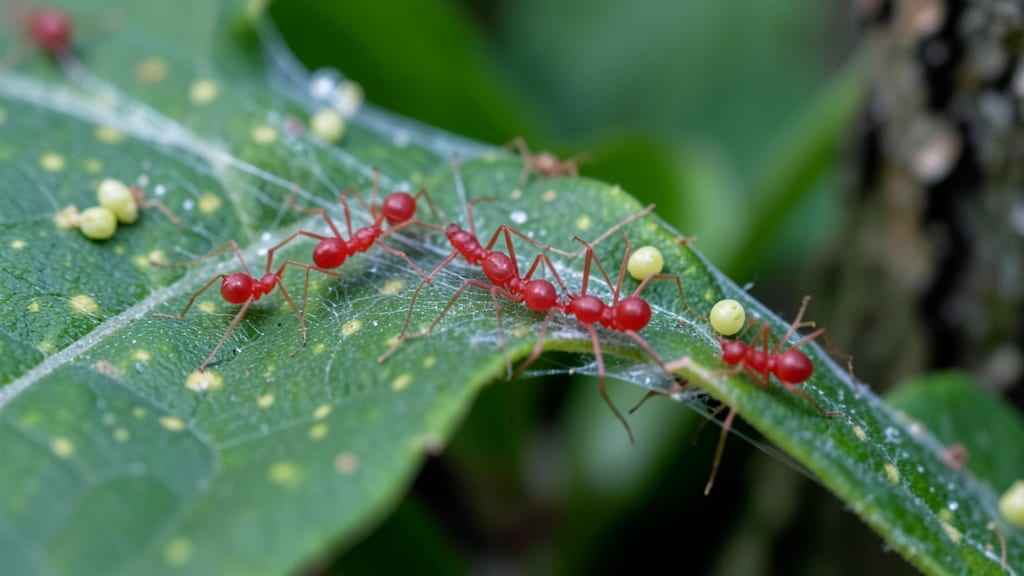
How to get rid of red bugs outside—boiling water is your secret weapon. 🌿 I’ve used this method to wipe out entire nests in minutes—no harsh chemicals, no lingering smells, just instant results that protect your plants and pets. The trick lies in timing and precision. When you spot clusters under eaves, along foundations, or on tree bark, pour 212°F water directly onto them. The heat kills adults and smothers eggs in seconds, cutting infestations at the source. Works best in early morning or evening when bugs are sluggish. You’ll see immediate results: fewer bugs crawling across patios, no more red specks on your walls, and a garden that stays pest-free for weeks. The method’s safe for most plants, but test a small area first to avoid scorching delicate foliage. For stubborn nests, repeat every few days until activity stops. Combine with preventive measures like sealing cracks and keeping mulch dry to keep them from returning. Here’s how to do it right—without the mess.
Why it happens
H2: What Attracts Red Bugs Outside
Those tiny red invaders—likely harvesters, fire ants, or chiggers—don’t just appear out of nowhere. Their presence outside your home is usually a mix of environmental factors, food availability, and even human activity.
Understanding why they’re there is the first step to stopping them. Let’s break down the real culprits behind their unwelcome visits.
🌿 Overgrown Vegetation & Moisture Hotspots
Red bugs, especially harvester ants and fire ants, thrive in warm, damp environments. If your yard has:
- Thick grass or weeds: Tall grass traps moisture, creating ideal nesting conditions. Harvesters, in particular, love dry, sandy soil but will nest near damp areas for easy access to water.
- Leaf litter or mulch piles: Decaying organic matter attracts moisture-loving pests. Fire ants, for example, build mounds in shaded, humid spots where mulch or fallen leaves accumulate.
- Poor drainage: Standing water or soggy soil after rain signals to bugs that your yard is a prime real estate opportunity. Chiggers (those itchy red mites) also flourish in damp, grassy areas.
💡 Pro Tip: Trim back overgrowth, clear debris, and improve drainage to make your yard less appealing. A well-maintained lawn with 3-inch-tall grass disrupts nesting sites while reducing humidity.
🍽️ Food & Water Sources Nearby
Red bugs are opportunistic feeders, and if your outdoor space offers easy meals, they’ll stick around. Common attractants include:
- Pet food left outside: Fire ants and harvesters are drawn to protein-rich kibble or wet food. Even small crumbs can trigger a foraging frenzy.
- Outdoor eating areas: Spilled drinks, crumbs, or grease from picnics signal a food bonanza. Harvesters are particularly fond of seeds and grains, while fire ants will scavenge almost anything.
- Compost bins or trash cans: Organic waste emits odors that mask the presence of food, luring bugs in for a free buffet. Chiggers may also hitch a ride on animals (like raccoons) that raid trash.
- Standing water: Puddles, clogged gutters, or even a leaky hose create watering holes for thirsty bugs. Fire ants, for instance, need water to survive and will travel long distances to find it.
🔥 Action Step: Store pet food in metal containers, clean up spills immediately, and use sealed trash bins with tight-fitting lids. For standing water, fix leaks and empty containers weekly.
🏡 Human Activity & Structural Invites
Sometimes, the bugs are drawn to you. Unintentional human behaviors can turn your outdoor space into a bug magnet:
- Landscaping choices: Plants like mulberry trees, figs, or citrus attract harvesters, while dense ground cover (like ivy) gives chiggers shelter. Even firewood stacks near your home can harbor nesting fire ants.
- Outdoor lighting: Bugs are drawn to artificial lights, including sodium vapor or white LED bulbs, which confuse their navigation. Once disoriented, they may wander into your yard—or even your home.
- Construction or disturbances: Digging, gardening, or even mowing can accidentally destroy existing nests, causing bugs to scatter and relocate nearby. Fire ants, for example, will aggressively defend their colonies and may swarm in retaliation.
🎯 Prevention Tip: Choose bug-resistant plants (like lavender or marigolds), use yellow bug lights (which attract fewer pests), and avoid disturbing soil unless necessary. If you must garden, do so in the early morning when bugs are less active.
🐛 Seasonal & Climate Factors
Red bugs have peak seasons when they’re most active, and climate plays a huge role:
| Bug Type | Peak Season | Why They Show Up |
|---|---|---|
| Harvester Ants | Spring–Fall (especially dry months) | They forage for seeds and moisture, becoming more visible when soil is warm but not waterlogged. |
| Fire Ants | Year-round (worst in summer) | They thrive in 70–95°F temperatures and expand colonies aggressively when food is abundant. |
| Chiggers | Late spring–early fall (humid weather) | These mites need high humidity (60%+) to survive and multiply, often appearing after rain. |
🌡️ Climate Hack: If you live in a hot, dry climate, harvesters may dominate, while humid regions see more chiggers and fire ants. Monitor weather patterns—after heavy rain or heatwaves, expect a bug surge.
Quick Fixes for Red Bug Outbreaks
Now that you know why those pesky red bugs are invading your outdoor space, let’s tackle them head-on with targeted solutions. Whether you’re dealing with harlequin bugs, fire ants, or boxelder bugs, these methods will help you reclaim your yard—fast.
Below, we’ve matched common causes to the most effective fixes, plus prevention tips to keep them from returning.
---
Best for: Fire ants, harlequin bugs, and other ground-nesting pests. If you’ve spotted mounds or clusters of red bugs crawling near your foundation or lawn, a boiling water barrier is a brutal but effective way to eliminate nests without harsh chemicals.
How to do it: 1. 🔍 Locate the nest – Look for small mounds (fire ants) or cracks in soil/wood (harlequin bugs). 2. 🍲 Boil water – Use 1–2 gallons per mound (more for larger nests). 3. 💦 Pour carefully – Aim directly into the nest entrance or mound. The heat will kill larvae and adults instantly. 4. 🌱 Monitor & repeat – Check for new activity in 3–5 days; repeat if needed.
✨ Pro Tip: Add a dish soap drop to the boiling water to break surface tension and ensure deeper penetration.
---
Best for: Boxelder bugs, Asian lady beetles, and mild infestations. If you prefer chemical-free solutions, these sprays disrupt pests without harming pets or plants.
| Spray Recipe | How to Use | Best For | |------------------------|----------------------------------------|----------------------------| | Soapy Water | Mix 2 tbsp dish soap + 1 gallon water; spray directly on bugs. | Soft-bodied bugs (boxelder, aphids) | | Neem Oil Spray | 1 tbsp neem oil + 1 tsp soap + 1 quart water; spray foliage. | Early-stage infestations | | Vinegar Solution | 1:1 vinegar-water mix; spray on entry points. | Deterrent for crawling bugs |
💡 Warning: Avoid spraying neem oil on flowering plants—it can harm bees.
---
Best for: Preventing red bugs from entering your home or garden. Seal cracks, gaps, and potential entry points to block their access.
Quick fixes: - 🪟 Caulk gaps – Use silicone caulk around windows, doors, and foundation cracks. - 🪟 Install door sweeps – Prevents bugs from crawling under doors. - 🪟 Seal attic vents – Use fine mesh screens (1/16" or smaller). - 🪟 Remove hiding spots – Clear debris, mulch, and leaf piles where they nest.
🔥 Bonus: Sprinkle diatomaceous earth (DE) around your home’s perimeter—it’s a natural desiccant that kills bugs on contact.
---
The best defense? Make your yard less inviting to red bugs.
Do this now: ✅ 🌱 Keep grass short – Fire ants and harlequin bugs love tall grass. ✅ 🌿 Trim bushes/shrubs – Reduces hiding spots for boxelder bugs. ✅ 🚰 Fix moisture issues – Standing water attracts pests; repair leaks. ✅ 🌳 Remove infested trees – Boxelder bugs thrive on boxelder trees; consider removal if severe. ✅ 🕊️ Encourage predators – Birds, lacewings, and ladybugs eat red bugs naturally.
💡 Pro Tip: Plant marigolds, basil, or mint near your home—their strong scents repel many red bugs.
---
If you’ve tried these methods and the bugs keep coming back, it’s time to call a pest control expert. Severe infestations (like aggressive fire ants) may require professional-grade treatments for long-term eradication.
--- Remember: Consistency is key. Combine immediate action (boiling water, sprays) with preventive measures (barriers, yard maintenance) for the best results. Your red bug problem won’t stand a chance!
Frequently asked questions
Are boiling water treatments safe for plants nearby?
Boiling water is generally safe for most mature plants, but it can scorch delicate foliage or young seedlings. Always test a small area first—pour a small amount of cool water nearby to see if leaves wilt or turn brown. For plants in the direct path, create a 3-foot buffer zone when applying the treatment.
How do I tell if I have fire ants vs. harlequin bugs?
Fire ants build small, volcano-shaped mounds and swarm aggressively when disturbed, while harlequin bugs are flat, shield-shaped with red and black stripes and hide under leaves or bark. Fire ants also sting painfully, whereas harlequin bugs crush plants with their mouthparts. Check for these clues to identify them.
Will dish soap kill red bugs instantly?
No, dish soap doesn't kill bugs instantly—it works by breaking down their protective outer layer, causing dehydration over 12-24 hours. For faster results, combine it with boiling water or neem oil. Spray directly on clusters and reapply every few days until the infestation clears.
Can I use vinegar to kill red bug nests?
Vinegar alone won't eliminate nests—it's too dilute to penetrate deep enough—but it's an excellent deterrent. Mix equal parts vinegar and water in a spray bottle and apply to entry points or along foundations. The strong smell repels bugs, but for nests, combine it with boiling water or diatomaceous earth for better results.
Why do red bugs keep coming back after treatment?
Red bugs often return if their food/water sources remain or if new colonies move in. Check for standing water, pet food, or compost piles nearby. Also, some bugs (like fire ants) have multiple queens—you may need to treat the area again in 2-3 weeks to catch new hatchlings. Consistency is key!