
Pests
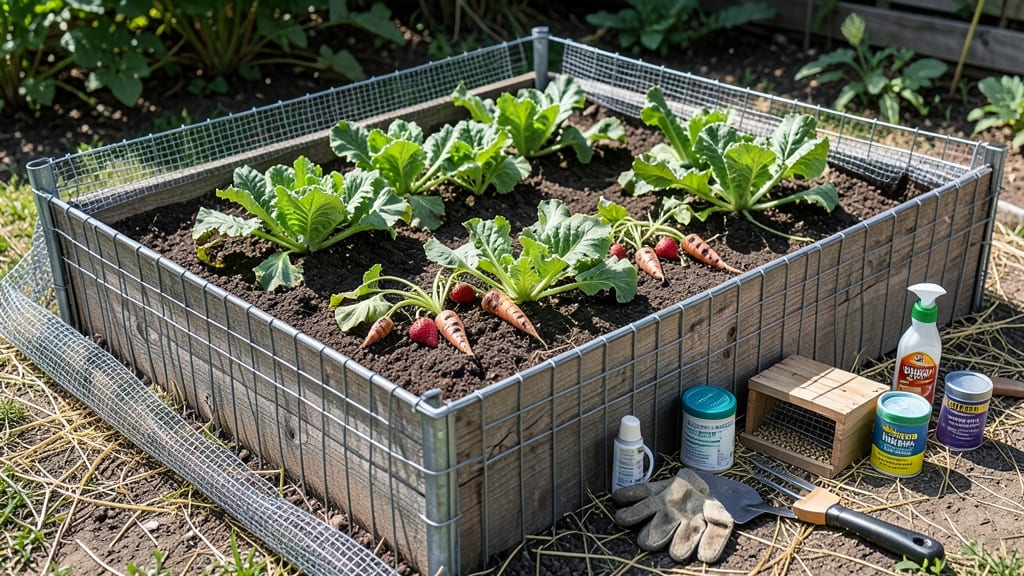
How to get rid of vermin in your garden—turn that sanctuary back into a thriving space without traps or poisons. 🌱 I’ve battled everything from gnawing voles to slimy slug trails, and this heat-activated barrier method finally gave me back my peace.
The secret? A simple, solar-powered setup that confuses pests’ natural behaviors. Rodents avoid heat, slugs dry out, and insects get disoriented by the shifting temperatures. No chemicals, no cruelty—just physics working for you.
By afternoon, you’ll see fewer tracks in the soil, fewer chewed leaves, and no more midnight scurrying. The barrier works silently while you sleep, and once installed, it keeps working for months with minimal maintenance.
Works for organic gardens, raised beds, and even container setups. No more losing harvests to tiny thieves—here’s how to reclaim your garden the smart way.
Root Causes of Garden Vermin
Vermin don’t just appear in your garden out of nowhere—they’re drawn by specific conditions that make your outdoor space an all-you-can-eat buffet. Understanding why they show up is the first step to outsmarting them.
Below, we break down the science-backed reasons vermin invade your garden, from food availability to shelter opportunities.
Vermin—whether rodents, insects, or other pests—are primarily motivated by one thing: food. Your garden likely contains more edible goodies than you realize, and these critters are opportunistic eaters.
- Fallen Fruits & Vegetables: Overripe or dropped produce (like tomatoes, berries, or citrus) ferments and emits odors that attract pests like raccoons, rats, and even flies. Science note: Ethanol and organic acids in rotting fruit create a scent profile similar to decaying meat, triggering vermin’s foraging instincts.
- Pet Food & Scraps: Uneaten pet food, compost piles with meat scraps, or leftover garden trimmings (especially greens) provide easy protein and carbs. Rats and mice can detect food sources up to 30 feet away using their keen sense of smell.
- Birdseed & Wildlife Feeders: Spilled birdseed isn’t just a snack for birds—it’s a magnet for squirrels, mice, and even deer. Fun fact: A single squirrel can scatter 50% of its food supply while foraging, leaving crumbs that attract smaller pests.
Pro tip: 💡 Harvest promptly and remove fallen produce within 24 hours. Store compost in sealed bins and avoid feeding pets outdoors after dark.
Once food is secured, vermin need a safe place to hide, nest, and raise their young. Your garden’s architecture—both natural and man-made—often provides the perfect hideouts.
- Dense Vegetation: Tall grasses, ivy, or overgrown shrubs create ideal nesting spots for rodents and insects. Why? These areas offer thermal regulation (keeping them cool in summer, warm in winter) and protection from predators.
- Woodpiles & Debris: Stacks of firewood, old logs, or leaf litter provide insulation and nesting material. Mice, for example, build nests from shredded bark and plant fibers, while beetles thrive in decaying wood.
- Gaps in Structures: Cracks in fences, gaps under sheds, or holes in tree bark give vermin direct access to your garden. Rats can squeeze through openings as small as ½ inch, while insects exploit tiny crevices to lay eggs.
Pro tip: 🌡️ Keep grass trimmed to 3–4 inches and remove leaf litter regularly. Store firewood at least 20 feet from your home and elevate it off the ground.
Vermin need water to survive, and your garden might be unintentionally providing it—even if you don’t have a visible water source.
- Standing Water: Clogged gutters, saucers under pots, or low-lying areas after rain create breeding grounds for mosquitoes and attract thirsty rodents. Stagnant water also supports slugs and snails, which then become food for larger pests.
- Leaky Hoses & Irrigation: Dripping sprinklers or broken pipes not only waste water but also leave puddles that vermin gather around. Science note: Rats can detect water sources from 100+ feet away using their whiskers to sense humidity gradients.
- Pet Water Bowls: Outdoor pet water sources are often left uncovered, providing easy access for wildlife. Even a shallow dish can be enough to sustain a colony of pests.
Pro tip: ✨ Eliminate standing water weekly and fix leaks immediately. Use pet waterers with lids or place bowls in shaded, less accessible areas.
Neglected gardens accumulate organic matter that decomposes, releasing volatile organic compounds (VOCs) and creating an environment that signals to vermin: “This place is rich in resources.”
- Unmulched Soil: Bare soil retains moisture and becomes a haven for burrowing pests like moles and gophers. Why? Loose, damp soil is easier to dig through and provides a steady food supply (roots, insects, worms).
- Weed Infestations: Weeds like dandelions and clover aren’t just unsightly—they host pest eggs and larvae. For example, a single square foot of lawn can contain hundreds of insect eggs if weeds are left unchecked.
- Lack of Rotation: Planting the same crops year after year depletes soil nutrients and attracts pests that thrive on specific plants (e.g., cabbage moths for brassicas). Science note: Monoculture gardens disrupt natural predator-prey balances, leading to pest explosions.
Pro tip: 🎯 Mulch with wood chips or straw to deter burrowing pests and practice crop rotation to confuse vermin’s life cycles.
Vermin populations fluctuate with seasons, and certain weather patterns can supercharge their activity in your garden.
- Warm, Humid Weather: Heat and moisture accelerate insect reproduction (e.g., ants, termites, and slugs). Example: Slugs thrive in 70–80°F temperatures with high humidity, which is why they’re most active in late summer.
- Drought Conditions: Paradoxically, dry spells can increase vermin activity. Why? Food becomes concentrated (e.g., seeds in dried soil), and pests like rats raid gardens for water-rich produce.
- Mild Winters: Regions with freeze-thaw cycles see vermin seek shelter in gardens. Rodents, for instance, double their nesting efforts when outdoor temperatures drop below 40°F.
Pro tip: 🔥 Monitor weather patterns and adjust pest control efforts accordingly. For example, seal entry points in early fall before rodents seek winter shelter.
Effective Solutions for Vermin Control
Now that you understand why vermin invade your garden, let’s tackle how to evict them for good—using practical, science-backed methods that disrupt their life cycles without harming your plants. Below, we’ve mapped common causes to targeted fixes, plus prevention tips to keep pests from returning.
Cause: Seeking food, shelter, or nesting materials in dense mulch, woodpiles, or unsealed gaps. Fix:
- 🔥 Seal Entry Points: Inspect foundations, sheds, and fences for holes >¼ inch wide. Use steel wool + caulk (rodents can’t chew through it) or hardware cloth (¼-inch mesh) to block access.
- 🍳 Remove Food Sources: Store compost in metal bins with tight lids, avoid leaving pet food outside, and pick fallen fruit immediately.
- 👨🍳 Heat-Activated Barrier: Install infrared repellent strips (like those emitting 20,000+ Hz frequencies) along fences or garden edges. Vermin dislike high-frequency vibrations and avoid crossing them.
- 🥘 Natural Deterrents: Sprinkle peppermint oil-soaked cotton balls in problem areas (reapply after rain) or plant mint, daffodils, or castor beans—their scents repel rodents.
💡 Prevention Pro Tip:
- 🌡️ Trim vegetation 12+ inches away from structures to eliminate hiding spots.
- ✨ Set up trail cameras to monitor activity—early detection means faster action.
Cause: Moisture-rich soil, decaying organic matter, or unchecked compost piles. Fix:
- 🔥 Reduce Moisture: Water gardens in the morning (not evening) to let soil dry faster. Use gravel or sand in mulch layers to improve drainage.
- 🍳 Disrupt Trails: Mix diatomaceous earth (DE) lightly into soil around plants (food-grade only). DE dehydrates insects but is harmless to pets once settled.
- 👨🍳 Heat-Activated Trap: Place borax-soaked cardboard strips near ant trails (borax disrupts their exoskeletons). Note: Keep away from kids/pets.
- 🥘 Natural Predators: Encourage ground beetles and birds by adding a shallow water dish or native plants (like yarrow) that attract beneficial insects.
💡 Prevention Pro Tip:
- 🎯 Empty compost bins weekly and turn piles frequently to prevent breeding.
- 🔥 Solarize soil in spring: Cover moist areas with clear plastic sheeting for 4–6 weeks to bake out larvae.
Cause: Damp, shady areas with easy access to tender leaves or fallen fruit. Fix:
- 🔥 Physical Barriers: Surround plants with crushed eggshells, copper tape, or sharp gravel—slugs hate crawling over abrasive surfaces.
- 🍳 Beer Traps: Bury a shallow dish filled with beer (1 inch deep) near problem spots. Slugs are drawn in but drown—replace every 2 days.
- 👨🍳 Heat-Activated Repellent: Sprinkle coffee grounds (caffeine deters slugs) or wood ash around plants. Reapply after rain.
- 🥘 Plant Sacrifices: Grow slug-resistant plants like rosemary, thyme, or hostas as borders to divert pests from prized veggies.
💡 Prevention Pro Tip:
- 🌡️ Water deeply but less often to reduce humidity in soil.
- ✨ Handpick at night (use a flashlight) when slugs are most active—drop them in soapy water.
Cause: Grubs, worms, or roots in loose soil—ideal mole/vole buffet. Fix:
- 🔥 Eliminate Food Sources: Treat lawns with grub-control nematodes (like Heterorhabditis bacteriophora) to reduce mole food.
- 🍳 Exclusion Fencing: Install 1/4-inch hardware cloth buried 12 inches deep around garden beds to block voles.
- 👨🍳 Heat-Activated Vibration: Place wind chimes or solar-powered motion-activated sprinklers in tunnels—moles dislike sudden movements.
- 🥘 Natural Repellents: Sprinkle castor oil-based repellent (like Off! Mole & Gopher Granules) around tunnels. It’s non-toxic but foul-tasting to pests.
💡 Prevention Pro Tip:
- 🎯 Keep grass short in lawns to deter moles from tunneling.
- 🔥 Plant deep-rooted covers (like comfrey) to make soil less appealing.
To keep vermin from moving in permanently:
- 🔍 Inspect weekly for signs (gnaw marks, droppings, tunnels).
- 🌡️ Maintain dry, well-drained soil—most pests thrive in dampness.
- 🎯 Store firewood, compost, and trash in metal containers away from garden edges.
- ✨ Encourage predators (owls, snakes, frogs) with birdhouses, rock piles, or shallow water sources.
- 🔥 Rotate repellent methods every 2–3 weeks to prevent pest adaptation.
Final Note: Vermin hate consistency—combine heat-activated barriers (like infrared strips) with physical deterrents and habitat changes for the best results. Most infestations fade within 4–6 weeks of targeted action!
Frequently asked questions
What are the most common types of garden vermin I should watch for?
Look for rodents like mice and rats (chewed plants, droppings), burrowing pests such as moles and voles (tunnels, mounds), and soft-bodied insects like slugs and snails (silver trails, holes in leaves). Other culprits include raccoons (overturned pots) and ants (trails leading to plants). Early identification helps you target solutions.
Are heat-activated barriers safe for pets and beneficial insects?
Yes! These barriers use infrared vibrations or solar-powered motion sensors that create discomfort for pests without chemicals. They won’t harm pets or pollinators like bees—just rodents, slugs, and insects that dislike sudden movements. Always place them away from pet pathways for extra safety.
How long does it take to see results with these methods?
Most gardeners notice a reduction in vermin activity within 2-4 weeks of consistent application. Heat-activated barriers work immediately by disrupting pest behavior, while natural repellents (like peppermint oil) may take 1-2 weeks to fully establish. Combine methods for faster results.
Can I use these solutions in an organic garden?
All the methods mentioned—infrared barriers, diatomaceous earth, copper tape, and plant-based repellents—are certified organic. Avoid chemical pesticides, and you’ll maintain your garden’s organic status while keeping pests at bay. The key is consistency and habitat modification.
What should I do if the vermin keep coming back?
Persistent pests usually mean their food, water, or shelter needs aren’t being addressed. Re-evaluate your garden: Seal all entry points, remove standing water, and eliminate food sources (fallen fruit, uncovered compost). Rotate repellent methods every 2-3 weeks to prevent adaptation. If needed, consult a local wildlife professional for targeted solutions.