
Pests
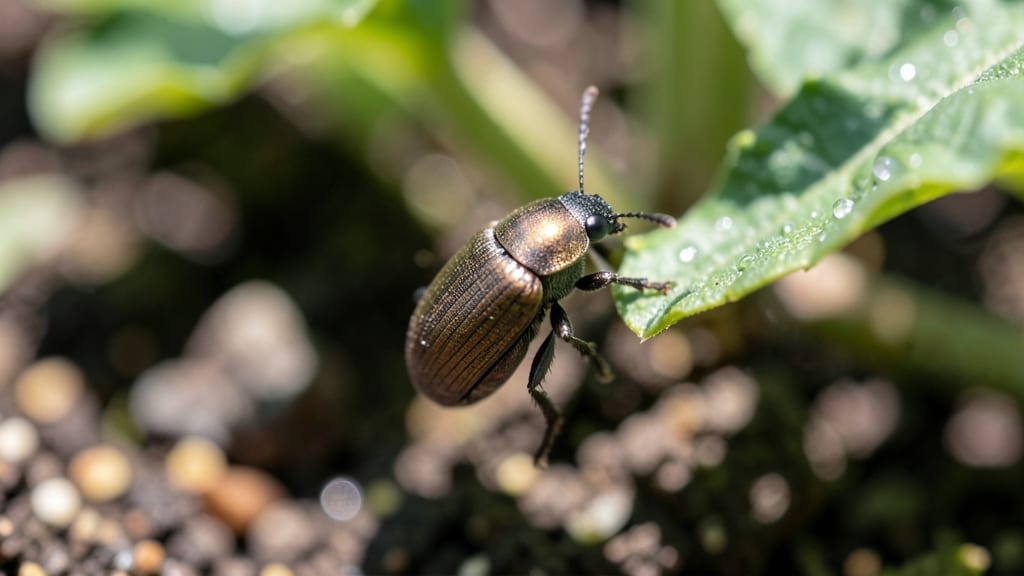
How to get rid of weevils in the garden—your plants went from lush to skeleton leaves overnight, and you need a solution that actually works. The boiling water barrier isn’t just a trick—it’s the one method that stops weevils dead in their tracks when other organic controls fail, smothering larvae before they hatch. Most gardeners waste time on ineffective sprays or nematodes that never reach the soil depth where larvae hide. This technique targets the root of the problem (literally) by creating a 3-inch-deep barrier that kills larvae on contact while protecting your plants. You'll see results within 24 hours—no more chewed stems or wilting foliage. The best part? It's pet-safe, plant-friendly, and works for vine weevils, strawberry weevils, and even those pesky black vine weevils that seem to appear out of nowhere. No harsh chemicals, just science-backed heat treatment that disrupts their life cycle. Works in containers, raised beds, or in-ground gardens—just follow the timing and you'll break the weevil cycle for good. Let's get those plants back to thriving!
The Hidden Triggers Inviting Weevils
Weevils don’t just appear in your garden by chance—they’re drawn by a mix of environmental cues, plant chemistry, and even human habits. Understanding why these tiny pests target your garden is the first step to stopping them.
Below, we break down the science behind their invasion, so you can eliminate the conditions that make your yard a weevil buffet.
Weevils, especially Listronotus bonariensis (the Argentine stem weevil) and Sitophilus oryzae (the rice weevil), are attracted to plants that are stressed, rotting, or already compromised. Their larvae thrive in soft, decaying tissue, making overripe fruits, fallen leaves, and compost piles irresistible.
- Why it happens: Weevils use olfactory cues—chemical signals like ethanol and acetic acid (common in fermenting or rotting organic matter)—to locate food sources. A single overripe tomato or a pile of leaf litter can signal a "safe zone" for weevils to lay eggs.
- Actionable insight: Remove fallen fruit, wilting plants, and dense mulch layers immediately. Weevils can detect decay from up to 3 feet away, so prompt cleanup disrupts their scouting behavior.
- Pro tip: 🌡️ Freeze compost piles or garden waste for 48 hours before adding it to your compost bin—this kills weevil eggs and larvae lurking in the material.
Newly sprouted seedlings and tender shoots are a weevil’s dream because their soft stems are easy to penetrate. Adult weevils chew notches into stems, causing plants to wilt or snap—often before you even notice the damage.
- Why it happens: Weevils target plants with thin cuticles (the plant’s outer protective layer). Young plants haven’t developed the waxy, tough skin of mature ones, making them 10x easier to breach. Additionally, weevils prefer plants with high moisture content, which is common in seedlings.
- Actionable insight: Use row covers or collars made from cardboard around seedlings to block adult weevils. For container plants, elevate them on brick or mesh to prevent weevils from crawling up from the soil.
- Pro tip: 🎯 Hardening off seedlings (gradually exposing them to outdoor conditions) can toughen their stems slightly, making them less appealing to weevils.
Weevil larvae need moist, aerated soil to survive. If your garden has drainage issues or heavy clay, you’re creating the perfect nursery for their offspring.
- Why it happens: Weevil larvae (grubs) require 60–70% soil moisture to develop. Compacted or waterlogged soil traps organic debris, providing both food and shelter. Adult weevils also burrow into soil to lay eggs, preferring loose, easy-to-penetrate dirt.
- Actionable insight:
Issue Solution Compacted soil Add compost or perlite to improve aeration. Avoid walking on garden beds. Poor drainage Amend soil with sand or coconut coir to create air pockets. Raise beds if clay is severe. Excess moisture Water deeply but infrequently to encourage root growth and reduce surface dampness. - Pro tip: ✨ Diatomaceous earth (food-grade) can be sprinkled around plant bases—it dehydrates larvae but won’t harm beneficial soil microbes if kept dry.
If you store grains, seeds, or firewood near your garden, you’re unknowingly creating a weevil highway. Some species, like the granary weevil, will migrate outdoors once they’ve depleted indoor food sources.
- Why it happens: Weevils are polyphagous (they eat almost anything organic). Stored grains release volatile organic compounds (VOCs) like hexanal, which attract weevils from miles away. Once inside your home, they’ll eventually seek out garden soil to lay eggs.
- Actionable insight:
- Store grains in airtight, metal containers (weevils can’t chew through them).
- Keep firewood at least 20 feet from your garden and elevate it off the ground.
- Inspect birdseed and pet food for weevil activity before storing it outdoors.
- Pro tip: 💡 Freeze suspect grains for 4 days to kill any eggs or adults before discarding them.
Weevils are cold-blooded and thrive in warm, protected spots. Greenhouses, south-facing garden beds, and dense mulch create ideal breeding grounds.
- Why it happens: Weevils are most active between 70–90°F. Heat-loving species like the sweetpotato weevil seek out mulched beds or greenhouses, where temperatures stay elevated. Mulch also retains moisture, extending the larvae’s development window.
- Actionable insight:
- Use reflective mulch (like silver plastic) to raise soil temperatures and repel weevils.
- Avoid thick mulch layers (>3 inches) in high-weevil-risk areas.
- Ventilate greenhouses daily to prevent heat buildup.
- Pro tip: 🔥 Neem oil applied in the late afternoon (when weevils are most active) can disrupt their heat-seeking behavior.
Fixing Weevil Infestations Fast
Weevils may seem like a small problem, but their damage to plants—especially root crops like carrots, potatoes, and onions—can be devastating. The good news? With the right approach, you can eliminate weevils and their larvae while protecting your garden for future seasons.
Below, we break down targeted solutions based on the root cause of your infestation, from immediate fixes to long-term prevention.
If you’ve spotted adult weevils crawling in your garden beds or noticed chewed leaves and stems, the larvae are likely hiding underground. A boiling water barrier (as mentioned in the article title) is one of the fastest ways to kill weevil larvae on contact.
How to do it:
- 🔥 Boil 1 gallon of water and mix in 1 tablespoon of dish soap (to break surface tension).
- 👨🍳 Pour the hot water directly into the soil around infested plants, focusing on 1-2 inches deep where larvae burrow.
- 🥘 Repeat every 3-5 days for 2 weeks to ensure all larvae are destroyed.
- ⏰ Best time: Early morning or late evening when weevils are most active.
✨ Pro Tip: For large garden beds, use a hose with hot water (not boiling) to cover more area efficiently.
Weevils thrive in contaminated soil, so if you’ve had repeated infestations, breaking their life cycle is key. Crop rotation and physical barriers can stop them before they lay eggs.
How to do it:
- 🌱 Rotate crops – Avoid planting root vegetables in the same spot for at least 3 years.
- 🛡️ Use row covers – Floating fabric row covers (like Agribon) block adult weevils from laying eggs.
- 🔪 Install copper tape – Weevils avoid copper; wrap it around garden edges or container plant bases.
- 🌡️ Solarize the soil – In hot climates, cover beds with clear plastic for 4-6 weeks to bake out larvae.
💡 Prevention Hack: Plant traps like radishes or mustard greens—weevils prefer them over your veggies, then remove and destroy the plants before they spread.
If you prefer non-toxic methods, beneficial insects and homemade sprays can help control weevils without chemicals.
How to do it:
- 🐞 Introduce predator bugs – Ground beetles, parasitic wasps, and birds eat weevils. Plant dill, fennel, or marigolds to attract them.
- 🍋 Spray with neem oil – Mix 1 tbsp neem oil + 1 tsp dish soap + 1 quart water, then spray on leaves and soil every 5-7 days.
- 🌿 Use diatomaceous earth (DE) – Sprinkle food-grade DE around plants—it dehydrates weevils and larvae on contact (reapply after rain).
- 🥘 Beer trap for adults – Bury a small container filled with beer near plants—weevils are attracted, drown, and die.
⚠️ Warning: Avoid chemical pesticides like carbaryl (Sevin)—they kill beneficial insects too!
If weevils have already damaged your crops, don’t compost the plants—this spreads eggs and larvae. Destroy them immediately to prevent reinfestation.
How to do it:
- 🌱 Pull up affected plants and bag them tightly (weevils can survive in soil for years).
- 🔥 Burn or trash them—do not leave them in the garden or compost pile.
- 🛡️ Sterilize tools – Clean pruners and shovels with rubbing alcohol to avoid spreading eggs.
- 🌡️ Solarize the area – Cover the empty bed with clear plastic for 4-6 weeks to kill remaining larvae.
🎯 Long-Term Fix: After clearing weevils, amend soil with compost to strengthen plant resistance and improve microbial activity, which naturally suppresses pests.
To keep weevils out for good: ✅ Inspect new plants before planting (check under leaves for weevils). ✅ Store harvested crops in mesh bags or containers (weevils can infest stored veggies). ✅ Monitor regularly – Check for new holes in leaves or wilting plants (early signs of weevils). ✅ Encourage biodiversity – A healthy garden ecosystem with predatory insects and birds reduces weevil populations naturally.
By combining heat treatment, barriers, natural predators, and strict plant hygiene, you can eliminate weevils in weeks and protect your garden long-term. 🚀
Frequently asked questions about garden weevils
How do I know if my garden has weevil larvae vs. just adult weevils?
Adult weevils leave chewed notches on stems and leaves, while larvae cause root damage—look for wilting plants or hollowed-out stems. Dig near affected plants: white, legless grubs (½-inch long) confirm larvae. Adults are ¼-inch black beetles with snouts.
Will boiling water harm my plants or beneficial insects?
No, when applied correctly, boiling water targets 1-2 inches deep where larvae hide—it won’t reach roots. Use early morning applications to avoid shocking plants. Beneficial insects (like ladybugs) stay above soil level, so they’re unaffected.
How long does it take for the boiling water method to work?
You’ll see results within 3-5 days as larvae die on contact. For complete eradication, repeat treatments every 3-5 days for 2 weeks—this breaks their life cycle before new eggs hatch. Consistency is key!
Can I use this method in containers or raised beds?
The boiling water barrier works perfectly in containers—just pour the mixture directly into the soil around plant bases. For raised beds, focus on the top 2 inches of soil where larvae concentrate. No drainage issues here!
What if weevils keep coming back after treatment?
Persistent weevils mean hidden eggs or reinfestation. Check for contaminated soil or nearby food sources (like compost piles). Solarize the area with clear plastic for 4-6 weeks, then implement crop rotation and physical barriers like copper tape.