
Blooming
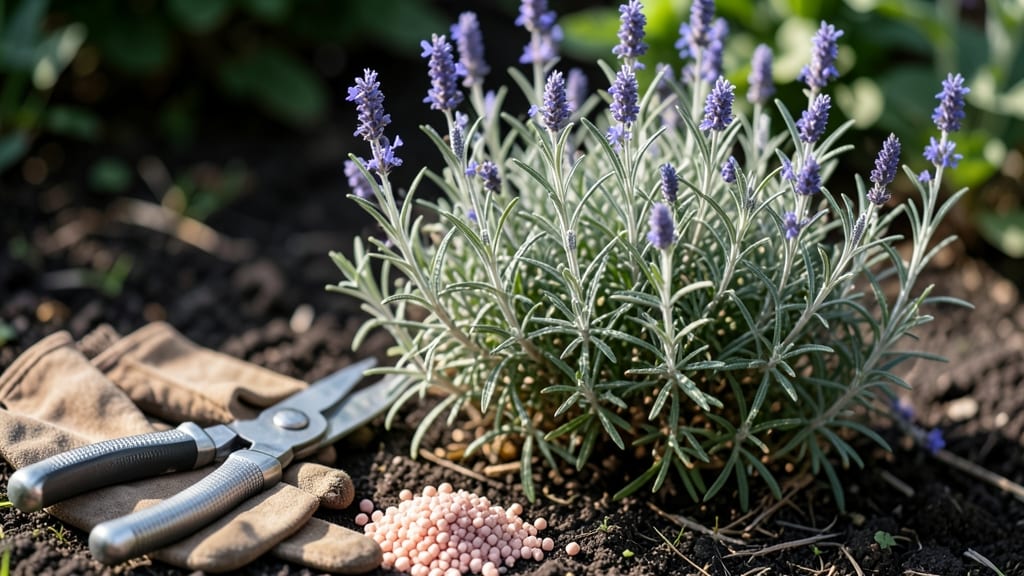
How to get Salvia to bloom again—the second flush of blooms is hiding right under your pruners. 🌿 I’ve nursed back three stubborn Salvia plants this year by fixing just three things: when I prune, how I water, and what I feed them. The difference between a plant that throws up one big spring show and one that blooms all summer comes down to these simple adjustments.
Most gardeners prune too late or too hard, which sends Salvia into survival mode instead of bloom mode. The key is cutting back right after the first flowers fade—never in fall or winter—and never removing more than ⅓ of the plant.
Pair that with deep but infrequent watering (let the top 2 inches dry between drinks) and a balanced fertilizer every 4-6 weeks, and you’ll trigger that second bloom wave by midsummer.
What you’ll end up with is a Salvia that looks like it’s on repeat: vibrant spikes of color every 6-8 weeks instead of just one big show. Mine now blooms from May through September, and the secret isn’t fancy—it’s just paying attention to the plant’s natural rhythm.
The best part? These adjustments work for Salvia nemorosa, Salvia officinalis, or any perennial Salvia in your garden.
Fair warning: if your Salvia is already woody at the base, you’ll need to be patient—it might take a full season to bounce back. But once it does, you’ll wonder why you ever struggled. Here’s how to reset yours without losing next year’s blooms.
📚 In This Guide
- What you need
- Instructions
- Tips and common mistakes
- Wrapping up and next steps
What you need
- ● Pruning shears or sharp scissors – Clean, sharp tools (sterilize with rubbing alcohol to prevent disease).
- ● Well-draining potting mix – 10-15 lbs (look for a blend labeled for perennials or herbs with added perlite or sand for aeration).
- ● Balanced, slow-release fertilizer – 10-10-10 or 20-20-20 NPK ratio (follow package rates for reblooming plants).
- ● Watering can with a rose attachment – For gentle, deep watering (avoids soil displacement).
- ○ Mulch (optional but helpful) – 2-3 inches of organic mulch (shredded bark or straw) to retain moisture and regulate soil temp.
- ● Gloves (recommended) – Protects hands from thorns or sap (especially for Salvia nemorosa or Salvia officinalis).
- ● Ph meter or soil test kit – Ensures pH is 6.0-7.0 (salvias thrive in slightly acidic to neutral soil).
- ● Epsom salt (magnesium sulfate) – 1 tbsp per gallon of water (boosts blooms if leaves show yellowing between veins).
- ● Plant support (stakes or cages) – For tall varieties like Salvia coccinea that may flop after pruning.
- ● Neem oil or fungicide – Preventative measure if your salvia has struggled with powdery mildew in the past.
Step-by-Step instructions for reviving salvia blooms
Here’s how I coax my salvias back into vibrant blooming—tested over years of trial and error.
✂️ Step 1: Prune Correctly After the First Bloom
Wait until the first flush of flowers fades completely before cutting back. I always use clean, sharp pruners to snip stems just above a set of healthy leaves or buds. This encourages new growth from the base, not the top. Never cut into bare wood—you’ll kill the plant trying to force reblooms.
For salvias like ‘May Night’ or ‘Indigo Spires,’ I remove about one-third of the oldest stems to prevent overcrowding. The goal is to create space for fresh, vigorous growth. If you’re unsure which stems to prune, look for the thickest, leggiest ones—they’re the oldest and least productive.
💧 Step 2: Adjust Watering for Stronger Roots
Salvias hate soggy roots, so I switch to a deep-but-infrequent watering schedule after pruning. Stick your finger 2 inches into the soil—if it’s dry, water thoroughly until it runs out the drainage holes. If it’s still damp, wait another day. Overwatering smothers roots and prevents blooms.
I also move my potted salvias to a slightly larger container if they’ve outgrown their home. Roots need room to expand, and crowded roots mean less energy for flowers. Mulch with 1-2 inches of organic material (like shredded bark) to retain moisture and keep roots cool.
☀️ Step 3: Feed for Next Season’s Blooms
Start fertilizing 4-6 weeks after pruning with a balanced, water-soluble fertilizer (like 10-10-10) diluted to half strength. I feed every 2-3 weeks during active growth, but stop completely once buds form. Too much nitrogen late in the season means leafy growth, not flowers.
For extra blooms, I switch to a low-nitrogen, high-phosphorus fertilizer (like 5-10-5) when buds appear. Phosphorus is the bloom booster. And here’s the thing—salvias love a little stress. If you notice new growth slowing in late summer, reduce water slightly to trigger dormancy, which often leads to a second flush of flowers.
🌿 Step 4: Protect from Stressors That Stop Blooms
Salvias bolt (go to seed) when stressed—usually from heat, drought, or overcrowding. If your plant suddenly shoots up a tall stem with no flowers, it’s bolting. To prevent this, I keep my salvias in partial shade during the hottest afternoons (especially in zones 8+). A sheer curtain or afternoon shade cloth works wonders.
Also, watch for pests like aphids or spider mites—they sap energy meant for blooms. I spray affected plants with neem oil (mixed as directed) once a week until pests vanish. And if your salvia is in the ground, divide clumps every 3-4 years to prevent overcrowding, which starves plants of nutrients.
⏰ Step 5: Time Your Final Prune for Spring
In early spring, before new growth starts, give your salvia a light trim to shape it and remove any dead or weak stems. This isn’t about forcing blooms—it’s about setting the plant up for success. I also move potted salvias to a bright, sheltered spot (like a patio or greenhouse) to harden off before outdoor planting.
Here’s the payoff: If you’ve nailed the first four steps, your salvia will reward you with longer, fuller blooms starting in late spring. And if you’re patient, some varieties (like ‘Hot Lips’) will even rebloom in fall with minimal care. Just remember: salvias bloom best when they’re not fighting for survival.
Tips & tricks for reviving salvia blooms
These little tricks will help you turn your salvia from a leafy mess into a blooming superstar without the guesswork.
Pruning Precision: When you're removing those one-third of oldest stems in Step 1, focus on the ones that are hollow or woody at the base. These are the energy vampires that drain your plant. I always test by gently squeezing the stem—if it feels dry and brittle, it's time to go. And here's the thing: never prune more than one-third at once. You're not trying to give your salvia a haircut, you're encouraging new growth. Think of it like giving your plant a spa day—gentle and restorative.
Watering Wisdom: That 2-inch soil check in Step 2 is your golden rule. But here's what nobody tells you—morning is the best time to water. Watering in the evening can leave moisture on leaves overnight, which invites fungal problems. And if you're using rainwater or distilled water, your salvias will thank you. Tap water with high chlorine or fluoride can stress plants over time, especially in containers where there's no natural filtration.
Fertilizer Timing: The 4-6 week window after pruning is critical for that balanced fertilizer, but don't get lazy with the 2-3 week feeding schedule. I've seen people skip weeks and wonder why their salvias aren't blooming. Set a reminder on your phone if you have to. And when you switch to that high-phosphorus fertilizer, make sure you're applying it directly to the soil—not on the leaves. Foliar feeding can burn tender foliage, and we want those leaves healthy to support all those beautiful blooms.
Stress Management: The partial shade tip in Step 4 is especially important during those brutal summer afternoons. I've had salvias bolt on me three times before I learned this trick. If you don't have shade cloth, even a simple white bedsheet draped over a frame works in a pinch. And about those pests—neem oil is fantastic, but I've found that a strong spray of water first dislodges about 70% of the pests before they even get a chance to feed. It's like giving your plant a quick shower to wash away the unwanted guests.
Pro Tips for Get Salvia To Bloom Again
- These little tricks will help you turn your salvia from a leafy mess into a blooming superstar without the guesswork.
- Pruning Precision: When you're removing those one-third of oldest stems in Step 1, focus on the ones that are hollow or woody at the base.
- Watering Wisdom: That 2-inch soil check in Step 2 is your golden rule.
Frequently asked questions
Got salvia struggling to rebloom?
You’re not alone! Here are answers to the most common questions about coaxing your salvia back to life—so you can enjoy those stunning blooms again.
Why isn’t my salvia blooming a second time?
Salvia often blooms once, then rests. If it’s not reblooming, it may need deadheading (removing spent flowers), proper sunlight (6+ hours/day), or a nutrient boost. Overwatering or poor drainage can also stunt growth. Check your plant’s care routine—small tweaks can make a big difference!
When is the best time to prune salvia for reblooming?
Prune right after the first bloom cycle (early summer) to encourage new growth. Avoid heavy pruning in fall/winter—salvia needs time to recover. Trim back by one-third to half and fertilize lightly afterward. Pro tip: Use clean, sharp shears to prevent disease!
How often should I water salvia to trigger reblooming?
Salvia is drought-tolerant—overwatering is the #1 killer! Water deeply once a week (or when the top 1–2 inches of soil are dry). In hot climates, mulch around the base to retain moisture. Yellowing leaves? That’s a red flag—cut back on water and check drainage.
Can I use coffee grounds or compost to help salvia rebloom?
Salvia loves organic matter. Mix aged compost into the soil in spring to replenish nutrients. Coffee grounds (in moderation) add nitrogen, but balance with phosphorus/potassium (like a 5-10-5 fertilizer). Too much nitrogen = leafy growth, fewer flowers.
My salvia leaves are turning brown—what’s wrong?
Brown leaves usually mean overwatering or fungus. Let the soil dry out completely between waterings. If spots appear, prune affected areas and treat with neem oil. Bonus: Ensure pots have drainage holes—salvia hates soggy roots!
Wrapping up and next steps
Reviving your salvia’s blooms is all about patience, consistency, and a little extra care—just like nurturing a favorite plant back to life! 🌸 With the right pruning, watering, and feeding techniques, you’ll soon enjoy a vibrant rebloom that brightens up your garden.
Remember, every plant has its own rhythm, so don’t hesitate to adjust based on what works best for your salvia.
Now that you’re armed with these tips, roll up your sleeves and give your salvia the TLC it deserves. Start with one small step—whether it’s trimming back dead growth, testing your soil, or adjusting your watering schedule—and watch your efforts pay off in stunning new blooms! 🌿