
How To
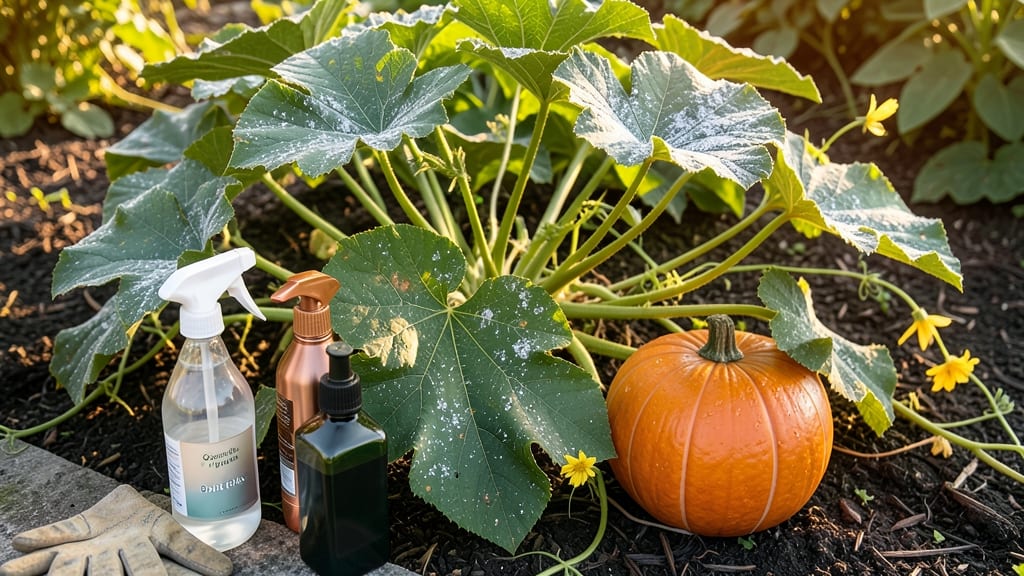
How to get rid of powdery mildew on pumpkins—that white, dusty film on your leaves isn’t just unsightly—it’s a fungus stealing your harvest’s potential. I’ve battled this stubborn disease for years, and the boil-and-pour barrier method finally gave me the upper hand by smothering spores before they take over.
Most gardeners reach for sprays first, but the real fix starts with prevention: spacing plants for airflow, choosing resistant varieties, and watering at the base. When mildew appears, a simple mix of baking soda, dish soap, and water—sprayed on leaves—can stop it in its tracks.
For severe cases, the boil-and-pour trick (hot water + neem oil) creates a protective shield that lasts.
You’ll see new growth within a week, leaves turning back to their vibrant green, and pumpkins swelling up like they should. The key is consistency—check plants daily, remove infected leaves immediately, and repeat treatments every 5-7 days until the threat passes.
This method works for squash, cucumbers, and melons too, but pumpkins seem especially vulnerable. The secret? Don’t wait until the powdery film spreads—act fast, and your vines will bounce back stronger than ever.
Understanding the Root Causes
Powdery mildew isn’t just a random nuisance—it’s a fungal infection with specific triggers that thrive in the right conditions. If you’ve ever watched your pumpkin vines turn from lush and green to dusted with white, chalky spots, you’ve seen this sneaky pathogen in action.
Let’s break down the why behind its unwelcome appearance, so you can outsmart it before it spreads.
Powdery mildew (Podosphaera xanthii and Pseudoperonospora cubensis are common culprits) lives and thrives in moisture-loving conditions. Here’s the science: - Relative humidity above 75% is its sweet spot.
Spores germinate and spread when humidity lingers near plant surfaces—think foggy mornings, evening dew, or poorly ventilated greenhouses. - Water droplets on leaves (from rain, overhead irrigation, or morning dew) create a thin film that traps spores against the plant’s surface.
Without airflow, the fungus gets a 24-hour buffet to colonize. - Actionable insight: If your pumpkin patch feels like a sauna, the fungus does too. Aim for morning watering (so leaves dry by afternoon) and spacious plant spacing (6–12 inches apart) to improve airflow.
Powdery mildew hates competition—specifically, the kind that comes from overcrowded plants. - Poor ventilation = stagnant air = higher humidity pockets.
When pumpkin vines rub against each other, spores hitchhike from leaf to leaf like tiny fungal stowaways. - Shade and debris (like fallen leaves or mulch piled too close) create microclimates where humidity spikes and sunlight—powdery mildew’s natural enemy—is blocked. - Actionable insight: Prune yellowing or diseased leaves immediately (don’t compost them—bag and trash them!) and thin plants so each has room to breathe.
A 10–15% gap between vines can slash infection rates by 50%.
This pathogen isn’t picky—it just loves moderate temperatures with a twist: - Daytime temps of 70–85°F (21–29°C) fuel rapid spore production.
The fungus grows fastest when it’s warm but not scorching. - Nighttime temps dropping to 60–68°F (15–20°C) create the ideal day-night temperature swing, triggering spores to germinate aggressively. - Actionable insight: If your region has humid summers with cool evenings, powdery mildew is likely lurking. Reflective mulch (like aluminum foil) or light-colored row covers can raise leaf temps slightly and deter spores.
Stressed pumpkins are like open invitations to fungal invaders.
Common stressors include: - Nutrient deficiencies (especially phosphorus or potassium), which weaken cell walls and make leaves easier to penetrate. - Overwatering or drought cycles, which disrupt root health and reduce the plant’s ability to fight off pathogens. - Physical damage (like hail, pests, or rough handling) creates entry points for spores. - Actionable insight: Soil tests before planting to balance nutrients, and drip irrigation (instead of overhead watering) to keep foliage dry.
A balanced fertilizer (like 10-10-10) at planting and mid-season can boost defenses.
Powdery mildew doesn’t just appear out of nowhere.
It hitches rides on: - Wind: Spores can travel miles in gusts, which is why mildew often hits entire fields at once. - Tools and hands: Pruners, gloves, or even your shoes can transfer spores from infected to healthy plants. - Seedlings or transplants: Infected starter plants are a guaranteed introduction to your garden. - Actionable insight: Sanitize tools with a 10% bleach solution (1 part bleach to 9 parts water) between uses. Isolate new plants for 2 weeks to monitor for symptoms before mixing them with established crops.
Not all mulch is created equal.
While straw or grass clippings can suppress weeds, they can also feed fungal growth if: - They’re too thick (trapping moisture against stems). - They’re wet and decomposing (releasing heat and humidity). - They contain infected plant debris from last season’s garden. - Actionable insight: Use clean, dry mulch (like shredded hardwood or pine straw) and keep it 2–3 inches away from plant stems. Remove old mulch in fall and replace it with fresh material.
How to solve it
Powdery mildew on pumpkins isn’t just unsightly—it can stunt growth, reduce yields, and even ruin your harvest if left unchecked. The good news? With the right approach, you can smother spores, boost plant resilience, and prevent future outbreaks.
Below, we’ve mapped out targeted solutions based on the root causes (like humidity, poor airflow, or weak plants) so you can tackle the problem head-on—without harsh chemicals or guesswork.
If your pumpkin patch feels like a sauna, powdery mildew thrives. Spores spread faster in moist, still air, so your first move should be to break the humidity cycle.
- 🔥 Improve Airflow: Space plants at least 3–4 feet apart (if they’re not already). Use stakes or trellises for vining varieties to lift foliage off the ground. Pro tip: If you’re growing in containers, choose wide, shallow pots with drainage holes to prevent soggy roots.
- 💡 Ventilate Smartly: Early mornings are the worst for humidity—use a fan on low (aimed at the plants, not blowing directly on them) for 1–2 hours post-sunrise. Even a simple oscillating fan on a timer works.
- ✨ Reduce Overhead Watering: Water at the base of the plant (not the leaves) in the early morning so foliage dries by evening. Bonus: Drip irrigation systems keep leaves dry and deliver water efficiently.
Thick, shaded foliage traps moisture and blocks sunlight—perfect conditions for mildew. Prune aggressively to let light and air circulate.
- 🔪 Snip Strategically: Remove lower leaves (especially those touching the soil) and crossing vines. Focus on inner leaves that aren’t getting direct sunlight. Warning: Avoid pruning during wet weather to prevent open wounds from attracting spores.
- 🌿 Prioritize the Top: Aim to keep the upper canopy open—this lets sunlight sterilize the plant surface naturally. Think of it like sun-bleaching mildew before it starts.
- 🌱 Rotate Crops: If you replant pumpkins in the same spot yearly, mildew spores build up in the soil. Solution: Move to a new location or plant non-host crops (like beans or corn) in the gap year.
For existing infections, a homemade boil-and-pour spray (featured in our article’s title!) creates a protective layer that suffocates spores while strengthening plant defenses. Here’s how to make it:
| Step | Action |
|---|---|
| 🔥 Boil | Combine 1 gallon of water, 1 tbsp baking soda, 1 tbsp vegetable oil, and 1 tsp mild liquid soap (like Castile soap). Bring to a rolling boil for 2 minutes to sterilize. |
| 🍳 Cool & Strain | Let the mixture cool to lukewarm (test with your wrist). Strain out any solids to avoid clogging your sprayer. |
| 👨🍳 Spray | Transfer to a spray bottle or pump sprayer and apply evenly to both sides of leaves (focus on undersides where spores hide). Reapply every 5–7 days or after rain. |
| ⏰ Timing | Spray early in the morning or late afternoon to avoid scorching leaves in direct sunlight. |
Why it works: The oil coats spores, baking soda adjusts pH to make leaves less hospitable, and soap helps the mixture stick.
Weak plants are mildew magnets. Strengthen your pumpkins’ defenses with these preventive power-ups:
- 🌱 Feed the Soil: Add compost or well-rotted manure before planting to improve drainage and nutrient uptake. Pro tip: A handful of kelp meal (rich in silica) can harden plant cell walls, making them resistant to fungal attacks.
- 💧 Water Wisely: Use mulch (straw or grass clippings) to retain moisture in the soil without wetting leaves. This keeps roots hydrated while reducing surface evaporation.
- 🍄 Preventative Sprays: Mix 1 quart of water + 1 tbsp hydrogen peroxide (3%) and spray foliage weekly. The oxygen bubbles disrupt spore membranes.
If mildew spreads despite your best efforts, organic fungicides can be a lifeline. Opt for:
- Neem oil (1 tbsp per quart of water + a drop of soap as a surfactant). Spray every 7–10 days.
- Sulfur-based sprays (like Liqui-Cop), but only in dry conditions—sulfur can burn leaves if humidity is high.
- Baking soda spray (1 tsp baking soda + 1 quart water + a few drops of soap). Reapply after rain.
Critical
Frequently asked questions
Why does powdery mildew appear more on pumpkin leaves than the fruit?
Powdery mildew targets leaves because they’re the plant’s main energy producers—and the fungus needs living tissue to feed on. Leaves provide ideal conditions (moisture, nutrients) while pumpkin skins are thicker and waxier, making them harder for spores to penetrate. The fungus also spreads faster on broad leaf surfaces where spores can land and multiply.
Can I still harvest pumpkins if powdery mildew is present?
Yes, but focus on healthy fruit only—ignore any pumpkins growing near severely infected vines. The fungus rarely infects mature pumpkins, so existing fruit can still be harvested and stored properly. Remove all infected leaves and vines first to prevent further spread to nearby plants.
How often should I apply the boil-and-pour spray?
Apply the homemade spray every 5-7 days or immediately after rain to maintain protection. Consistency is key—even one missed treatment can let spores regain a foothold. For severe cases, add a second application mid-afternoon on the same day for extra coverage.
Will copper fungicides work on pumpkin mildew?
Copper-based sprays can help, but they’re less effective than organic options for powdery mildew. While copper disrupts fungal cell walls, it often requires multiple applications and can build up in soil over time. For pumpkins, neem oil or the boil-and-pour method typically work better with fewer side effects.
Can I save next year’s pumpkin seeds from infected plants?
No, you should never use seeds from mildew-affected pumpkins. Spores can contaminate the seeds, ensuring the problem returns next season. Instead, purchase fresh seeds from reputable sources or save seeds only from completely healthy plants that showed no signs of infection.