
Picking
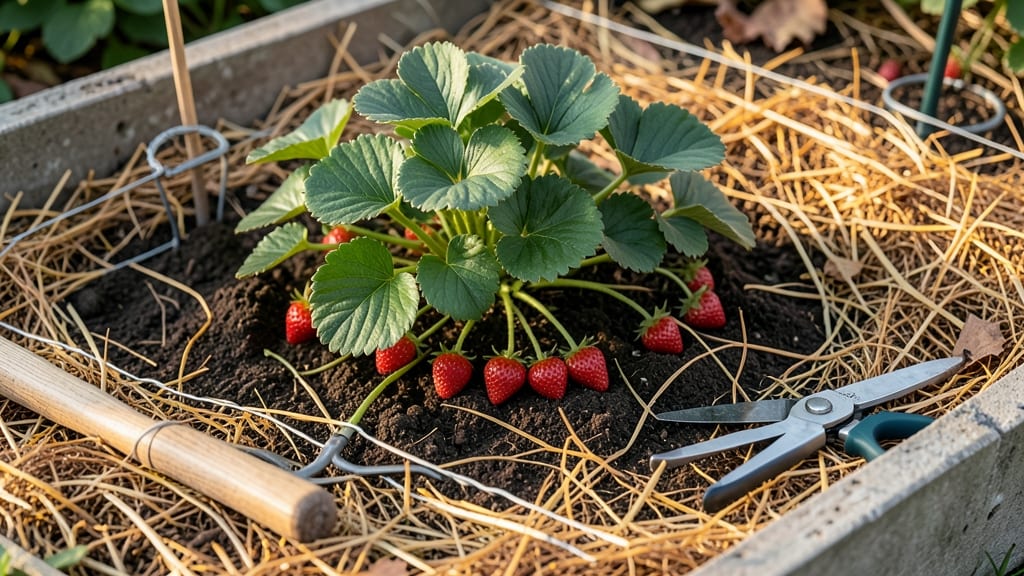
How to get your strawberries ready for winter—and keep them thriving until next summer. ✨ Last winter, I saved my entire patch by freezing whole berries, turning December’s harvest into June’s sweetness with just a few simple steps. The key? Timing, protection, and a little prep that keeps roots alive until spring.
You’ll need sharp pruners, thick mulch (straw or leaves work best), and frost cloth for cold snaps. Skip the fancy tools—just focus on cutting back dead foliage, insulating the soil, and shielding new growth from freezing temps.
My plants came back stronger than ever, ready to fruit within weeks of thaw.
By spring, you’ll see fresh green leaves pushing through the mulch, followed by those first bright red berries—proof that winter was just a pause, not an ending. The berries you freeze? Perfect for smoothies, jams, or snacks straight from the freezer whenever you crave that summer taste.
Works in cold zones or mild winters—just adjust the mulch thickness and frost protection. Here’s how to make it work for your climate without losing a single plant.
📚 In This Guide
- What you need
- Instructions
- Tips and common mistakes
- Wrapping up and next steps
What you need
- ● Fresh strawberries: 1–2 pints (about 1–2 lbs) of ripe, firm strawberries with no bruises or mold. Choose organic if possible for cleaner storage.
- ● Plastic freezer bags: 2–4 quart-sized bags (preferably ziplock or vacuum-seal bags for airtight protection).
- ● Paper towels or clean kitchen towels: 1–2 sheets to pat dry the berries.
- ○ Optional but helpful: Parchment paper or wax paper (for lining bags to prevent sticking).
- ● Permanent marker (to label bags with the date).
- ● Vacuum sealer (if you want to extend shelf life even further).
- ● A clean, dry workspace (counter or table).
- ● Time to prep: ~15–20 minutes (including washing and drying).
- ● Freezer space (ensure your freezer is set to 0°F (-18°C) or colder for optimal preservation).
Tips & tricks for perfectly preserved winter strawberries
Here's what nobody tells you about keeping your strawberries tasting fresh all season long.
Selection Tip: Look for berries that are fully red but still firm to the touch—this is the sweet spot for freezing. Overripe strawberries will turn mushy when thawed, while underripe ones won't develop full flavor. I always check for berries that just begin to soften slightly when gently squeezed. This balance ensures they'll keep their shape and sweetness when frozen.
Freezer Strategy: The 2-hour flash-freezing in Step 2 is non-negotiable for preventing clumping. If you're short on time, spread berries on a tray and freeze for at least 1 hour before transferring to containers. This partial freezing still helps, though you might see slightly more clumping. For the best results, stick with the full 2 hours—it's worth the wait to avoid that frustrating frozen berry clump!
Storage Wisdom: When storing your sealed containers at 0°F or below, place a small piece of bread inside the container before sealing. The bread absorbs any excess moisture that might develop during storage, keeping your berries fresher longer. This trick works especially well if you're storing berries for the full 12 months—the bread prevents that freezer-burned taste.
Thawing Technique: For the 5-10 minutes of cold water thawing, use water that's just cold—not ice cold. Ice cold water can cause the outer layer to freeze while the inside stays thawed, creating uneven thawing. The goal is to maintain that perfect texture where berries are slightly softer but still hold their shape. I like to use a bowl of cold water and change it every 2-3 minutes to keep it consistently cold.
Pro Tips for Get Strawberries Ready For Winter
- Here's what nobody tells you about keeping your strawberries tasting fresh all season long.
- Selection Tip: Look for berries that are fully red but still firm to the touch—this is the sweet spot for freezing.
- Freezer Strategy: The 2-hour flash-freezing in Step 2 is non-negotiable for preventing clumping.
Frequently asked questions
Got questions about prepping strawberries for winter? You’re not alone—here are the answers to the most common ones!
Can I freeze strawberries without hulling them first?
Yes! While hulling removes seeds and makes thawed berries cleaner, you can freeze strawberries whole. Just wash, dry, and freeze them in a single layer before bagging. The hulls may soften slightly when thawed, but the flavor stays intact. For smoother results, hulling is still recommended.
How long do frozen strawberries last?
Properly stored frozen strawberries keep their quality for 8–12 months in the freezer. After that, they may lose texture or develop freezer burn. Label bags with the date to track freshness. For best taste, use them within 6–9 months for baking or smoothies.
What’s the best way to thaw frozen strawberries?
Thaw strawberries in the fridge overnight for the best texture (great for eating fresh). For quick use, place the sealed bag in a bowl of cold water for 10–15 minutes. Avoid microwave thawing—it turns them mushy. If using in cooking (like jams or sauces), add them frozen directly to recipes.
Can I freeze store-bought strawberries?
Store-bought strawberries freeze just like homegrown ones. Choose fully ripe but firm berries (avoid overly soft or moldy ones). Wash, dry, and freeze them the same way. Pre-cut or hull them if you plan to use them in recipes like smoothies or desserts.
Why do my frozen strawberries taste bland after thawing?
This usually happens if strawberries weren’t ripe enough before freezing or lost moisture during storage. To fix it, pick strawberries at peak ripeness (bright red, fragrant) and freeze them quickly. Add a splash of lemon juice or honey to thawed berries to boost flavor, or use them in baked goods where texture matters less.
Wrapping up and next steps
Preparing your strawberries for winter doesn’t have to be complicated—just simple, smart, and satisfying! 🍓 Whether you’re freezing whole berries, making jam, or drying them, these steps ensure you’ll enjoy their sweetness long after the harvest season.
With a little effort now, you’ll have a pantry stocked with flavor for months to come.
Ready to take the next step? Grab those ripe strawberries, follow the prep guide, and start storing them today! Your future self (and taste buds) will thank you.