
Flowers
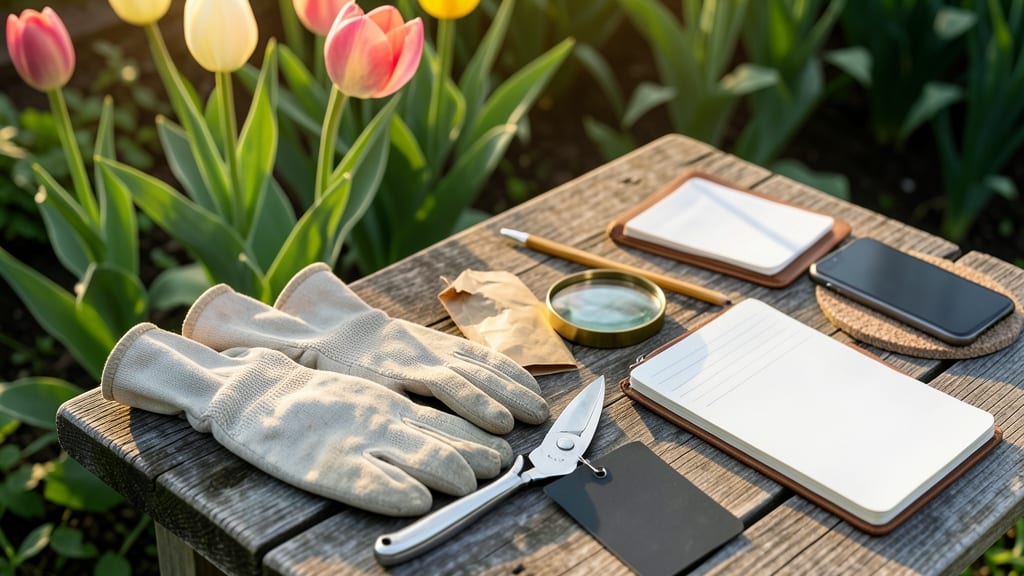
How to get tulip seeds from flowers reveals a hidden magic: those spent blooms can grow into next year’s garden. 🌱 The process is simple but requires patience—tulips need time to mature their seeds, and germination isn’t instant. Start by letting the flowers fade naturally on the stem; cutting them too soon means no seeds to collect.
Once the petals drop, you’ll spot small green pods forming where the flower once was. These are your tulip seeds, but they won’t be ready for months—wait until the pods turn brown and papery before harvesting.
Inside, you’ll find tiny black seeds that look nothing like the vibrant blooms they’ll produce someday.
After drying the pods indoors for a week, crack them open to release the seeds. Store them in a cool, dry place until spring, but here’s the catch: tulip seeds need stratification—a cold period—to break dormancy.
Plant them shallowly in pots or directly in the garden after a frost, and be prepared for a 2-3 year wait before blooms appear.
Don’t expect perfection—many seeds won’t sprout, and the first flowers may be smaller than their parents. But the thrill of growing a tulip from seed, watching it mature into a bold, unexpected bloom, makes every step worthwhile. Start small, and let nature take its time.
📚 In This Guide
- What you need
- Instructions
- Tips and common mistakes
- Wrapping up and next steps
What you need
- ● Mature tulip bulbs – Choose healthy, botanical (not hybrid) tulips (e.g., Tulipa gesneriana varieties like ‘Darwin Hybrid’ or ‘Fosteriana’). Avoid double-flowered or triple-flowered types—they rarely produce viable seeds.
- ● Scissors or pruning shears – Sharp, clean pair to snip seed pods without crushing them.
- ● Paper bags or breathable mesh bags – 2–3 bags (1–2 ft in size) for drying seeds. Opt for brown paper or unbleached cotton mesh to allow airflow.
- ● Labeling tags or masking tape + marker – To mark seed varieties and harvest dates.
- ● Small plastic containers or resealable bags – For long-term storage (quart-sized or smaller).
- ○ Fine-mesh strainer or sieve – To separate seeds from chaff (optional but helpful).
- ○ Desiccant packets (silica gel) – 1–2 packets for storage to prevent mold (optional but recommended).
- ● Garden journal – To track seed viability, germination rates, and notes on parent plants.
- ● Humidity indicator cards – To monitor storage conditions (ideal: <50% humidity).
- ● Fine-tip paintbrush – For gently separating stubborn seeds from pods.
- ● Freezer-safe containers – If storing seeds in the fridge/freezer for stratification.
Step-by-Step instructions for harvesting tulip seeds
Here’s how I collect, dry, and store tulip seeds to grow fresh blooms next season.
🌿 Step 1: Select and Leave Spent Blooms on the Stem
After your tulips finish flowering, resist the urge to cut or deadhead them. Instead, leave the dried seed pods intact on the stem until they turn a papery brown color—this usually takes 6-8 weeks after blooming. The pods will swell slightly and develop a rough texture as they mature.
I always mark the stems with a small piece of twine so I remember which ones to leave for seeds. If you cut the stems too soon, the pods won’t fully develop. Patience here ensures viable seeds for next year’s garden.
🌱 Step 2: Harvest and Dry the Seed Pods
Once the pods are completely dry and brown, gently twist or cut them from the stem. Place them in a paper bag (not plastic—it traps moisture) and store in a cool, dry, well-ventilated spot for 2-4 weeks. This extra drying step prevents mold and ensures the seeds stay viable.
I like to check the pods weekly by gently squeezing one. If it crumbles easily, the seeds are ready. If it’s still firm, give it another week. Over-drying can damage seeds, but under-drying risks mold—so aim for that perfect crumbly texture.
✂️ Step 3: Extract and Clean the Seeds
Open the dried pods carefully—some tulip varieties have tough shells. I use a small knife or my fingers to pry them apart, then tap the pods over a clean sheet of paper to release the seeds. Tulip seeds are tiny, so I sift through the debris with a fine mesh strainer to separate them.
Once cleaned, spread the seeds on a dry paper towel in a single layer and let them air-dry for another 24 hours. This final step removes any lingering moisture that could cause spoilage during storage.
🪴 Step 4: Store Seeds Properly for Long-Term Viability
Transfer the dry seeds into a small envelope or airtight container labeled with the tulip variety and the harvest year. Store them in a cool, dark place—like a refrigerator or seed vault—where temperatures stay between 35-40°F. Properly stored, tulip seeds can remain viable for 2-3 years, though germination rates drop after the first year.
I always include a tiny moisture packet in the container to absorb any accidental dampness. Tulip seeds are sensitive to humidity, so keeping them bone-dry is key to preventing mold or rot.
⏰ Step 5: Stratify Seeds Before Planting (Optional but Recommended)
For best results, stratify the seeds before planting. Place them in a moist paper towel, fold it closed, and refrigerate for 8-12 weeks. This mimics winter conditions and breaks dormancy, significantly improving germination rates.
After stratification, sow the seeds ½ inch deep in a well-draining soil mix and keep them in a cool, shaded spot until they sprout. Tulip seedlings are slow to germinate—often taking 4-6 weeks—so don’t rush the process. Patience pays off with stronger, healthier plants.
Tips & tricks for perfect tulip seed harvesting
These insider tricks will help you maximize your tulip seed yield without the common pitfalls.
Patience Pays Off: In Step 1, those 6-8 weeks until the pods turn papery brown might feel long, but rushing this process is the #1 reason seeds fail to develop. I've learned the hard way—if you cut too soon, you'll end up with undeveloped pods. Mark your stems with twine right after blooming to avoid accidentally trimming them.
The Crumble Test: During Step 2's 2-4 week drying period, use this simple trick: gently squeeze a pod weekly. If it crumbles easily between your fingers, the seeds inside are ready. If it feels firm, give it another week. This visual cue saves you from over-drying (which damages seeds) or under-drying (which risks mold).
Stratification Shortcut: While the 8-12 week cold stratification in Step 5 is ideal, you can speed things up slightly by using a seed stratification kit that maintains consistent moisture. Just place the moist paper towel with seeds inside and refrigerate. This method still improves germination rates without requiring constant monitoring.
Storage Wisdom: For Step 4's long-term storage, I recommend using small glass jars instead of envelopes—they provide an airtight seal that envelopes can't match. Add a tiny silica gel packet (the kind that comes in shoe boxes) to absorb any moisture that might sneak in. Store the jar in your refrigerator's crisper drawer for that perfect 35-40°F environment.
Pro Tips for Get Tulip Seeds From Flowers
- These insider tricks will help you maximize your tulip seed yield without the common pitfalls.
- Patience Pays Off: In Step 1, those 6-8 weeks until the pods turn papery brown might feel long, but rushing this process is the #1 reason seeds fail to develop.
- The Crumble Test: During Step 2's 2-4 week drying period, use this simple trick: gently squeeze a pod weekly.
Frequently asked questions
Got questions about harvesting tulip seeds? You’re not alone—this process can feel tricky at first! Below, we’ve rounded up the most common questions (and answers) to help you troubleshoot and succeed like a pro.
Can I get seeds from any tulip?
Most garden tulips (the showy hybrids you buy at nurseries) are sterile and won’t produce seeds. For seeds, focus on species tulips (like Tulipa gesneriana or Tulipa tarda) or wild varieties. Look for blooms with bulbils (tiny bulbs) or seed pods instead of just petals!
How long does it take for tulip seeds to mature?
After pollination, tulip seed pods take 6–8 weeks to fully ripen. They’ll start green, then turn brown and papery when ready. Don’t rush it! Harvest too early, and the seeds won’t germinate. Patience is key—think of it as nature’s slow-cooked recipe.
What if my seed pods rot before drying?
Overly humid or rainy weather can cause seed pods to mold or rot. To prevent this:
- Harvest pods when they’re half-dry (brown but still firm) and finish drying indoors.
- Place pods in a paper bag with a rubber band for airflow.
- Avoid plastic containers—they trap moisture.
How do I store tulip seeds for planting?
Store seeds in a cool, dry place (like a sealed envelope in the fridge) for up to 6 months. For best results, stratify them: mix seeds with damp sand, refrigerate for 4–6 weeks, then plant. This mimics winter and boosts germination rates.
Why aren’t my tulip seeds germinating?
Tulip seeds are notoriously slow to sprout—sometimes taking 1–2 years! Common pitfalls:
- Improper storage: Seeds need cold stratification.
- Shallow planting: Bury seeds ½ inch deep in well-draining soil.
- Patience: Don’t dig up “failed” seeds too soon—some need multiple winters.
Wrapping up and next steps
Growing tulips from seeds is a rewarding journey that connects you to nature’s cycle—one that requires patience, care, and a little creativity! 🌱 By following these steps—drying your blooms, extracting seeds, and storing them properly—you’re not just preserving beauty for next season; you’re nurturing the potential for unique, heirloom varieties. Now that you’re equipped with the know-how, why not start small? Try saving seeds from a single tulip this year and watch your garden transform into a vibrant tapestry of new blooms in the future.
Ready to dive deeper? Explore our guide on germinating tulip seeds to learn how to coax those tiny seeds into life—your future garden awaits!