
Size
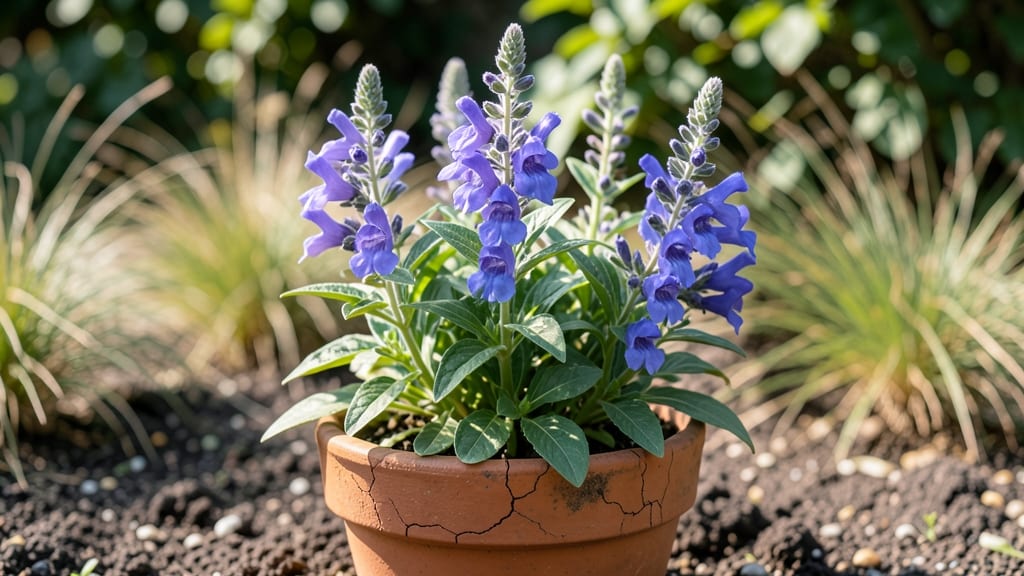
Angelonia’s velvety blooms transform any sunny spot into a pollinator paradise—and they’re shockingly easy to grow. 🌻 I’ve grown them for three summers now, and they’ve never once demanded my attention, yet they always deliver those vibrant purple-blue spikes that last from June through frost.
The secret? They love heat, hate soggy soil, and bloom like crazy when left mostly to their own devices.
Start with seeds or seedlings in well-draining soil, and place them where they’ll get at least 6-8 hours of direct sun daily. Angelonia tolerates poor soil better than most annuals, but they’ll reward you with more blooms if you add a little compost at planting.
Water only when the top inch of soil feels dry—these plants are drought-tolerant once established, so overwatering is the real enemy.
Pinch back the tips when seedlings are 4-6 inches tall to encourage bushier growth, and deadhead spent blooms to keep flowers coming. The plants stay compact (12-24 inches tall) and rarely need staking.
By midsummer, you’ll have a cloud of butterfly-attracting blooms that look like they cost $20 a pot—when they’re actually free from seed.
Perfect for borders, containers, or cutting gardens—they’re the low-maintenance star that never fails. Even my black thumb can’t kill these. Here’s how to get started without stressing over it.
📚 In This Guide
- What you need
- Instructions
- Tips and common mistakes
- Wrapping up and next steps
What you need
- ● Angelonia seeds or seedlings: Choose disease-resistant varieties like 'Angelface' or 'Summer Snap' for best results. Quantity: 10–20 seeds (or 3–5 seedlings for a small garden).
- ● Well-draining potting mix: Use a blend of peat moss, perlite, and compost (ratio: 2:1:1). Quantity: 1–2 bags (1 cubic foot each) for containers or in-ground planting.
- ● Containers or garden bed: Containers: 6–12-inch pots with drainage holes (1–2 plants per pot). Material: Terracotta or plastic.
- ● Garden bed: Full sun (6+ hours daily) with loose, well-draining soil.
- ● Watering can or hose with a gentle nozzle: Avoid overwatering—angelonia hates soggy roots!
- ● Balanced fertilizer (10-10-10 or 20-20-20): Quantity: 1–2 tbsp per plant (dissolved in water) every 4–6 weeks.
- ● Pruning shears: Sharp, clean shears for trimming spent blooms and shaping plants.
- ● Mulch (e.g., straw or pine bark): Helps retain moisture and suppress weeds.
- ● Slow-release fertilizer granules: Reduces frequent feeding.
- ● Garden gloves: Protect your hands from prickly stems.
- ● Stakes or cages: Useful for taller varieties to maintain upright growth.
- ● Seed-starting kit: If sowing indoors (includes trays, heat mats, and grow lights).
Step-by-step instructions for growing angelonia
Angelonia thrives with minimal fuss—just sun, well-drained soil, and occasional pruning.
🌱 Step 1: Choose the Right Location and Prepare the Soil
Angelonia demands full sun—at least 6-8 hours daily—to produce its signature spikes of blooms. I always pick the sunniest spot in my garden because even partial shade leads to leggy, sparse growth. If you're planting in containers, place them where they get unobstructed morning sun and afternoon light.
This plant despises soggy roots, so amend heavy or clay soil with 3-4 inches of compost or organic matter to improve drainage. If you're working with poor soil, mix in 1 part perlite for every 3 parts native soil. The goal is loose, crumbly soil that lets excess water drain freely within 30 minutes of watering.
🌿 Step 2: Plant Seeds or Transplants at the Correct Depth
For seeds, sow them ¼ inch deep in well-warmed soil (at least 60°F) after the last frost date. Angelonia seeds germinate best in consistent warmth, so I use a heat mat if starting indoors. You’ll see sprouts in 10-14 days—but only if the soil stays evenly moist, not soggy.
If you’re planting transplants, dig holes twice as wide as the root ball but no deeper. Gently tease the roots apart if they’re circling, then place the plant so the top of the root ball sits level with the soil surface. Press lightly around the base to eliminate air pockets, then water deeply to settle everything.
💧 Step 3: Water Deeply but Infrequently
Angelonia is famously drought-tolerant once established, but young plants need consistent moisture until roots spread. Water deeply once a week (or when the top 2 inches of soil feel dry), soaking the root zone completely. Avoid shallow watering—it encourages weak roots and fungal issues.
Here’s the trick: Let the soil dry out between waterings. You’ll know it’s time when the leaves start to wrinkle slightly along the edges. Overwatering is the fastest way to kill angelonia—roots rot quickly in compacted, waterlogged soil. If your garden drains poorly, raise plants in elevated containers with extra perlite.
✂️ Step 4: Prune for Bushier Growth and Longer Blooms
Pinch back the top set of leaves when seedlings are 4-6 inches tall to encourage branching. This step is non-negotiable—skipping it results in tall, skinny stems with few blooms. After the first flush of flowers fades, cut back one-third of the plant’s height to stimulate a second round of blooms.
Deadhead spent blooms regularly to prevent seed formation, which drains the plant’s energy. I use clean pruners to snip just above a set of leaves, always cutting at a 45-degree angle to reduce water pooling. Prune in the morning when stems are dry—this minimizes disease risk from splashing water.
☀️ Step 5: Protect from Harsh Conditions and Pests
While angelonia loves heat, it can’t handle prolonged temperatures above 90°F. If your summers are scorching, provide afternoon shade during peak heat waves. Mulch with 2-3 inches of straw or wood chips to keep roots cool and retain moisture.
Watch for aphids or spider mites, which love the plant’s tender new growth. I spray affected areas with neem oil (mixed 1:1 with water) at the first sign of sticky residue or webbing. For severe infestations, repeat every 5-7 days until pests disappear. Healthy angelonia rarely struggles with pests—focus on proper spacing (12-18 inches apart) to improve airflow.
Tips & tricks for growing angelonia like a pro
These insider secrets will help you cultivate angelonia blooms that stand out in any garden—without the fuss.
Sunlight Strategy: Those 6-8 hours of full sun are non-negotiable for vibrant blooms. I've learned the hard way that even morning shade can lead to sparse flowering. If your garden has limited sun, opt for containers that can be moved to follow the sun's path throughout the day. South-facing windowsills work surprisingly well for container-grown angelonia too.
Soil Science: The 3-4 inches of compost and perlite mix isn't just about drainage—it's about creating an airy environment for roots. I like to add a handful of coarse sand to my mix for even better aeration. This prevents that dreaded "soggy roots" scenario that kills angelonia faster than anything else. Think of it as giving your plant's roots room to breathe.
Germination Hack: When starting seeds at 60°F minimum, I've found that covering the seed tray with plastic wrap creates a mini greenhouse effect. This keeps the soil consistently warm and moist, often resulting in sprouts appearing in just 7-10 days instead of the full 10-14 days. Just remember to remove the plastic once sprouts appear to prevent mold.
Pruning Precision: That 45-degree angle when deadheading isn't just for looks—it prevents water from pooling at the cut site, which reduces disease risk. I always use clean, sharp pruners and dip them in rubbing alcohol between cuts. For the one-third height reduction, I mark the spot with a piece of chalk first to ensure an even cut across all stems.
Pro Tips for Grow Angelonia
- These insider secrets will help you cultivate angelonia blooms that stand out in any garden—without the fuss.
- Sunlight Strategy: Those 6-8 hours of full sun are non-negotiable for vibrant blooms.
- Soil Science: The 3-4 inches of compost and perlite mix isn't just about drainage—it's about creating an airy environment for roots.
Frequently asked questions
Got questions about growing angelonia? You’re not alone—this sun-loving plant is easygoing but still has a few quirks! Here are answers to the most common queries to help you grow lush, blooming Angelonia with confidence.
Can angelonia grow in containers or is it only for gardens?
Angelonia thrives in containers—just use pots with drainage holes and well-draining soil. A 12-inch container works well for one plant, and you can even grow them in hanging baskets for a cascading effect. Just ensure they get 6+ hours of sunlight daily and water consistently during dry spells.
How long does it take for angelonia to flower after planting?
With proper care, angelonia typically blooms 8–12 weeks after planting from seeds or transplants. If you start seeds indoors in early spring, you might see flowers as early as mid-summer. Deadheading spent blooms encourages continuous flowering until frost.
What pests or diseases should I watch for with angelonia?
Angelonia is generally pest-resistant, but keep an eye out for aphids, spider mites, or whiteflies, especially in hot, dry conditions. Treat infestations with insecticidal soap or neem oil. Overwatering can lead to root rot, so ensure soil drains well and avoid soggy conditions.
Can I grow angelonia from seeds, or should I buy seedlings?
Both work! Seeds are budget-friendly and fun to grow, but seedlings give you faster blooms (6–8 weeks vs. 10–12 weeks from seed). If starting from seed, sow indoors 8–10 weeks before the last frost. Angelonia also self-seeds easily, so you might spot volunteers in future seasons!
Is angelonia frost-tolerant, or do I need to bring it indoors?
Angelonia is not frost-hardy—it dies in temps below 30°F (-1°C). In colder climates, treat it as an annual or overwinter indoors near a sunny window. In warmer zones, it may return if protected with mulch or a frost cloth. Pinch back stems in fall to encourage bushier regrowth.
Wrapping up and next steps
Growing angelonia is a breeze once you know the basics—sunlight, well-draining soil, and a little patience go a long way! 🌞 With its drought-tolerant nature and vibrant blooms, this plant rewards even the busiest gardeners. Whether you’re a seasoned pro or a beginner, your angelonia will thrive with minimal fuss.
Ready to level up your garden? Grab your seeds or cuttings, pick a sunny spot, and watch your angelonia flourish. Next up: Share your progress with fellow plant lovers or experiment with container gardening for a portable pop of color! 🌸