
Propagation
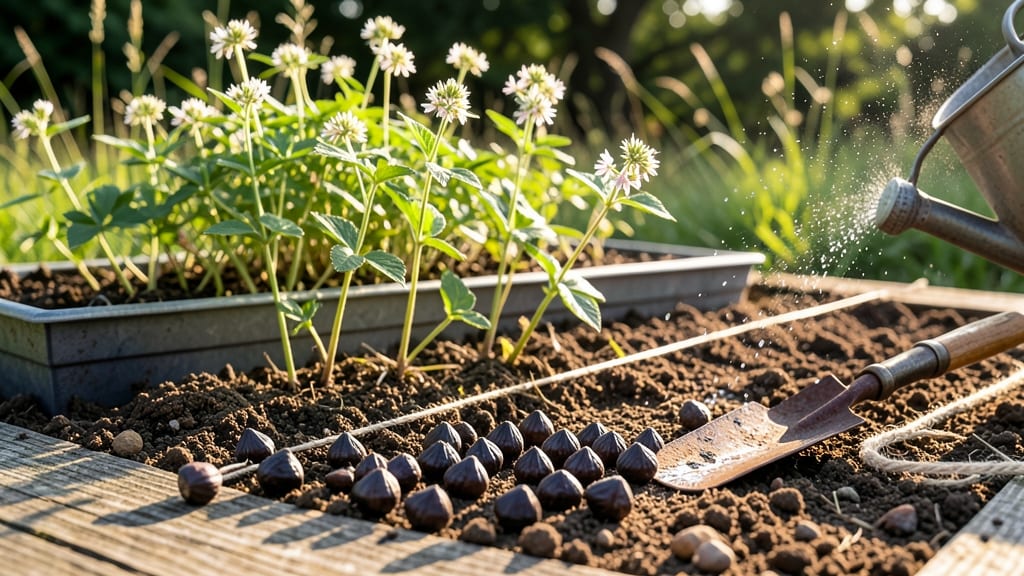
How to grow buckwheat from seed—it’s one of the fastest cover crops around, sprouting in just 3-5 days—far quicker than most alternatives. 🌱 I planted mine after a failed tomato crop last summer, and within a week, the garden was transformed from bare soil to a lush green blanket that outcompeted weeds and improved the soil for next season's planting. The secret to success starts with timing: sow seeds when soil temperatures hit 70°F+, and you'll see those first green leaves within days. Unlike slow-starting clovers or vetch, buckwheat doesn't waste time—it germinates aggressively, grows 3-4 feet tall in just 6-8 weeks, and fixes nitrogen while suppressing weeds. No fancy equipment needed: just a rake, seeds, and a light touch. By midsummer, you'll have a thriving cover crop ready to chop down and till under for organic matter, or let it go to seed for wildlife-friendly forage. The plants even produce tiny triangular grains that birds and quail love—it's like having a multi-purpose green machine in your garden. Troubleshooting is simple: if germination stalls, check moisture (keep soil damp but not soggy) and shade (buckwheat needs full sun). Overcrowding? Thin seedlings to 6-8 inches apart for best results. This cover crop is foolproof for beginners but powerful enough for experienced growers too.
📚 In This Guide
- What you need
- Instructions
- Tips and common mistakes
- Wrapping up and next steps
What you need
- ● Buckwheat seeds: 1–2 lbs (enough for ~20–30 sq ft of planting area). Choose common buckwheat (Fagopyrum esculentum) for grains or tartary buckwheat for hardier varieties.
- ● Garden plot or containers: Direct sowing: Well-drained soil in full sun (6+ hours/day). Test soil pH (ideal: 6.0–7.0).
- ● Containers: 6–12" deep pots with drainage holes (1–2 seeds per pot).
- ● Watering can or hose: With a gentle spray nozzle for even moisture.
- ○ Garden gloves: Optional but helpful for handling seeds and soil.
- ● Compost or balanced fertilizer (5-10-10): Lightly mix 1 cup per 10 sq ft before planting for nutrient boost.
- ● Row marker or sticks: To create neat rows (buckwheat grows fast—marking helps!).
- ● Mulch (straw or grass clippings): After germination to retain moisture.
- ● Harvest scissors or sickle: For clean cutting when mature (or use pruners).
- ● Seedling heat mat (if starting indoors): Buckwheat germinates in 5–7 days at 60–75°F, but a mat speeds it up!
Step-by-step instructions for growing buckwheat from seed
Buckwheat thrives on speed and simplicity—here’s how to harness its rapid growth for a lush summer cover crop.
🌱 Step 1: Prepare the Soil for Fast Germination
Buckwheat loves loose, well-draining soil with a pH between 5.5 and 7.0. Work in 2-3 inches of compost or aged manure into the top 6 inches of soil to improve fertility and drainage. Avoid heavy clay—amend with sand or perlite if needed. The goal is soil that crumbles easily when moist but doesn’t stick to your fingers.
Rake the surface smooth to eliminate clods or debris. Buckwheat’s tiny seeds need contact with soil, not mulch or rocks. Lightly press the soil down to create a firm seedbed—this prevents seeds from washing away during germination. If planting in late summer, ensure the soil temperature is at least 60°F for optimal sprouting.
🌿 Step 2: Sow Seeds at the Right Depth and Spacing
Scatter seeds thinly—buckwheat germinates quickly, and thick planting leads to weak stems. Aim for 30-40 seeds per square foot or about 1 pound of seed per 100 square feet. Plant seeds ¼ inch deep—any deeper delays germination, and buckwheat won’t tolerate being buried too deeply.
Use a broadcast spreader for even coverage, then lightly rake the soil to cover seeds without burying them. Water gently but thoroughly to settle seeds into the soil. You’ll see first sprouts in 3-7 days—this speed is buckwheat’s signature trait. Avoid walking on the bed until seedlings reach 2 inches tall to prevent crushing emerging plants.
☀️ Step 3: Provide Optimal Sun and Water for Rapid Growth
Buckwheat demands full sun (6-8 hours daily) to reach its full potential. Plant in a location with no afternoon shade—partial shade slows growth and reduces seed production. If your climate is hot and dry, mulch with straw or grass clippings to retain moisture, but keep mulch 1 inch away from stems to prevent rot.
Water deeply 2-3 times per week during dry spells, aiming for 1 inch of water per week. You’ll know moisture is right when the top inch of soil feels damp but not soggy. Overwatering causes fungal issues, while underwatering stunts growth. Buckwheat’s fast growth (3-4 feet tall in 6-8 weeks) means it outcompetes weeds naturally—just stay vigilant in the first two weeks.
✂️ Step 4: Manage Growth and Harvest for Maximum Benefit
Buckwheat matures quickly, so monitor its progress. Mow or cut back plants when they reach 4-5 feet tall to prevent seed formation if you’re using it as a cover crop. This encourages regrowth and adds more biomass to the soil. If growing for grain, let some plants flower and seed—harvest when seeds turn golden-brown (usually 8-10 weeks after planting).
To incorporate buckwheat into the soil, mow it down before it seeds, then till or chop it into the top 4-6 inches of soil. This releases nutrients and organic matter. For grain harvest, cut entire plants, bundle them, and hang upside down in a dry, well-ventilated area to thresh seeds later. Buckwheat’s aggressive growth makes it ideal for suppressing weeds and improving soil health—just don’t let it go to seed unless you want a volunteer crop next year.
Tips & tricks for growing buckwheat from seed
Buckwheat’s lightning-fast growth makes it a gardener’s secret weapon—here’s how to maximize its potential without the common pitfalls.
Soil Prep Secret: Don’t just amend the soil—test its pH first. If your soil runs acidic (below 5.5), sprinkle dolomitic lime into the top 6 inches and till it in 2-3 weeks before planting. The goal is that neutral sweet spot (5.5-7.0) where buckwheat’s roots can access nutrients efficiently. I’ve seen plants double in size overnight when soil conditions are just right.
Timing Secret: Those 3-7 days to first sprouts can stretch to 10-14 days if soil temperatures dip below 60°F. For late-summer plantings, use a soil thermometer to confirm warmth before sowing. If your soil is cool, opt for a black plastic mulch sheet (lay it down 24 hours before planting) to absorb heat and speed up germination.
Sunlight Strategy: The 6-8 hours of full sun requirement isn’t just about growth—it’s about preventing disease. Buckwheat’s rapid canopy formation blocks sunlight from fungal spores on the soil surface. If you’re planting in a partially shaded area, interplant with fast-growing radishes or lettuce that won’t compete for light but will help suppress weeds during the critical first two weeks.
Watering Wisdom: The 1 inch per week guideline works for most climates, but buckwheat’s shallow roots mean consistency matters more than quantity. I’ve found that morning watering (before 10 AM) prevents fungal issues by allowing foliage to dry completely. If you notice yellowing leaves, it’s often a sign of overwatering—buckwheat’s roots prefer dampness, not sogginess.
Pro Tips for Grow Buckwheat From Seed
- Buckwheat’s lightning-fast growth makes it a gardener’s secret weapon—here’s how to maximize its potential without the common pitfalls.
- Soil Prep Secret: Don’t just amend the soil—test its pH first.
- Timing Secret: Those 3-7 days to first sprouts can stretch to 10-14 days if soil temperatures dip below 60°F.
Frequently asked questions
Got questions about growing buckwheat from seed?
You’re not alone! Here are answers to the most common queries to help you cultivate this fast-growing, nutrient-packed cover crop with confidence.
How long does buckwheat take to grow from seed?
Buckwheat is a speedy grower! From seed to harvest, it typically takes 8–12 weeks, depending on your climate and variety. If planted as a cover crop, it reaches maturity (ready for mowing or tilling) in just 4–6 weeks. The key is to plant it early in warm weather for maximum growth.
Can buckwheat survive frost?
Nope—buckwheat is a warm-season crop and cannot tolerate frost. Plant seeds only after the soil temperature reaches at least 50°F (10°C), and avoid planting too early in spring. If frost threatens after germination, cover young seedlings with row fabric until temperatures rise.
What can I plant after buckwheat?
Buckwheat is a fantastic cover crop that improves soil health, so it’s great before almost any crop! Ideal follow-ups include:
- Vegetables: Tomatoes, peppers, squash, or leafy greens
- Grains: Corn, soybeans, or wheat
- Fruits: Berries or melons
Why aren’t my buckwheat seeds germinating?
Buckwheat seeds need warmth and moisture to sprout. Common issues include:
- Cold soil: Wait until soil temps are consistently above 50°F (10°C).
- Dry conditions: Keep soil evenly moist (not soggy) until germination.
- Old seeds: Store seeds in a cool, dry place—they lose viability after 2–3 years.
- Poor soil contact: Press seeds lightly into soil (¼ inch deep) for best results.
Can I eat buckwheat grown from seed?
While buckwheat is often grown as a cover crop, its seeds, leaves, and flowers are edible. The grain is a gluten-free superfood (despite the name!) used in groats, noodles, and flour. Young leaves can be cooked like spinach, and flowers attract pollinators. Just ensure no pesticides were used if harvesting for food.
Wrapping up and next steps
Growing buckwheat from seed is a rewarding and fast process—perfect for beginners and seasoned gardeners alike! 🌱 With its quick germination, nutrient-rich greens, and versatility, this cover crop is a game-changer for soil health and summer harvests.
Whether you're aiming for a gluten-free grain, a lush forage crop, or a vibrant pollinator magnet, buckwheat delivers.
Now that you’re armed with the know-how, roll up your sleeves and plant those seeds! Start small in a container or dedicate a patch of your garden—your soil (and taste buds) will thank you. Happy growing! 🌿